Every year on the Saturday before Thanksgiving, the extended Rahn family gathers with friends, significant others, and a random acquaintance or two around a massive cast-iron kettle watching cane juice boil into syrup. Mike Rahn, head of the family and longtime fixture at the Bluff, hauls up a huge pull-behind grill (it can hold 60 chicken halves), everyone brings a dish, and the party kicks off a week of cooking, eating, visiting, and celebrating, capped by Thanksgiving and lots of college football.
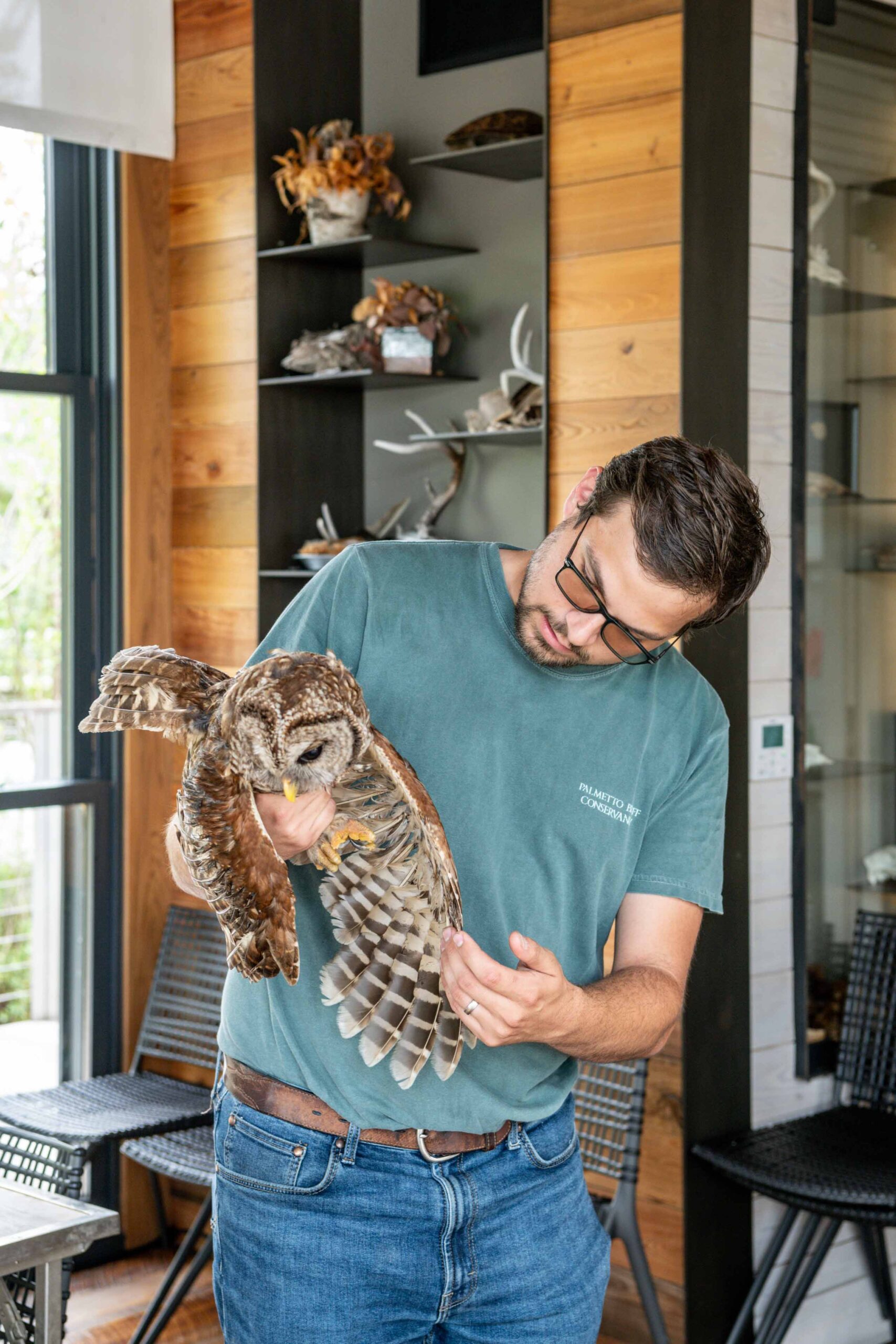
After a bit of persuading, Mike’s son, Palmetto Bluff Conservancy Land Technician Shane Rahn, explained the nuances of this age-old family tradition and the technicalities of their old-world method. “My granddaddy started it more than 75 years ago,” Shane says. “They shared the boiler shed with another family back then, but about 18 years ago, my dad, uncle, and granddaddy built our family’s boiler shed.”
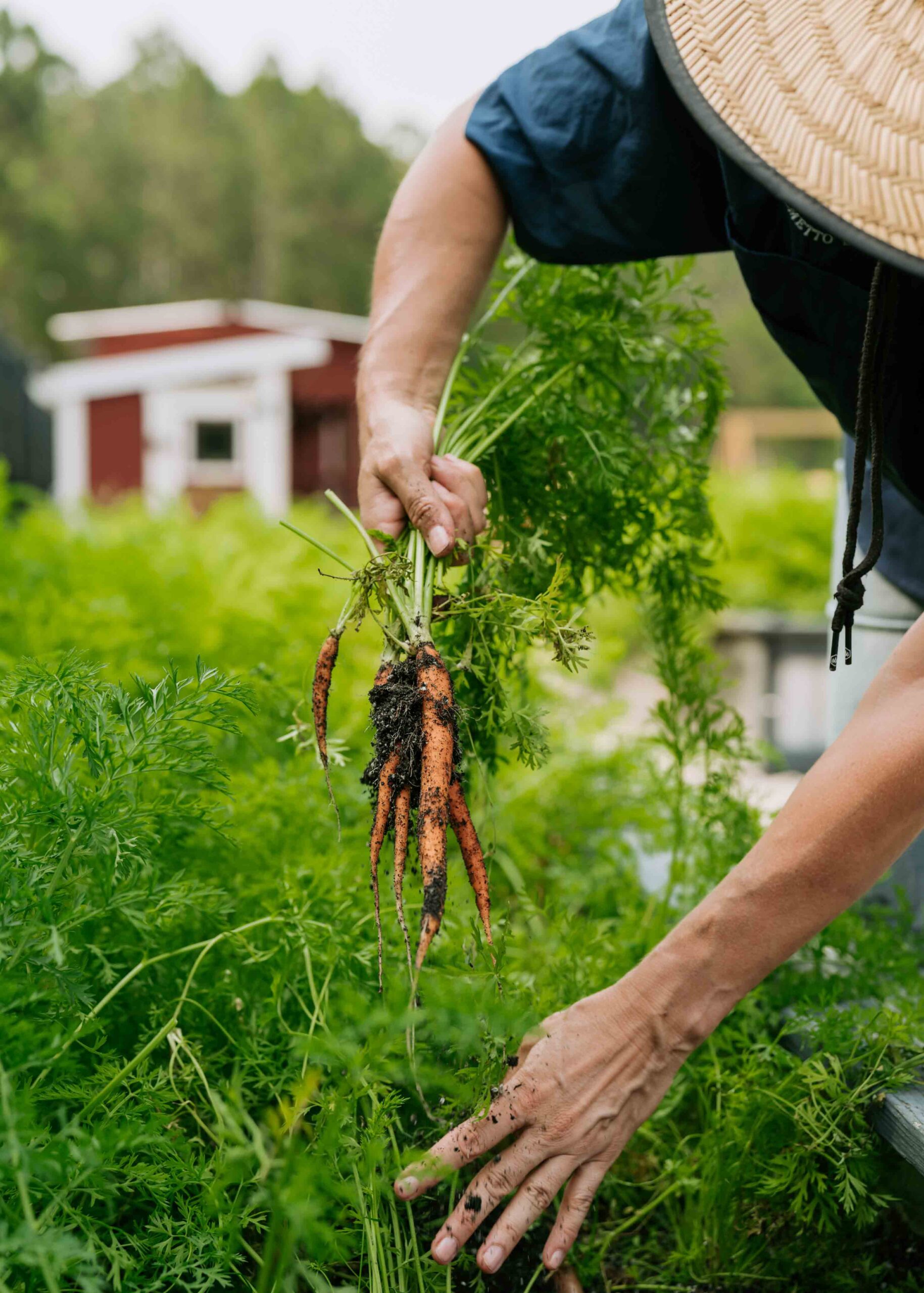
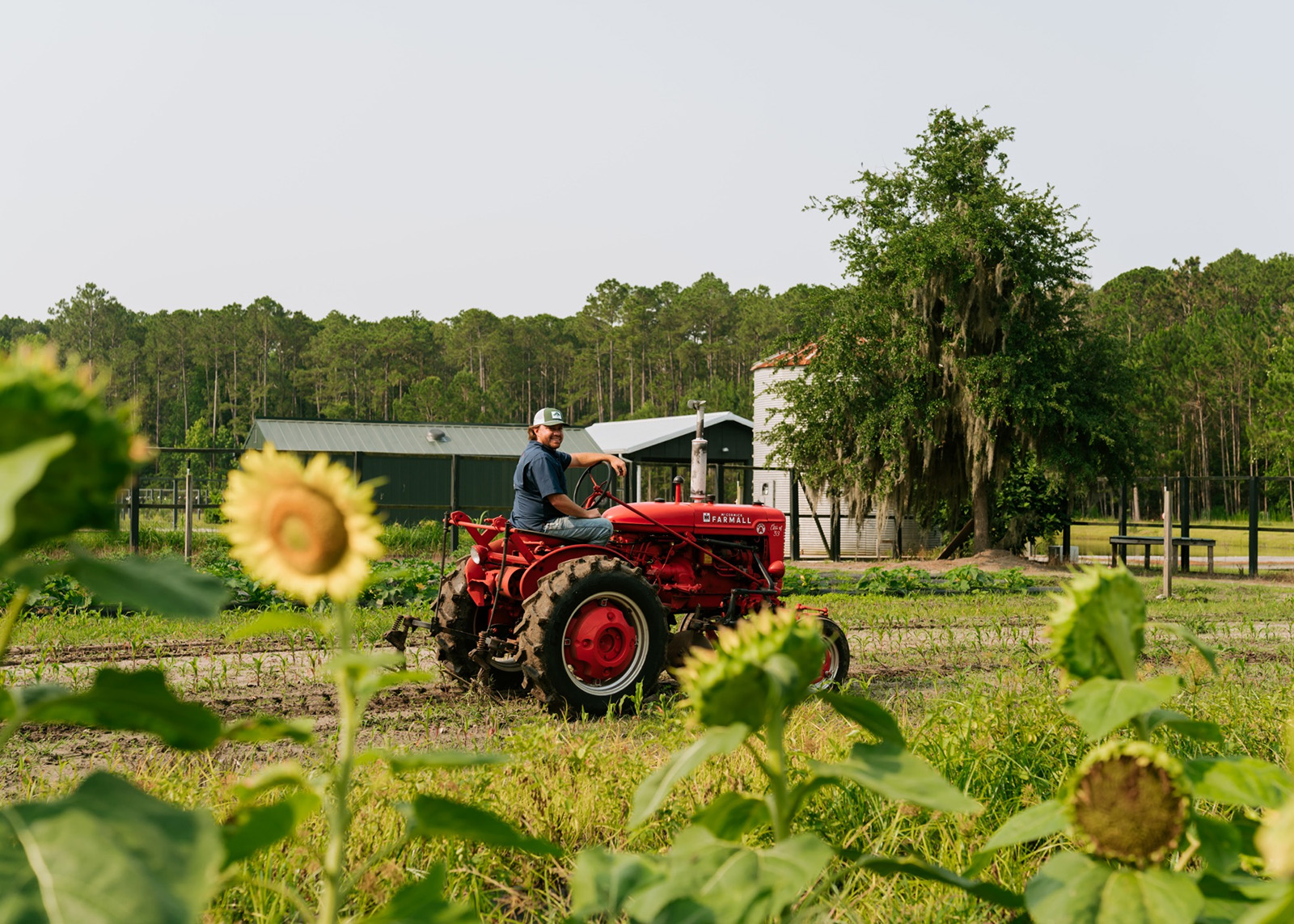
The Rahns grow their own sugarcane. It is planted a year in advance and usually harvested around Thanksgiving when the cane is at its sugariest—before the first frost, which can ruin the crop. Early in the morning on the day of the boil, the family cuts the cane with special knives made for the task, selecting the best stalks and shucking them in the field.
The stalks are then squeezed through a roller mill to extract the juice. “When Granddaddy started making cane syrup, the mills were powered by donkeys or horses,” Shane explains. “When we built our boiler shed, my family rigged a truck engine to run the mill instead.” They calculated the perfect gear ratio and torque required to pull the stalks through the mill at the right speed.
The extracted juice runs through a bed of pine straw and hay to filter the larger bits of debris. Then it is pumped into a tank on the back of a tractor to be taken to the boiler shed and dumped into the kettle. I haven’t personally seen the kettle, but I’ll take it from Jack Hitt of Garden & Gun when he says, “There is no good English word for the simple beauty of this stunning object. It is pure cast iron and shaped like an outsized cereal bowl. You could wash a couple of children in this thing or use it as a birdbath for pterodactyls.”
The first boil takes about four and a half hours. “The pot’s gotta get warm,” Shane explains. Once the juice begins to cook, the boil brings frothy suds to the surface that must be skimmed away. Constantly. For hours. At this point, everyone starts to be thankful for Mike’s grill and the bounty of BBQ chicken. Make no mistake though, this process is a science. The wood must be pine not oak. If the fire is too hot, the syrup will burn. Too low, the bubbles won’t rise and bring the foam to the top. If it’s pulled too early, the pot will crack. There are always a few people who really know what they’re doing and enough amateurs to share the tasks. As Shane says, “The pot keeps cookin’ and cookin’.” The syrup gets skimmed, the fire gets tended, beers get cracked, and the day winds on. Until it’s time to get the syrup off the boiler before it scorches.
When the bubbles turn copper and the syrup starts to thicken, the experts of the family test the syrup with a hydrometer that measures the density on a scale of one to 100. The sweet spot is right around 32 or 33. Once it hits the right thickness, the syrup gets scooped out into washtubs and filtered one last time before being bottled. The second pot only takes about two hours. Yes, they boil a second pot. At the end of the day, 60 gallons of juice produce about six gallons of syrup. Two boils get them around 12 gallons to share between everyone.
As with most family get-togethers, something always goes wrong. One year, Mike forgot the chicken (heaven forbid). Another time, Shane dropped a pump into the tank of cane juice and had to fish it out. Something gets stuck. Someone grumbles about white cane versus red cane and which is better. Shane doesn’t even particularly like cane syrup, as he somewhat reluctantly admits, but he is proud that he gets to make it with his family. “A lot of people say it’s the best they’ve ever tasted.” The Rahns cherish this tradition. Everyone gets fed and goes home with a jug of pure, homemade cane syrup. Throughout the year, it gets put on anything and everything from grits to caramelized bacon.
Sadly, this tradition is dying out. Even in a world where organic, farm-to-table food is reaching peak popularity, it’s a complicated, time-consuming process that requires the kind of care, preparation, and attention that is hard to come by today. These days, if someone is growing and processing cane, they’re typically doing it for profit. The Rahns just do it for fun.