The Palmetto Bluff Conservancy continues to host many educational events throughout the year. From Brown Bag Lunches to First Friday Lectures, the Conservancy team never runs out of new topics to tackle. Explore PBC is a series of outdoor events to teach members and guests about the wonders of the landscape of Palmetto Bluff. During Explore PBC: Cemetery Loop, members and guests hiked through the woods of Palmetto Bluff along a path named Cemetery Loop that dates back to the Union Camp days of the Bluff. Throughout this hike, guests learned about four distinctive plants of the Lowcountry.
Eastern Red Cedar
The Eastern Red Cedar (Juniperus virginiana) is a mid-story tree that typically grows 20 to 30 feet. You will often find cedars near bodies of water as they need a lot of it to grow. Cedars are very versatile and are used for a variety of things. Native Americans would use the berries of the tree to supplement their food. They would also boil down the leaves and use the concoction as a medicine for common illnesses such as colds, aches, and fevers. The lumber from the cedar tree is sturdy and can be used in several ways, most commonly fence posts. The bark shavings also make great kindling for a fire as well as nesting material for birds and squirrels. In more modern times, the berries from a cedar tree are used to make gin.
Mockernut Hickory
The Mockernut Hickory (Carya tomentosa) is an extremely long-lived tree, sometimes aging up to 500 years old. It is also a very large tree and can grow up to 100 feet tall. The Mockernut Hickory can easily be identified by a few of its characteristics. Most prominent is the Mockernut Hickory’s bark, which has a unique channeled, almost diamond-like, pattern. Another distinguishing factor is the nut of the tree. The nut is relatively large and smooth, with four segments that all come together at the bottom and top. The nut of the Mockernut Hickory is also a great food source for deer and squirrels. Finally, you can tell a Mockernut Hickory by its whitish-grayish colored bark, which is where it gets one of its many nicknames, “white hickory.”
Spartina
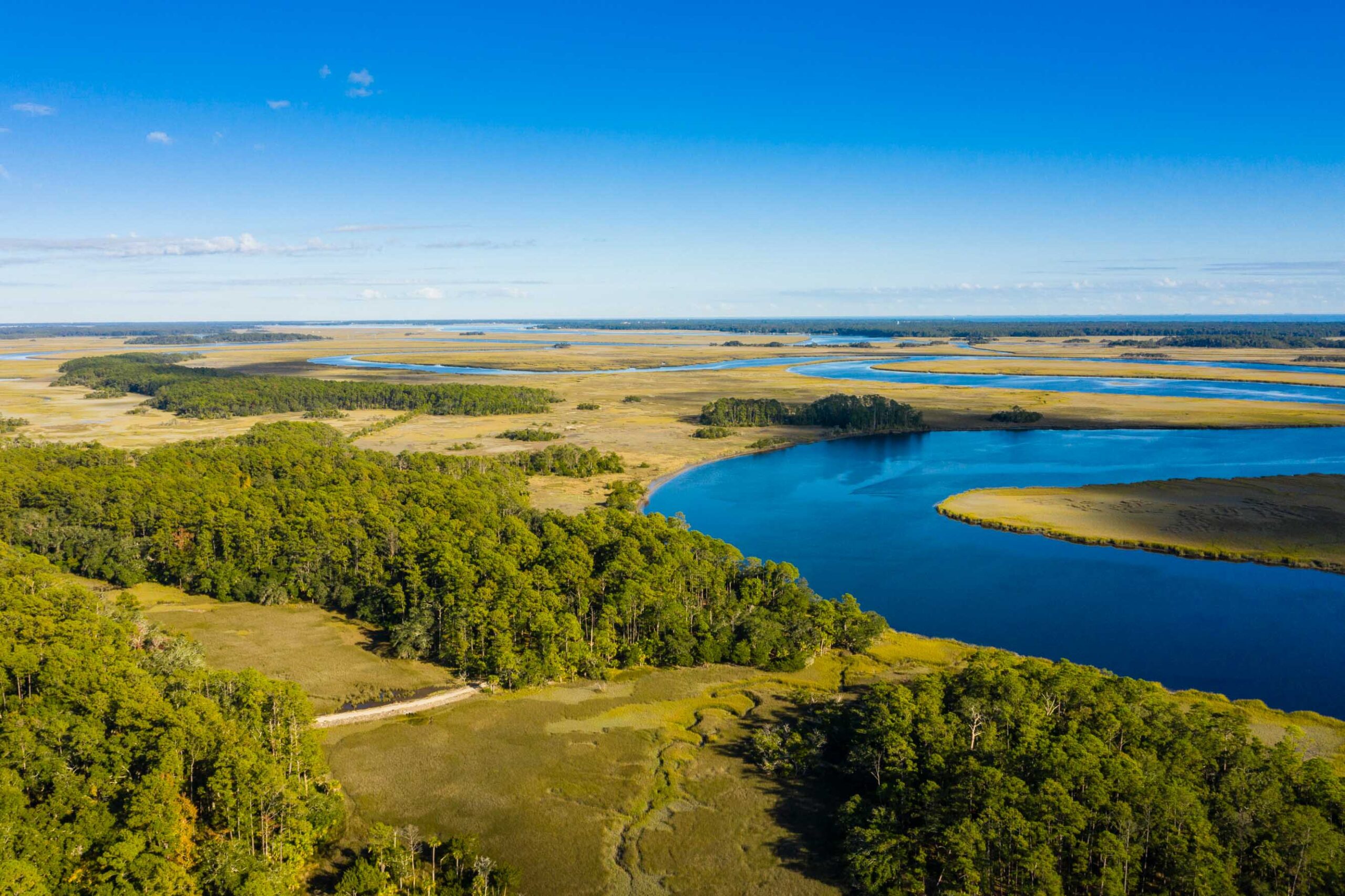
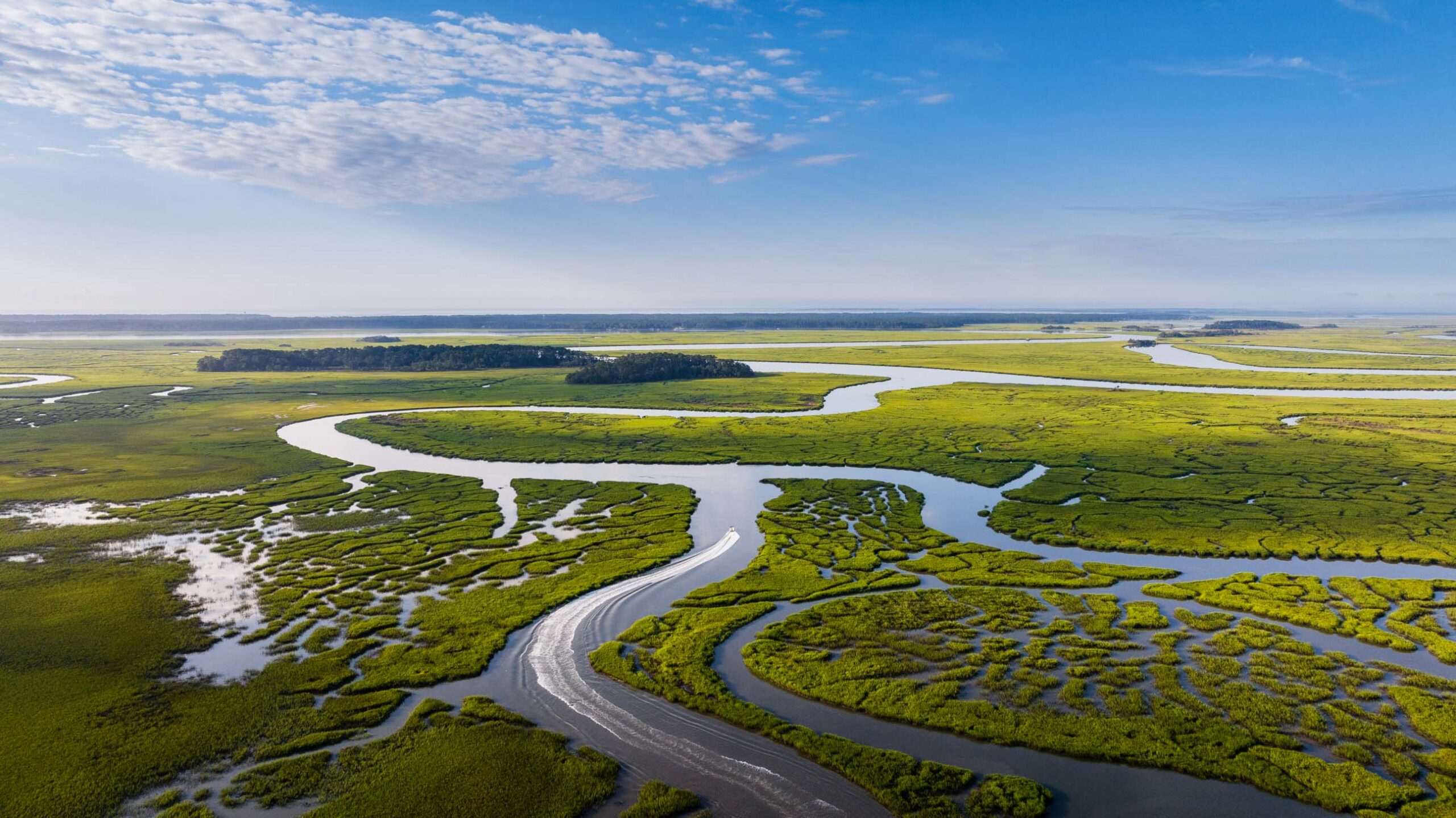
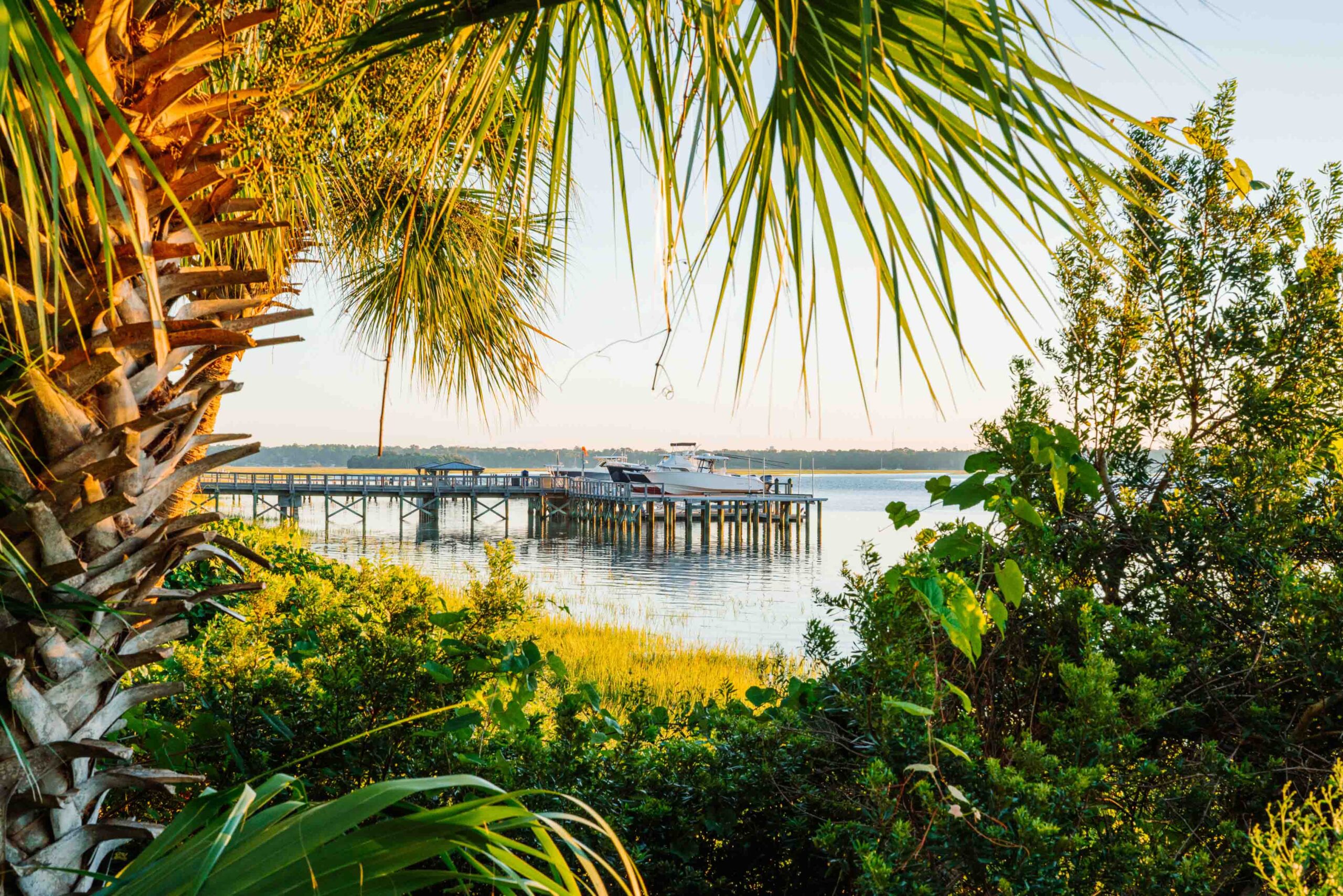
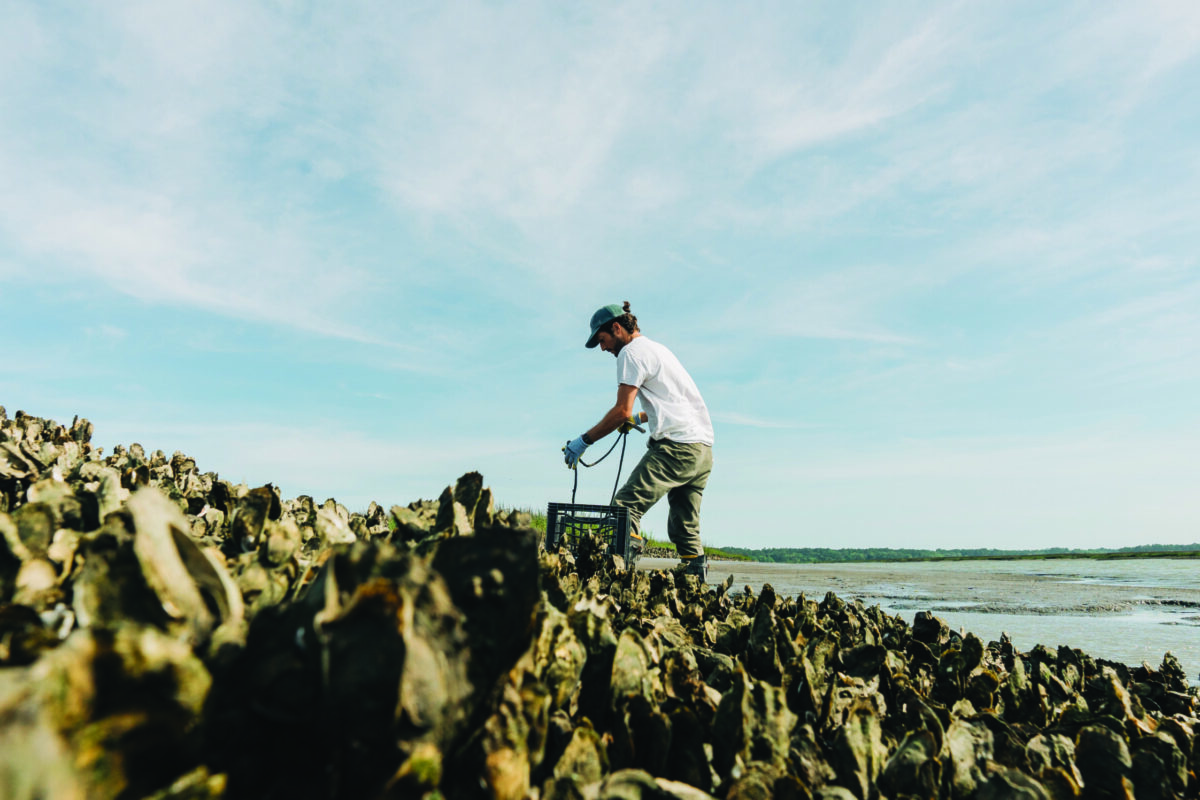
Spartina (Spartina Alterniflora) is a marsh grass that grows anywhere from 1-10 feet in dense colonies that provide protection for different species such as blue crab, redfish, black drum and speckled trout. This makes it a keystone specifies. 50 percent of all the marsh grass is found in South Carolina can be found in Beaufort County and 50 percent of Beaufort county’s land mass is made up of marsh grass.
Black Needle Rush
Black Needle Rush (Juncus Roemerianus) is a codominant with spartina in southern marshes and grows between three and six feet. It has a constant growth rate throughout the year without any recognizable spurts. Black Needle Rush is a phytoremediation, which refers to using living plants to clean up soil, air, and water contaminated with hazardous materials. Black needle rush has assisted in reducing petroleum hydrocarbons found in marshes after large oil spills.
To learn more about events with the Palmetto Bluff Conservancy, visit staging.palmettobluff.com/explore/community-events/conservancy.