Palmetto Bluff Real Estate Company Sales Office
Office Hours
Monday-Friday 9am - 5pm
Saturday 9am - 4pm
Sunday 12 - 4pm
Saturday 9am - 4pm
Sunday 12 - 4pm
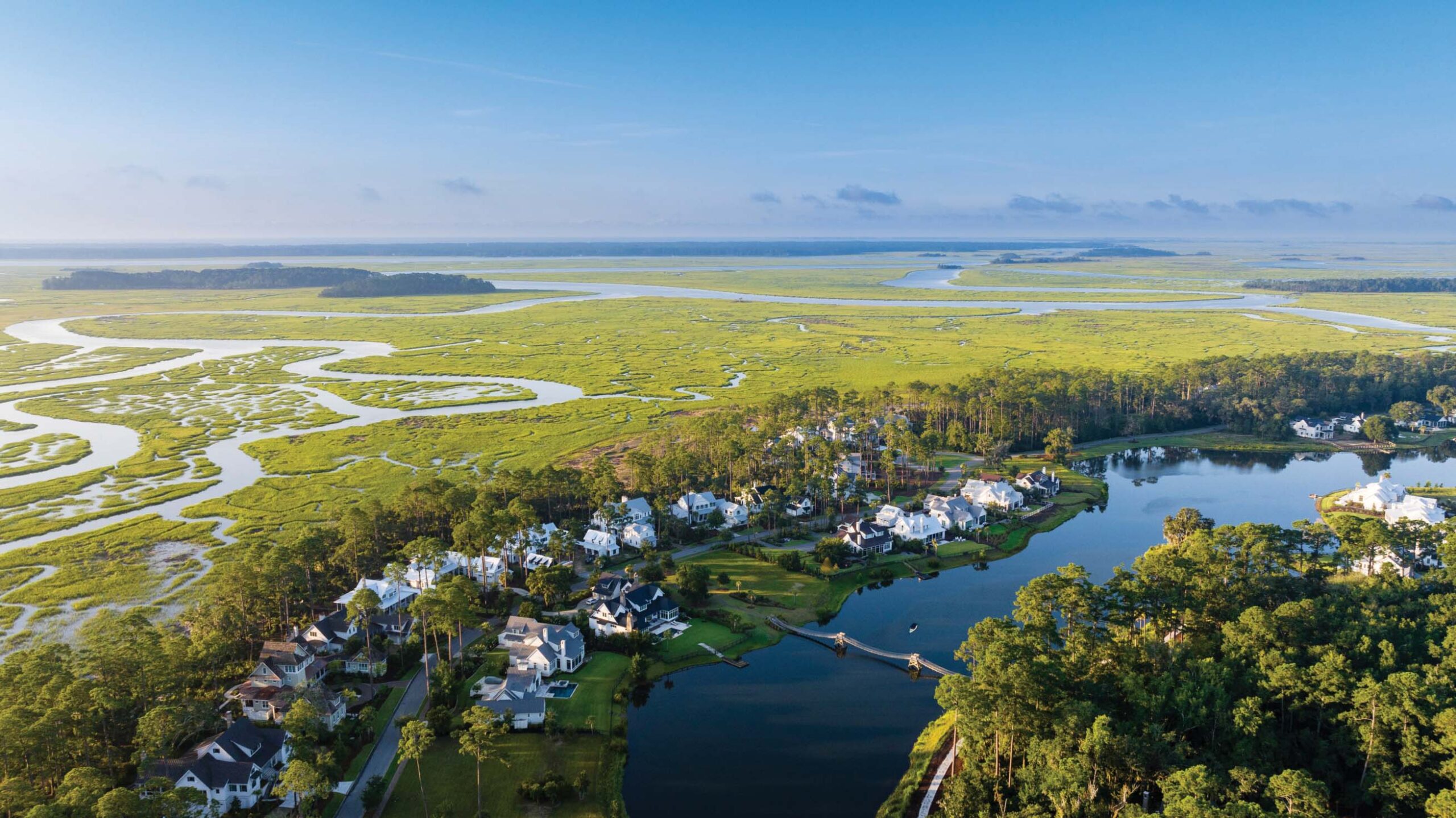
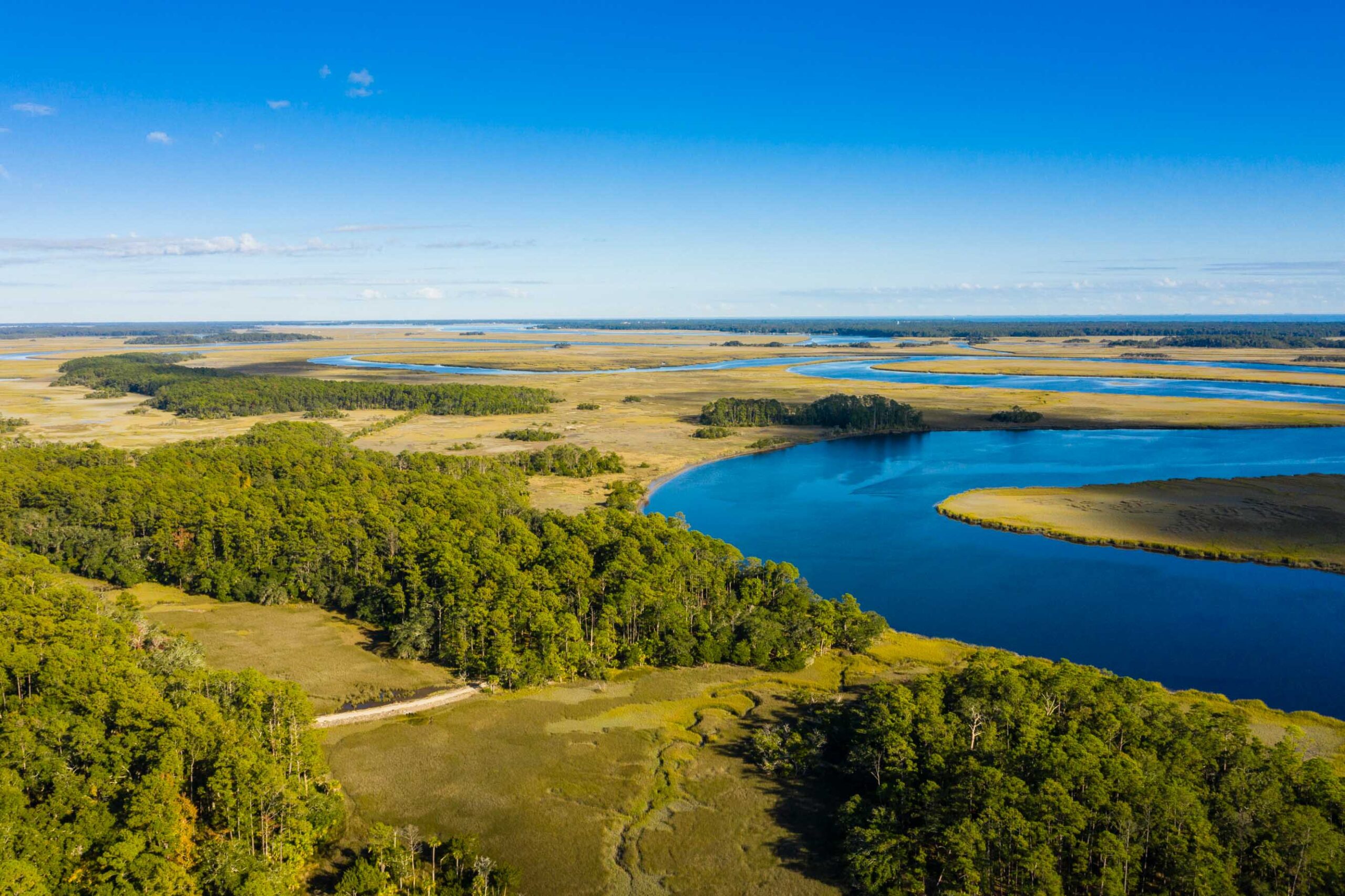
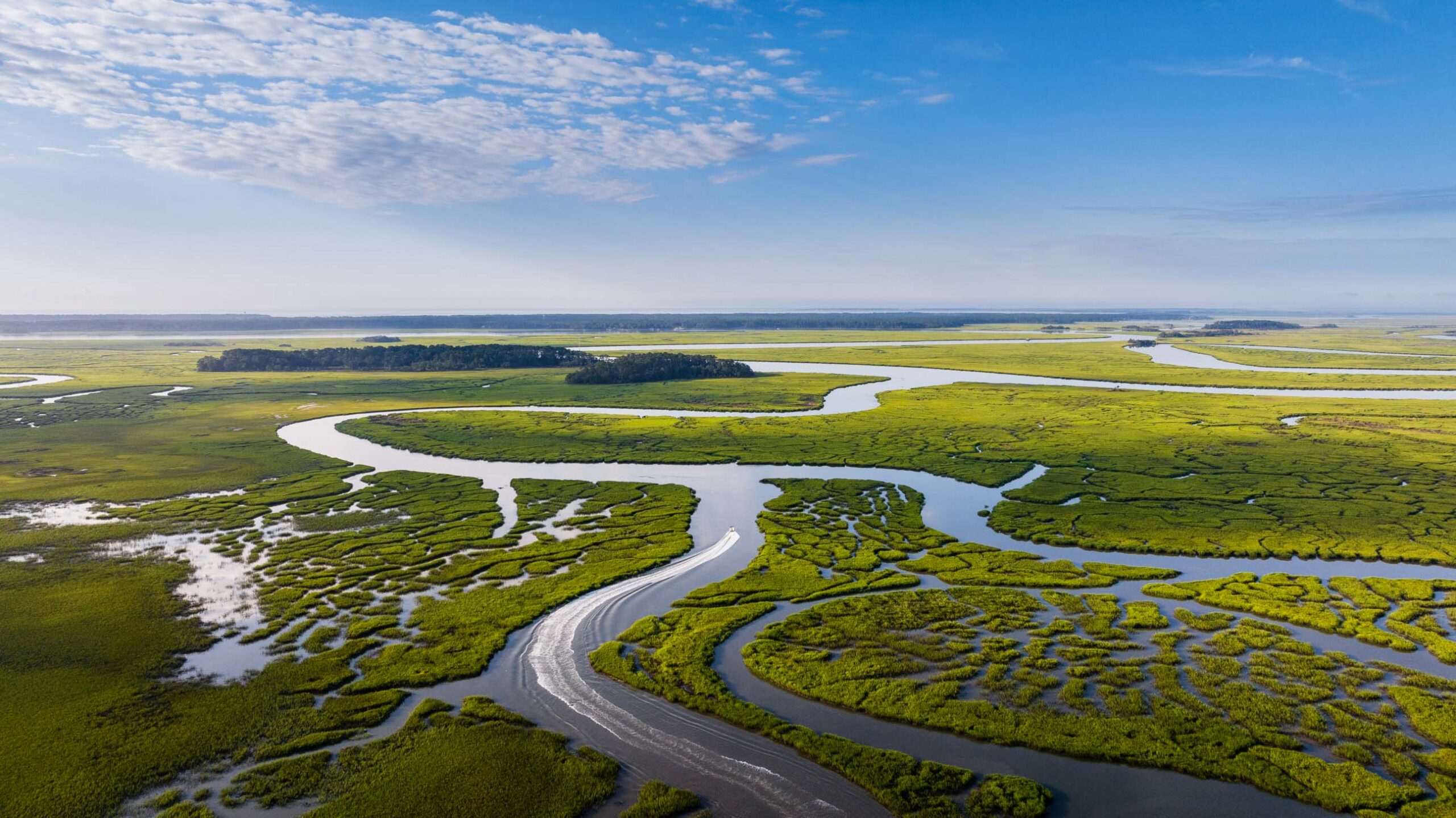
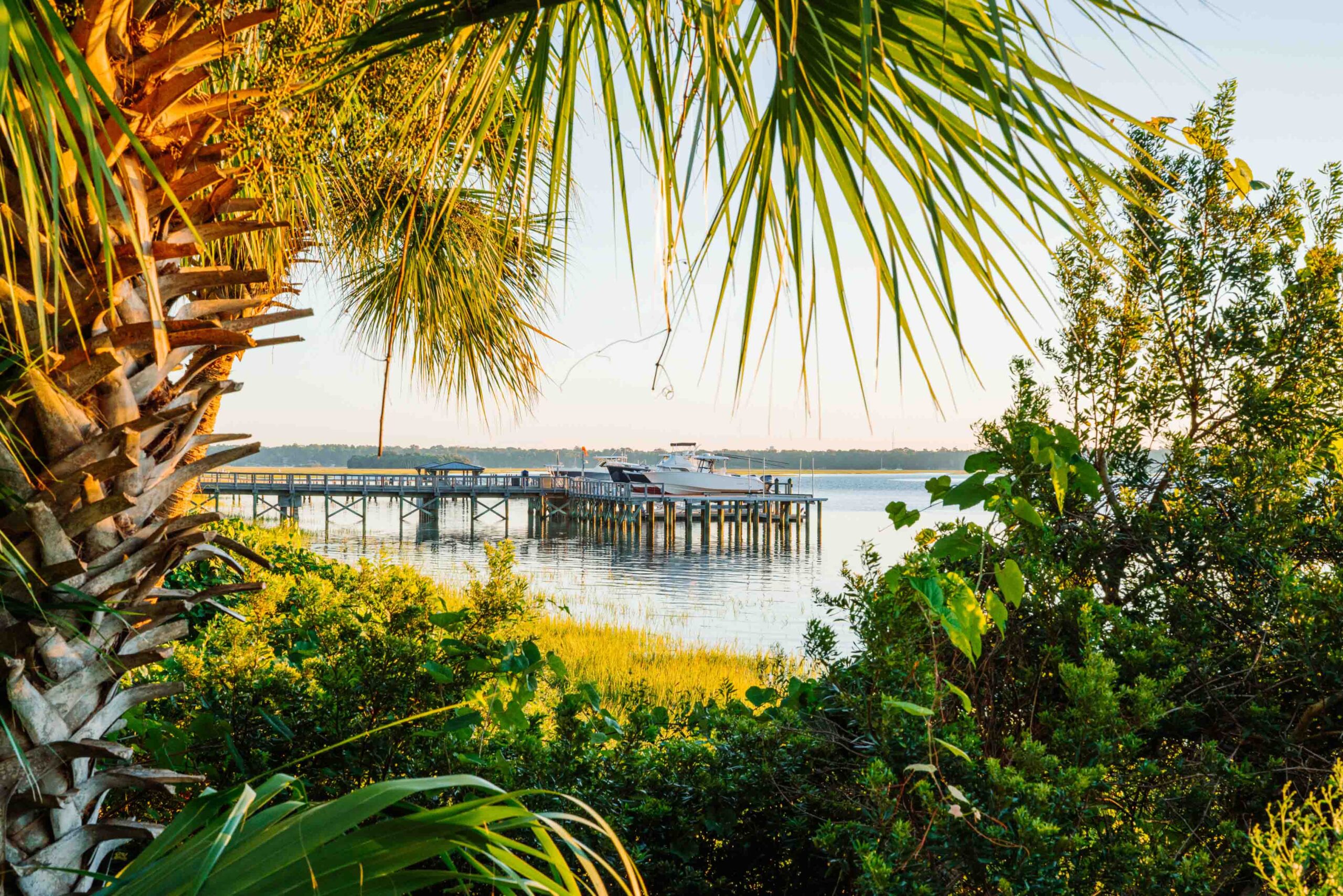
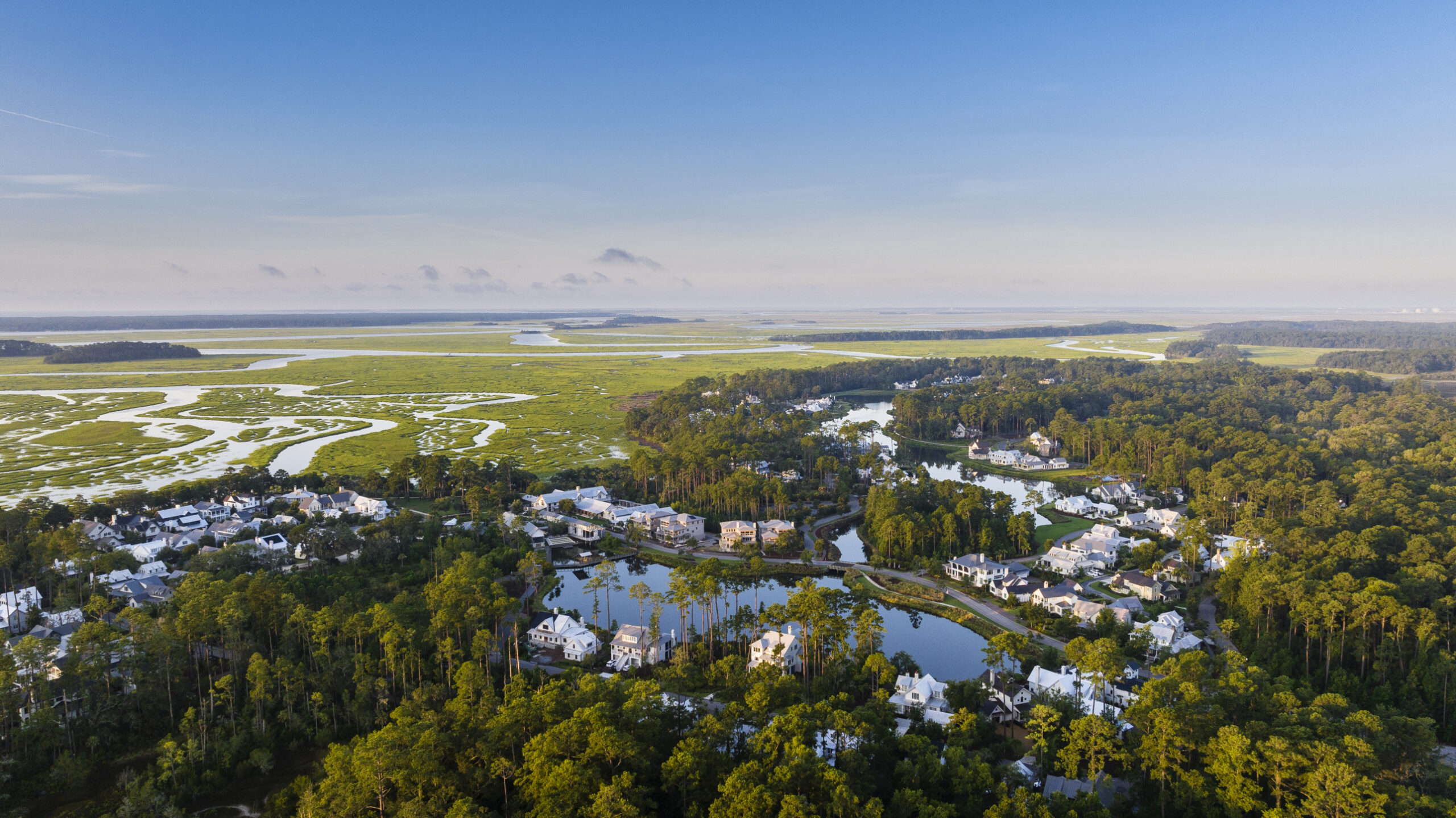
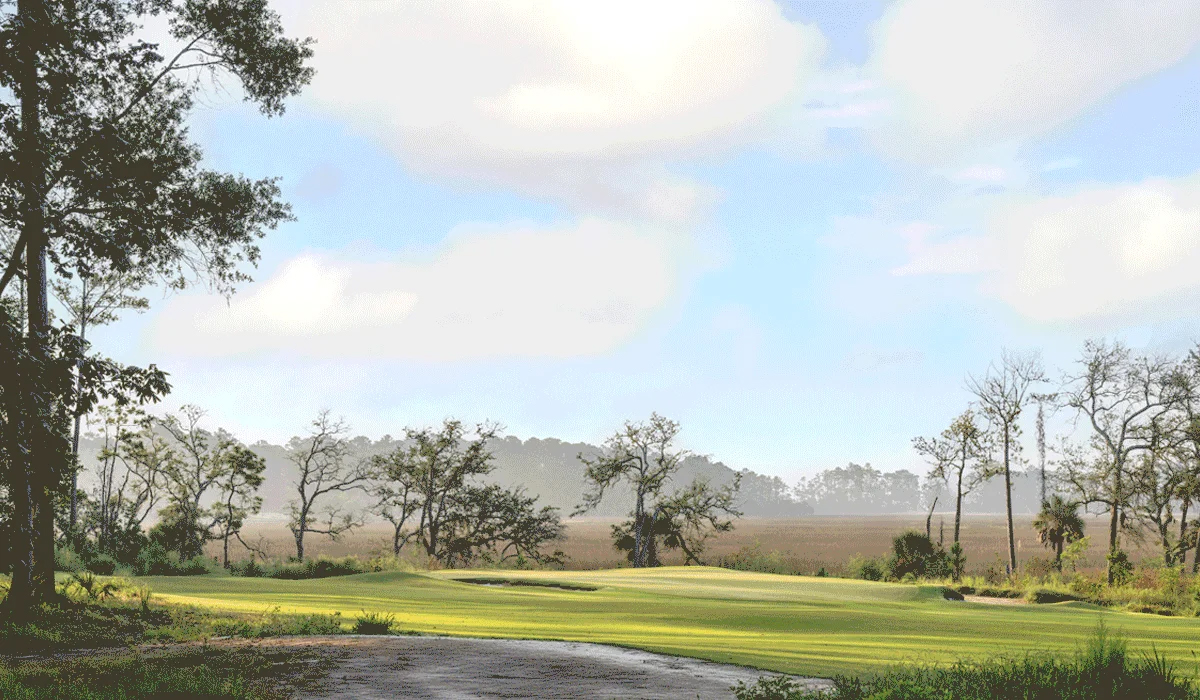
Standing on the bluff that rises above the May River, gaze across the vast expanse of marsh and sky. This is a landscape virtually untouched by time. Imagine this vista in the eighteenth century, in the throes of revolution. Small watercraft dot the tidal creeks, and the tall sails of schooners punctuate the horizon.
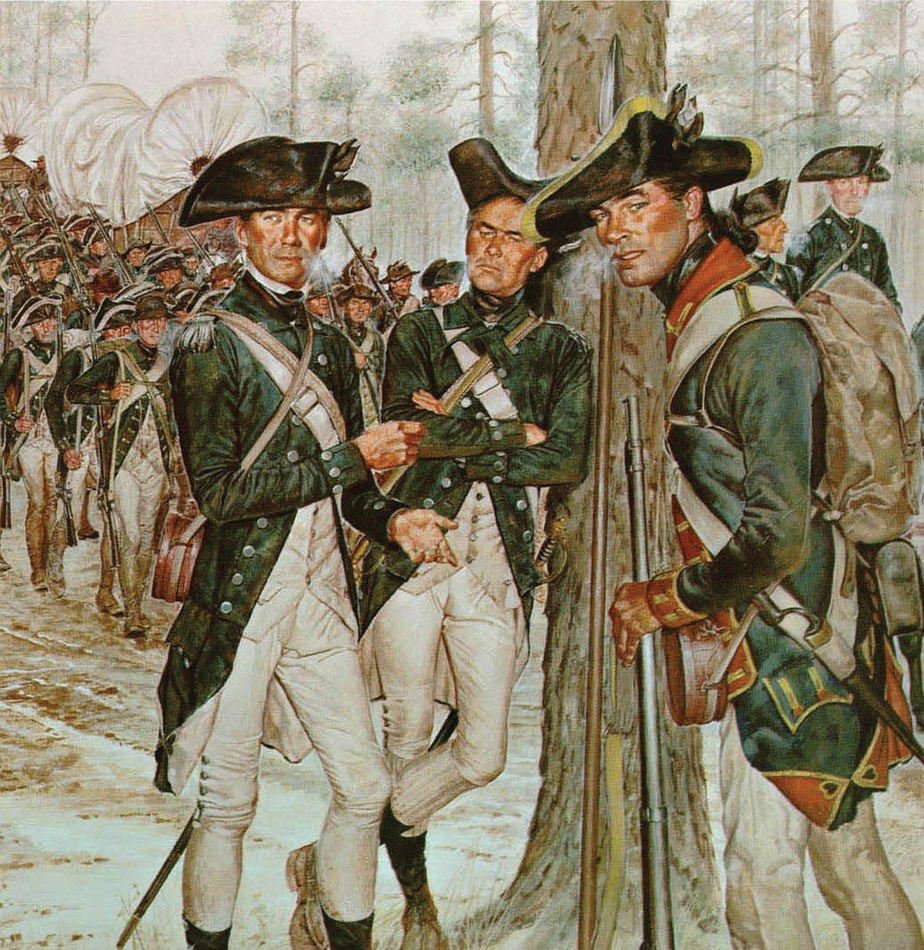
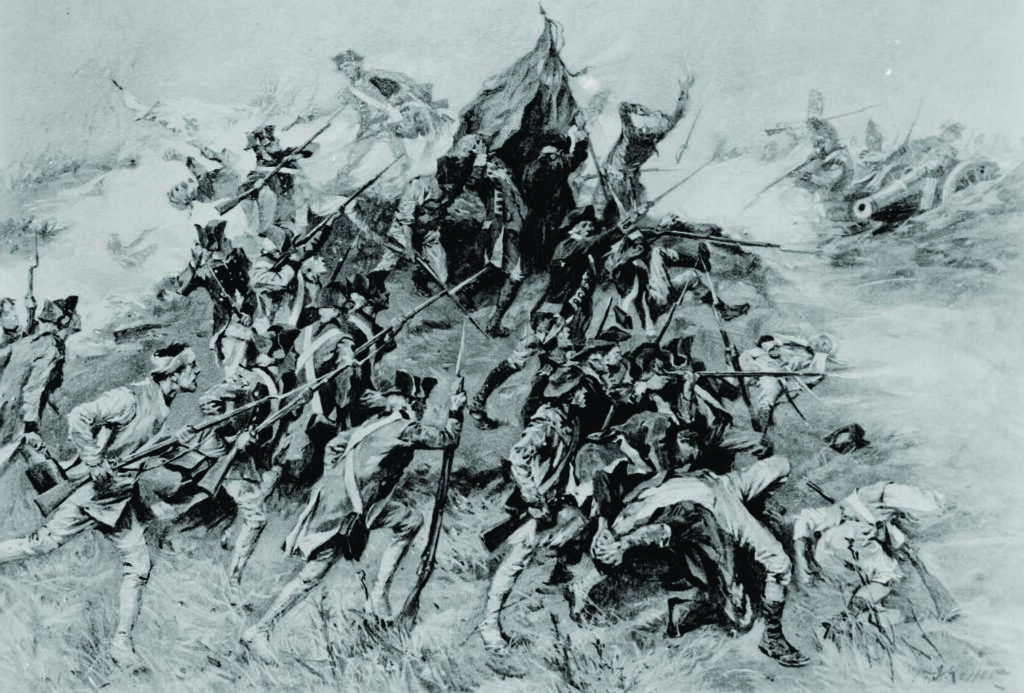
Like the rest of the South, the residents of May River Neck—now called Palmetto Bluff—were caught in the chaos of a divided nation. Neighbors—and sometimes even families—found themselves on opposing sides. Turmoil erupted among patriots, loyalists, and neutral parties who refused to take a side. Trust became an elusive notion, blurring boundaries and fueling tensions that rippled through the colonies. Palmetto Bluff became the setting for one such drama—an ideological clash turned bloody conflict.
The first tract of land sold on May River Neck was Tract One, a 650-acre parcel purchased in 1757 by Josiah Pendarvis. It was named Montpelier Plantation after the French town. When Josiah moved to the property, he brought his thirteen-year-old son, Richard, from his first marriage, his second wife, Mary Bedon, and their two young children, Josiah, Jr., and Elizabeth.
When Richard was thirty-four, his father gave him two hundred acres of Montpelier, and Richard built a home that overlooked the May River just north of Hope’s Neck Drive. Richard became a well-known Loyalist with the moniker “Tory Dick,” and married Margaret Martinangele, the daughter of a Loyalist family from Daufuskie.
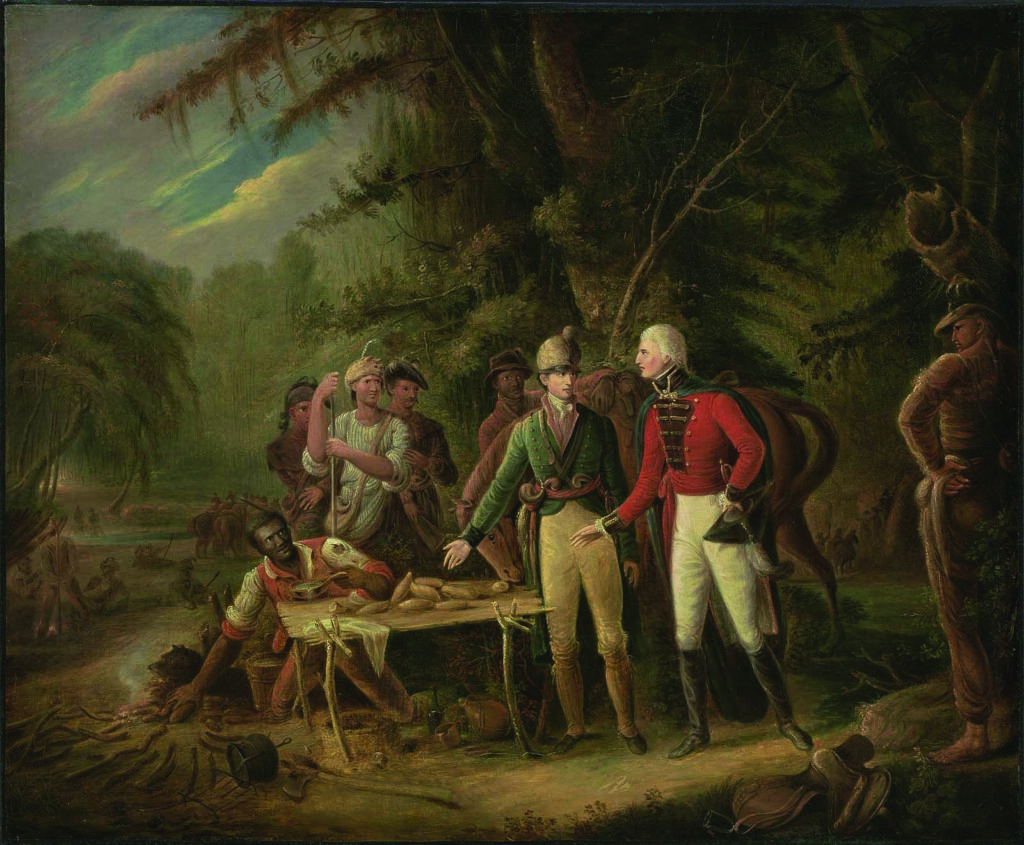
As battles and skirmishes erupted along the eastern seaboard, local clashes between Tories and Patriots pitted neighbors and friends against one another. In 1780, Richard was part of a Tory militia that went to James Doherty’s (also spelled Doharty or Dougherty) plantation, Bear Island, located on the mainland near Pinckney Island. Pendarvis and Doherty had been close friends before the war. Accounts from opposing sides differ, but one thing is clear: by the end of the night, James Doherty was dead, and Richard Pendarvis had a hand in it.
An account in the Loyalist newspaper The Royal Georgia Gazette stated that Pendarvis, his lieutenant William Patterson, and several other Tories arrived at Doherty’s plantation. Doherty and his six or seven companions opened fire, killing one Tory and wounding another. The Tories returned fire, resulting in Doherty’s death.
In a contradictory account, the Patriots claimed that the Tories had threatened to kill Doherty, prompting them to plan an ambush. However, the Tories arrived early, and Doherty’s companions fled. When the Tories encountered Doherty, they opened fire, striking him, though the wound was not fatal. Doherty called for the Patriots to approach and shake his hand. Suspecting a trap, Pendarvis and his group opened fire again, killing Doherty.
Revenge came four months later. Doherty’s nephew, Captain James Leacroft, led members of the Patriot militia—dubbed the Bloody Legion—to Pendarvis’s plantation in May River Neck. They shot Pendarvis in the front yard of his home while his wife watched. Before leaving, they stole three of his horses and his gun.
And so, both James Doherty and Richard Pendarvis were slain—friends turned mortal enemies. Two men lost, not in formal battle, but to petty revenge and murder.
Differences were set aside after the war as communities in the region worked toward building a united nation. Pendarvis’s widow, whose husband and brother were killed by the Bloody Legion, remarried two years later—not to a Loyalist, but to a neighboring plantation owner and Patriot, Captain William Mongin, whose brother and uncle were members of the Bloody Legion.
Pendarvis’s brother-in-law, John Screven, owned land northwest of Richard’s and was also an ardent supporter of the Patriot cause. Screven later owned Montpelier Plantation, which was subsequently owned by George Hipp.
The Screven-Hipp Cemetery is nestled behind a wall of greenery, across from the parking lot at the Palmetto Bluff Canoe Club pool. This cemetery contains burials from the late 18th and early 19th centuries. The Emily Geiger Chapter of the Daughters of the American Revolution erected plaques on the cemetery gate to commemorate the burial of Revolutionary War Soldier John Screven and Revolutionary War Patriots Elizabeth Screven and George Hipp. Richard “Tory Dick” Pendarvis and his father are possibly buried there, though no stones mark their graves.
In 2026, our nation will celebrate the sestercentennial of our Declaration of Independence from Great Britain. The South Carolina 250 Celebration activities will begin in 2025 and continue through 2033, with numerous events planned in Beaufort County, South Carolina, and across the nation.
As we celebrate the birth of our nation, it is important to remember all the people who lived on this land and how their lives were irrevocably altered by the War for Liberty.
On July 9th, two South Carolina barges and a Georgia schooner departed from Bloody Point to intercept the shipment. The boats surrounded the Phillippa and the supply ship, recovering 16,000 pounds of gunpowder along with “seven hundred-weight of leaden bullets, bar-lead, sheet-lead, Indigenous trading arms, and shot.” The recovered cargo was divided between the South Carolina and Georgia Patriots. The South Carolina Patriots sent 4,000 pounds to the Continental Congress in Philadelphia.
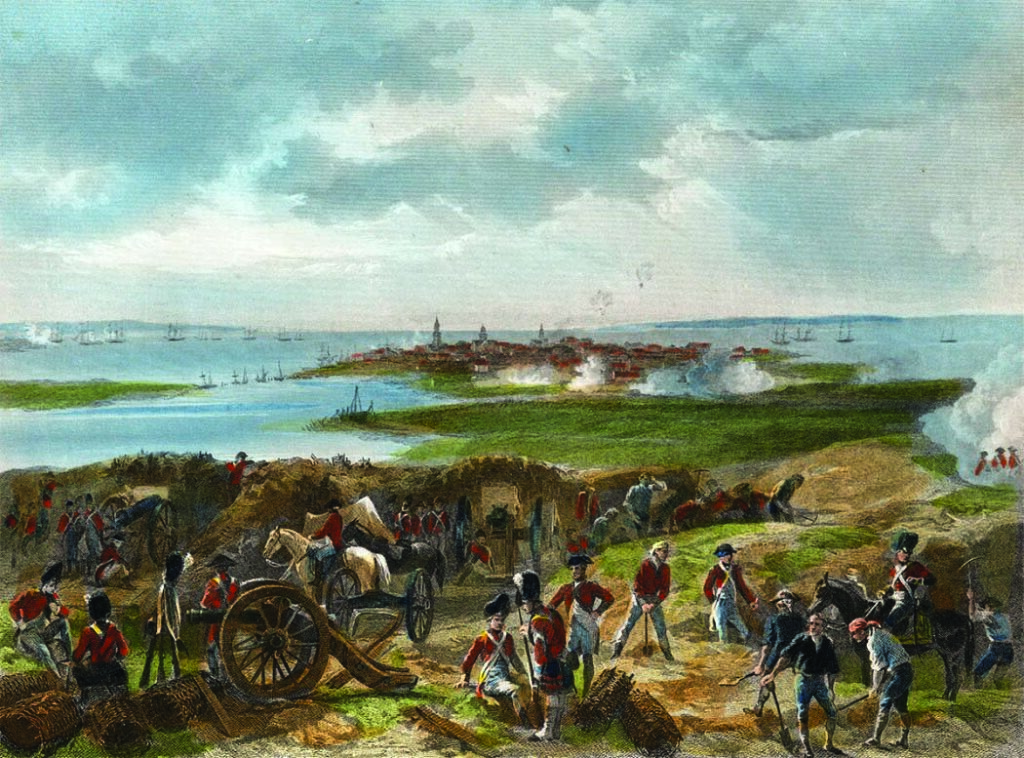
At that time, the Revolution could still be characterized as a series of skirmishes in the North, but it would soon dramatically impact all of Beaufort District, including Palmetto Bluff.
Beaufort District’s first significant engagement at the start of the Revolutionary War technically occurred in Georgia waters, off Cockspur Island, which is now the site of Fort Pulaski. The incident was termed the Bloody Point Naval Action, named after nearby Bloody Point on Daufuskie Island, where Patriot forces were gathered.
In the summer of 1775, the South Carolina Council of Safety received intelligence that the British and their Indigenous allies were about to receive a shipment of gunpowder from an incoming supply ship escorted by the armed schooner Phillippa.
Katie Epps fell in love with history while growing up in Charleston. She earned her undergraduate degree in Anthropology at the College of Charleston and her master’s degree from the University of South Carolina. Katie worked at Palmetto Bluff as a contract archaeologist from 2004 to 2008 and returned in 2021 as the Assistant Archaeologist. She is now the Director of Cultural Resources and is responsible for managing the archaeological resources of Palmetto Bluff, conserving metal artifacts, preparing artifacts for perpetual curation, and working with the Conservancy to ensure the cemeteries are maintained and restored.
Warm, fragrant, and deeply comforting, Chef Beth’s Southern Sausage & Sage Stuffing is a holiday classic that brings together rich pork sausage, fresh herbs, and toasted bread for the ultimate savory side dish. Studded with green apples and aromatic vegeta...
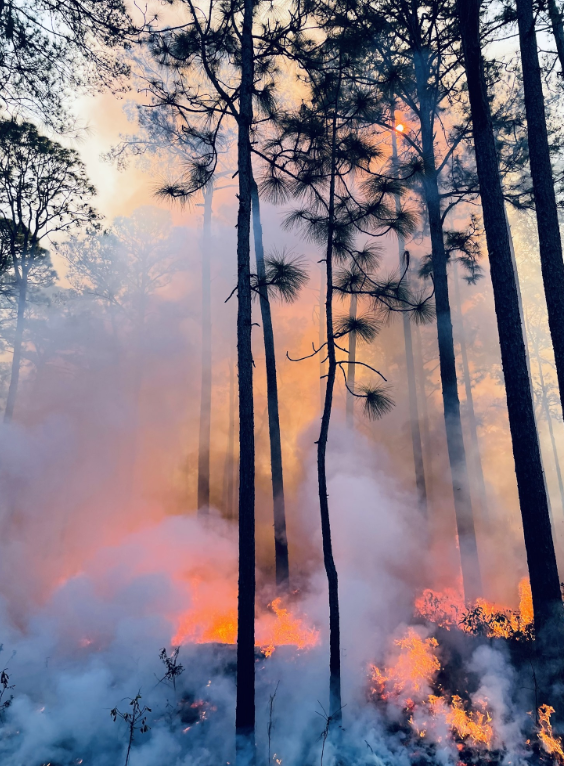
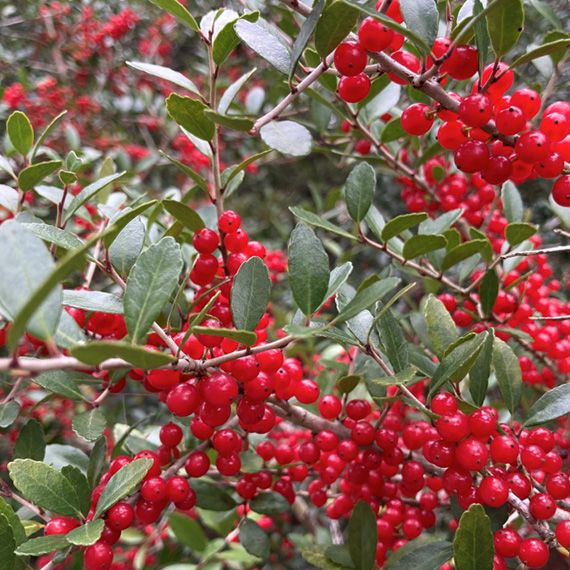
As December settles over Palmetto Bluff, it brings softer light, cooler mornings, and the natural beauty of native evergreens and winter berries that define the Lowcountry landscape. Palmetto Bluff Conservancy’s Education and Outreach Manager, Aaron Palmieri, ...
In 2025, Palmetto Bluff welcomed new neighbors and old friends, groundbreakings, and long-awaited openings. From inspired Club gatherings and elevated programming to the creation of our latest golf course, the year was defined by connection and excitement for ...
There is something serene about waking up to shimmering water, the stillness of the woods, or the sweep of marsh and sky right outside your window. Even without stepping outside, science shows that simply seeing nature from home can meaningfully improve mental...
The Ultimate Choice: Building vs Buying a Home in Palmetto Bluff For those searching for Palmetto Bluff homes for sale, this common question often arises: Should you choose an existing residence, or embrace the opportunity to build your own? While a complet...
A Complete Guide to South Carolina Winter at Palmetto Bluff South Carolina's winter is unlike any other on the East Coast. While many travelers search for “South Carolina winter” expecting cooler temperatures and limited outdoor options, the Lowcountry revea...
River Road: Where Lowcountry Beauty Meets Elevated Everyday Living Tucked gracefully between Wilson Village and Moreland Village, River Road is one of Palmetto Bluff’s most immersive communities. It's where the pace of life seems to soften, classic Southern ...

Sunday, December 14 | 9am to 1pmVillage GreenThe season’s most festive farmers market, the Holiday Farmers Market, comes to Wilson Village on Sunday, December 14, from 9am to 1pm. All are welcome to visit and experience the magic of holidays at the Bluff. The ...

Tucked amid whispering pines and overlooking a tranquil water trail, 11 Lyonia Street is where Lowcountry charm meets modern artistry. The newly built residence redefines Southern living with a balance of craftsmanship and calm. This is a home that feels both ...
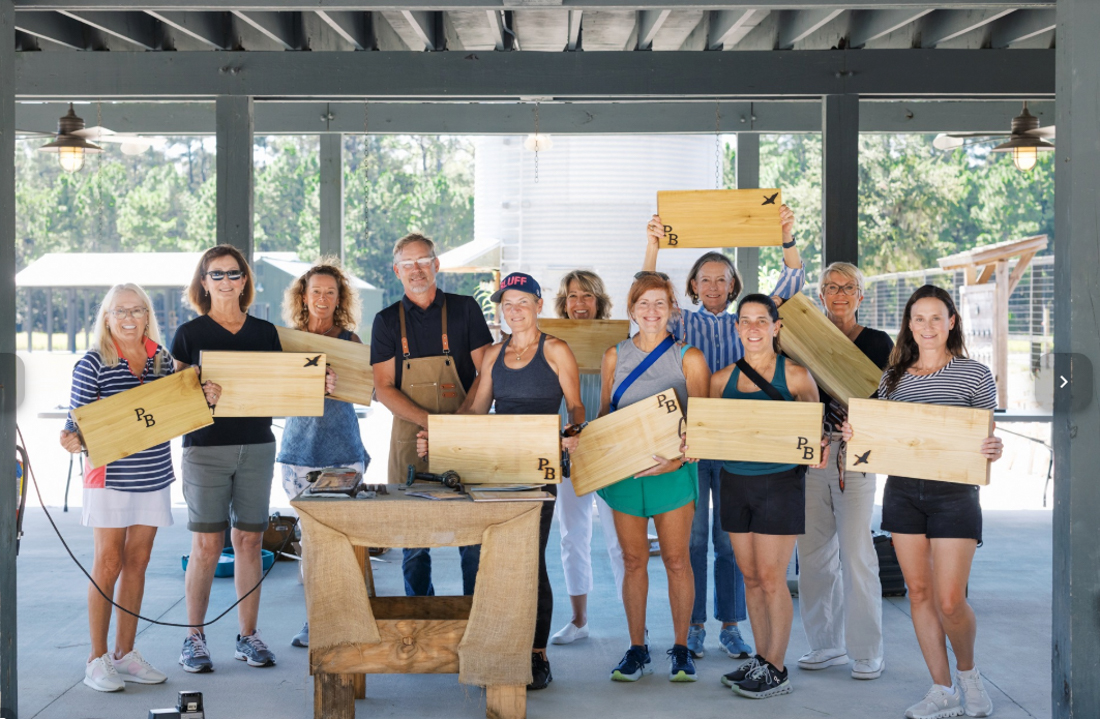
The holiday season in the Lowcountry brings crisp air, oaks draped in twinkling lights, and laughter drifting from homes where families and friends gather once again. At Palmetto Bluff, the holidays are more than just a season; they’re a feeling of togethernes...
We do not attempt to independently verify the currency, completeness, accuracy or authenticity of the data contained herein. All area measurements and calculations are approximate and should be independently verified. Data may be subject to transcription and transmission errors. Accordingly, the data is provided on an “as is” “as available” basis only and may not reflect all real estate activity in the market”. © [2023] REsides, Inc. All rights reserved. Certain information contained herein is derived from information, which is the licensed property of, and copyrighted by, REsides, Inc.