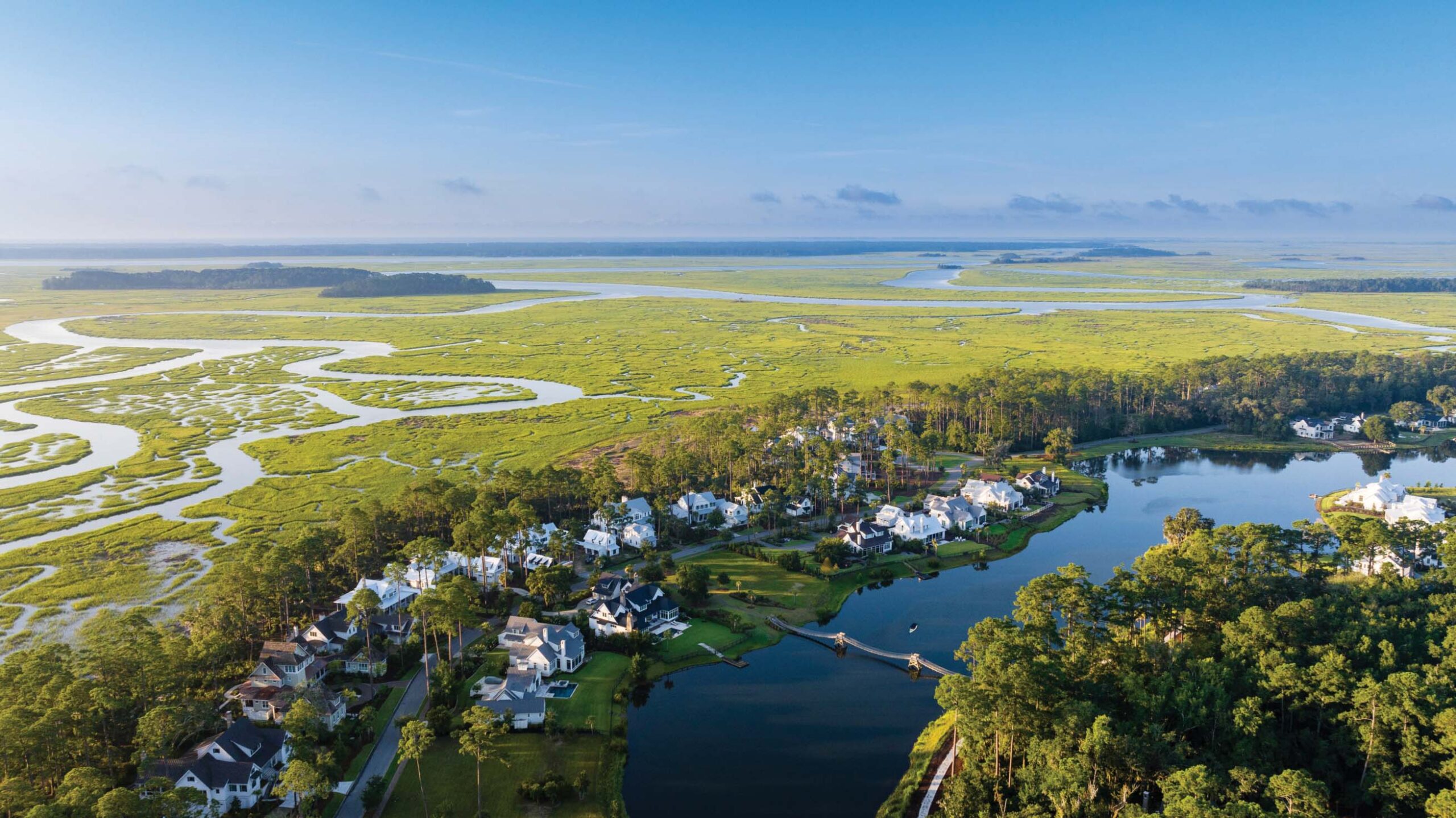
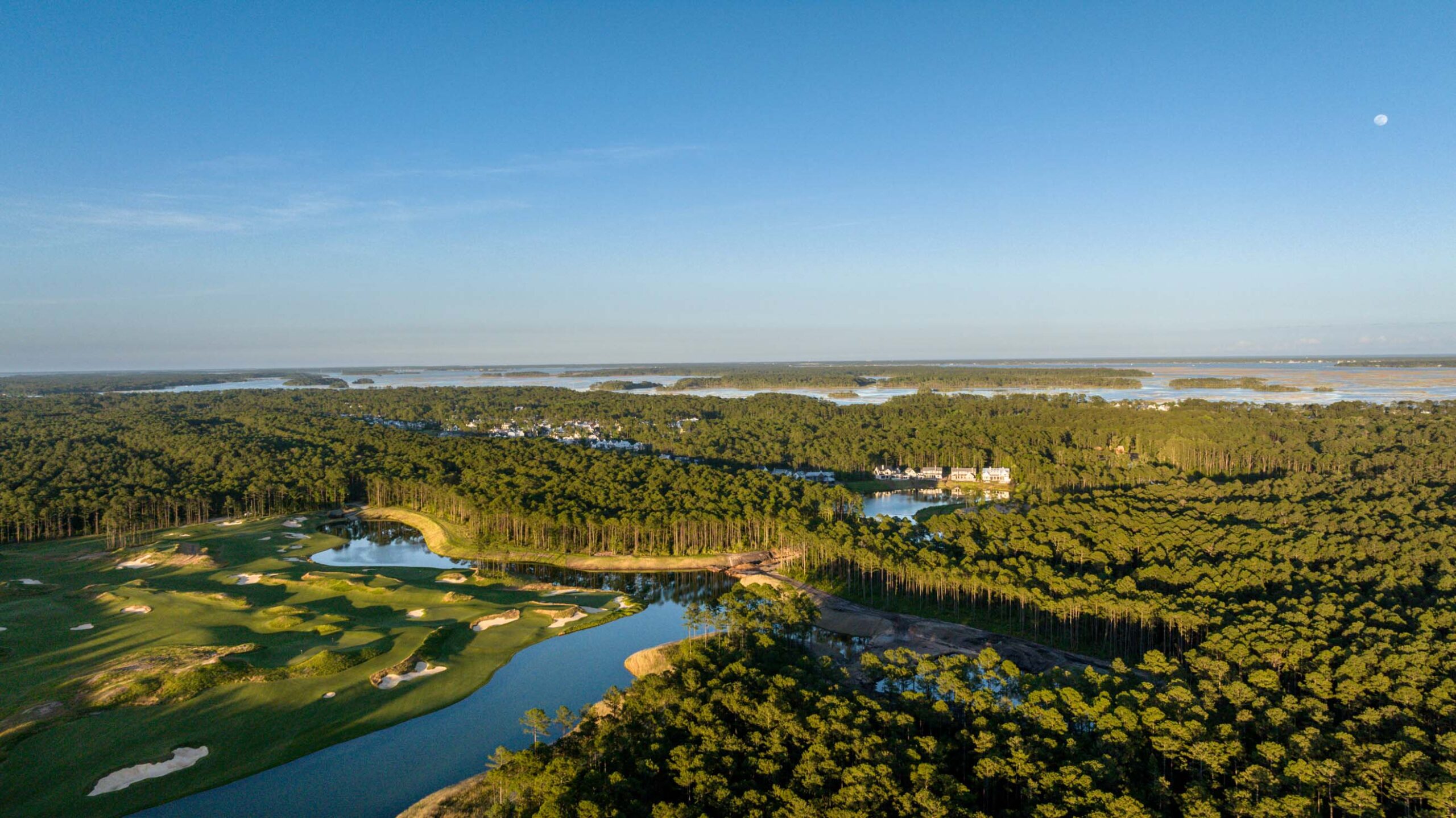
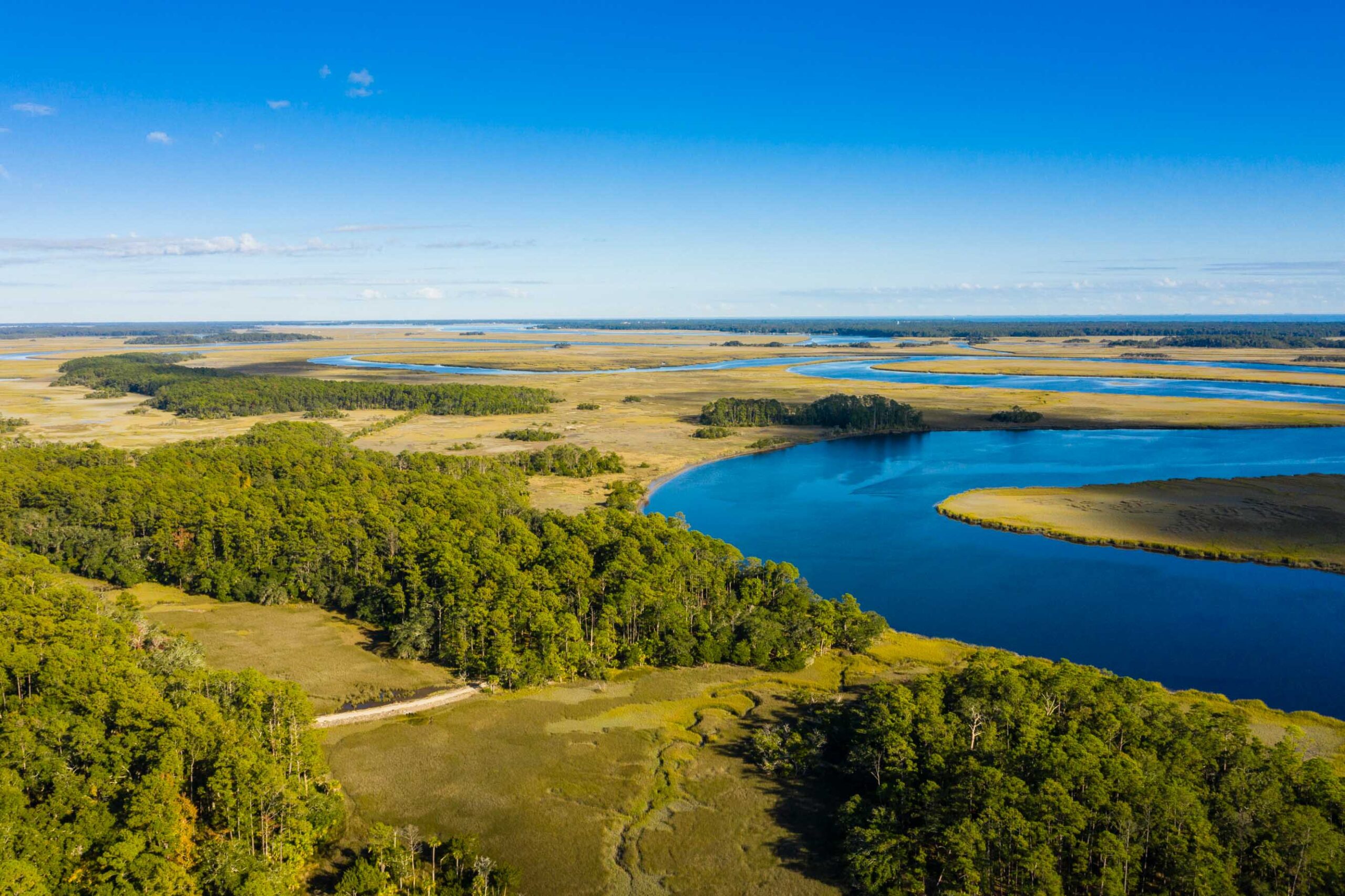
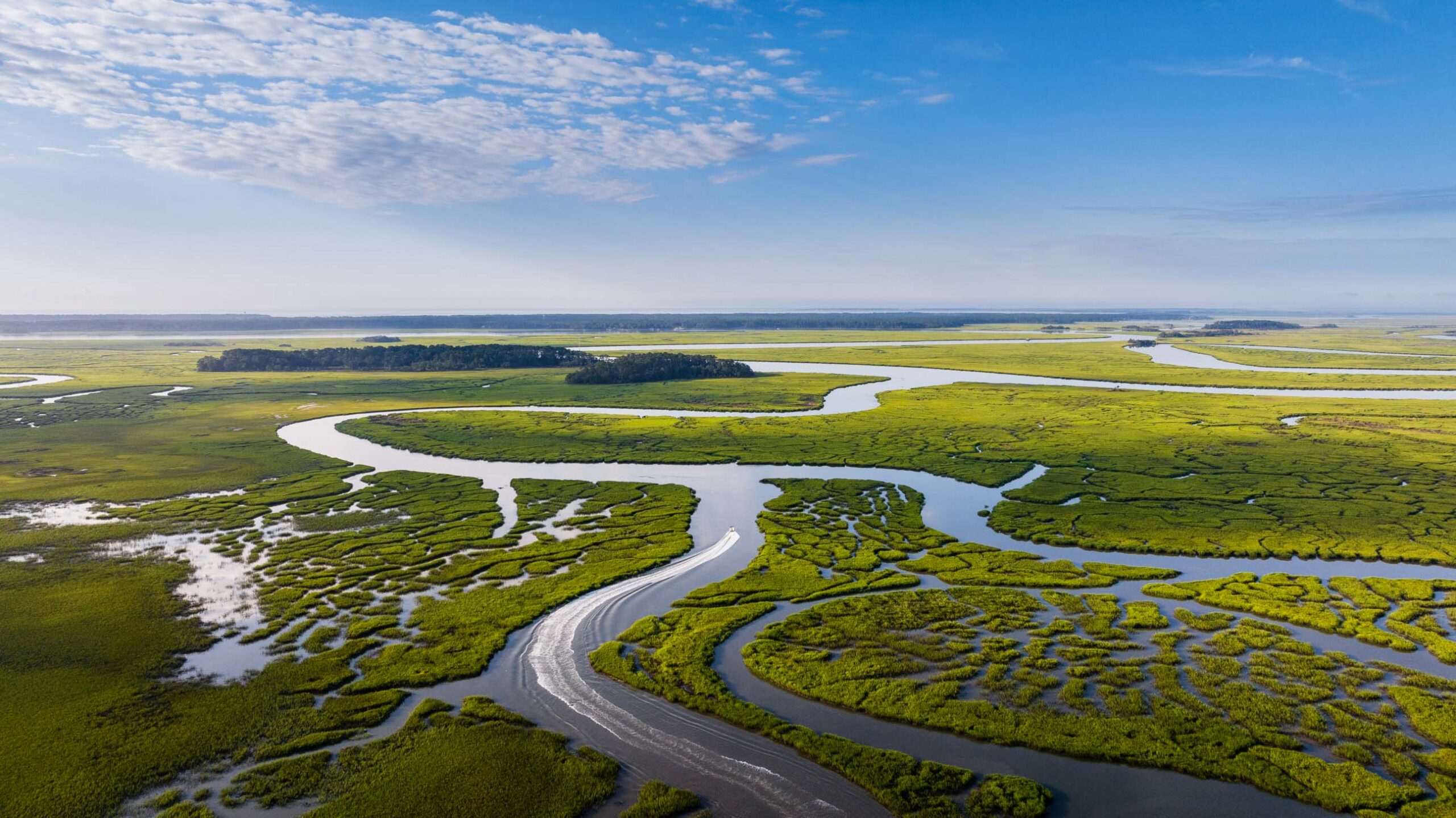
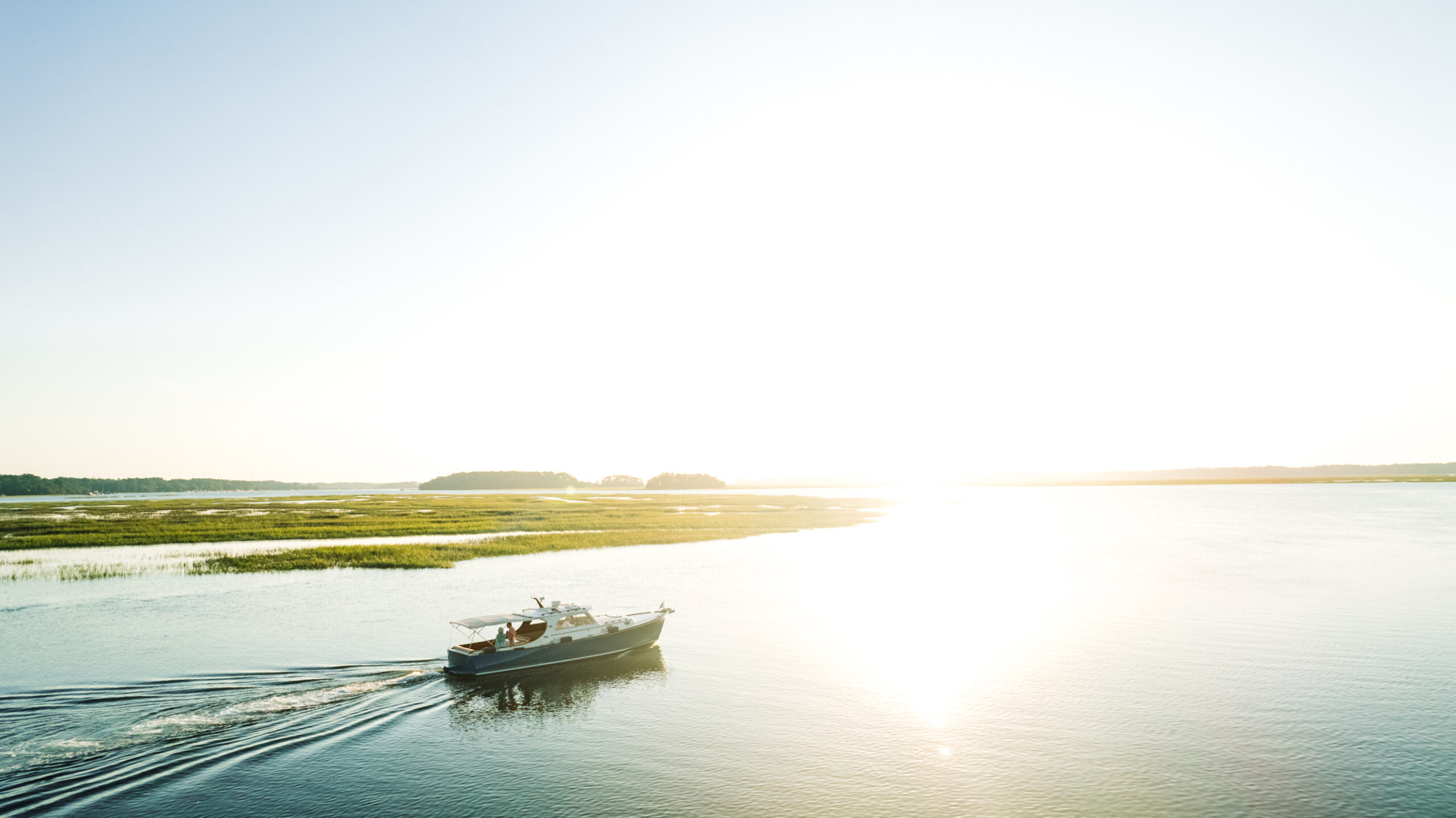
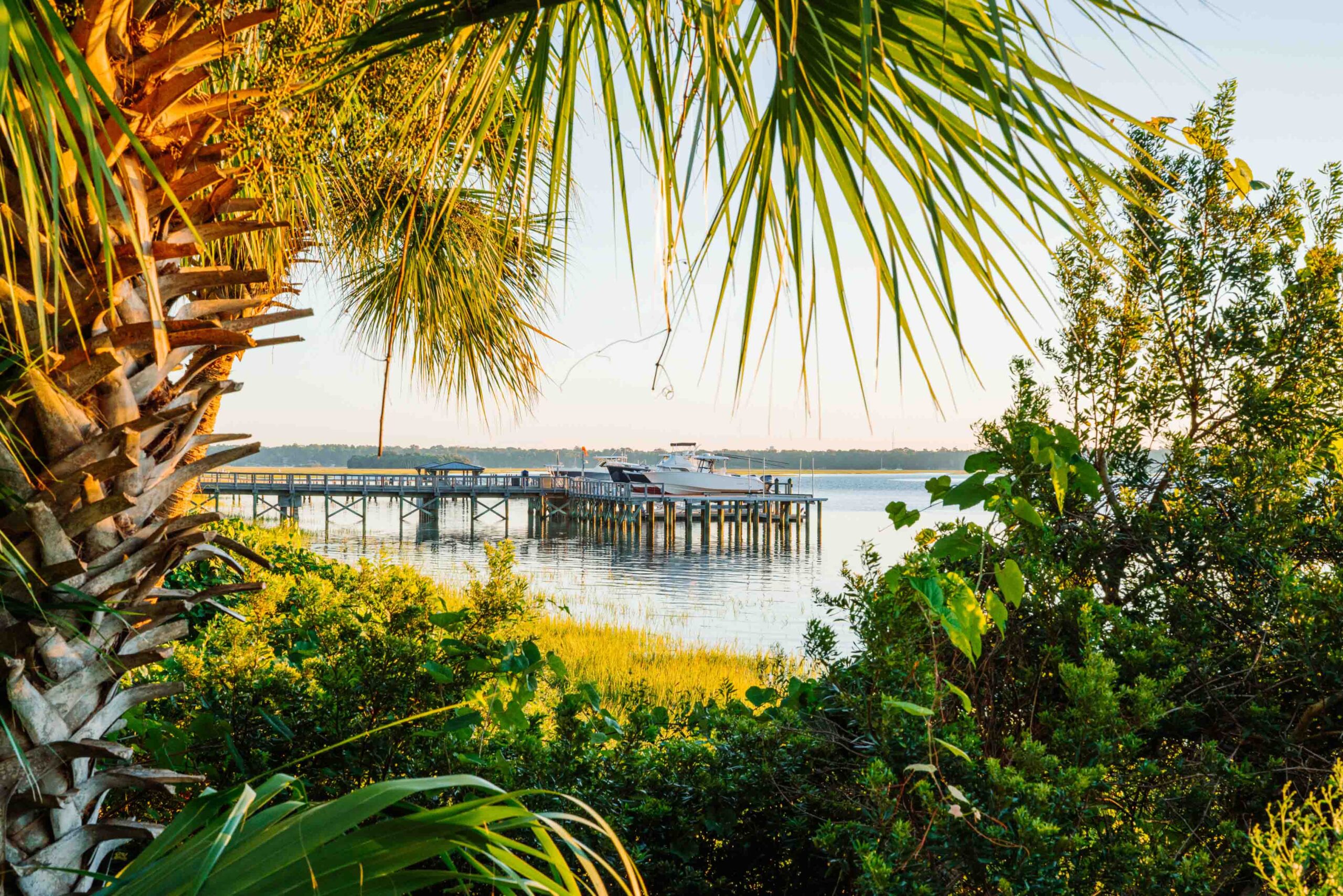
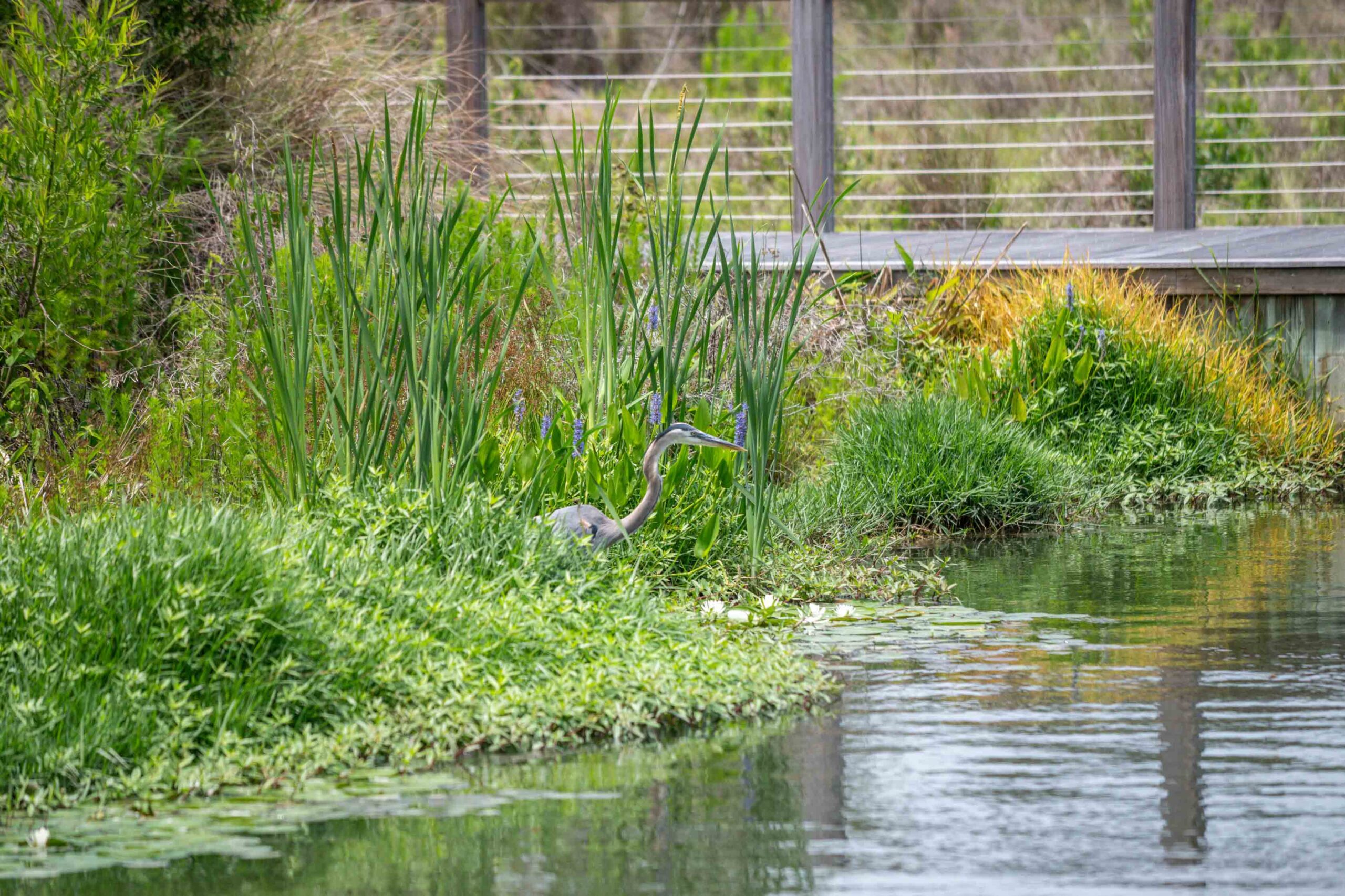
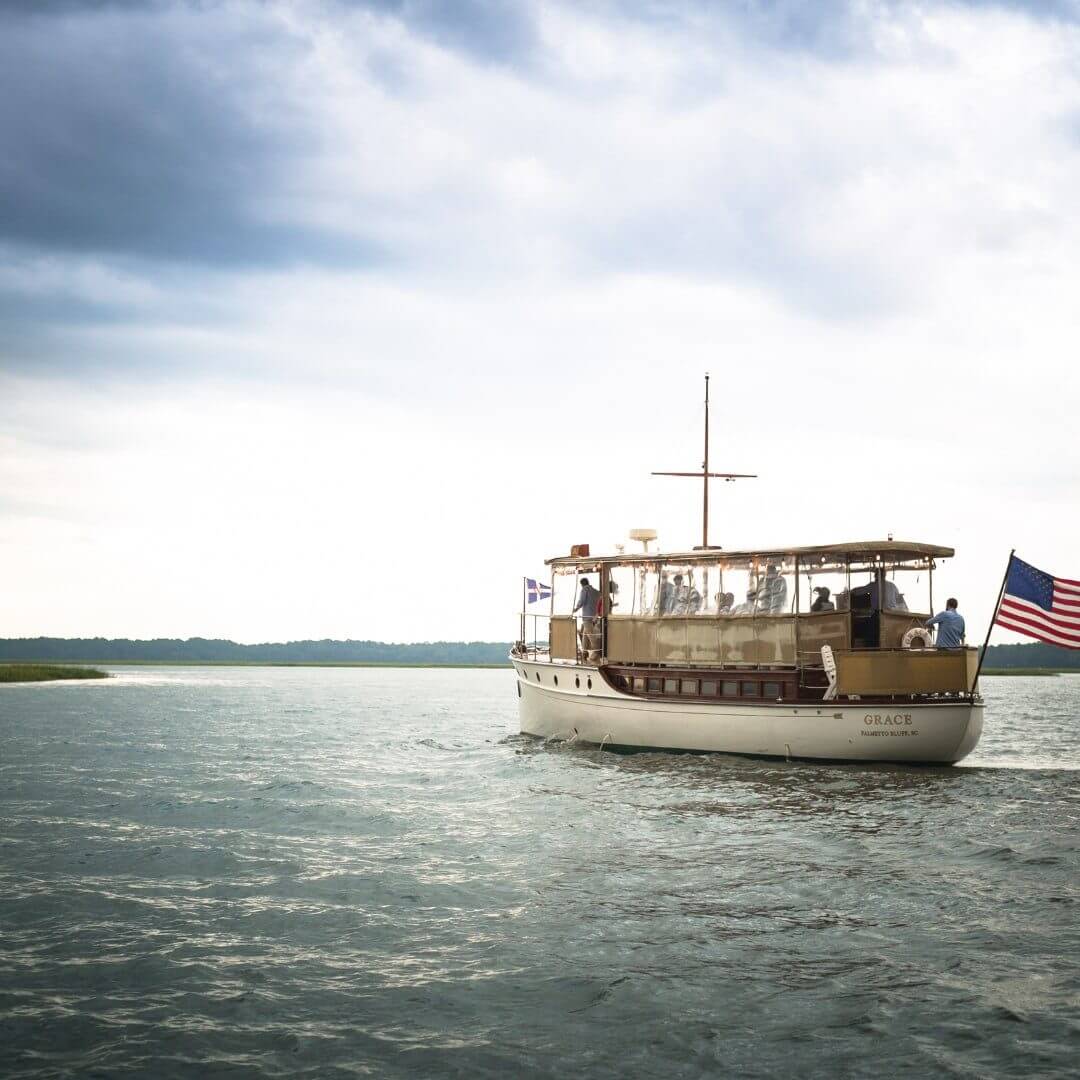
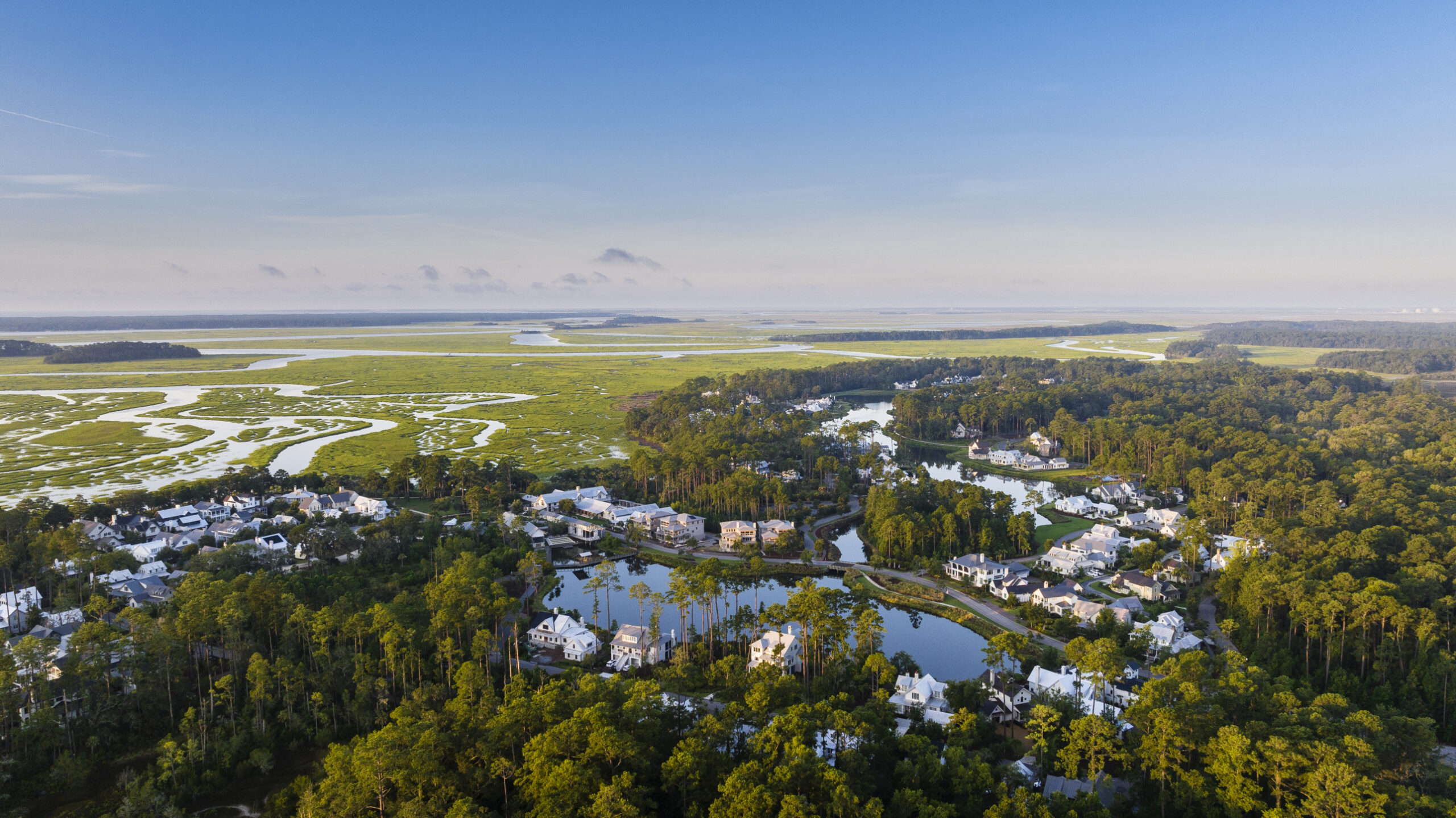
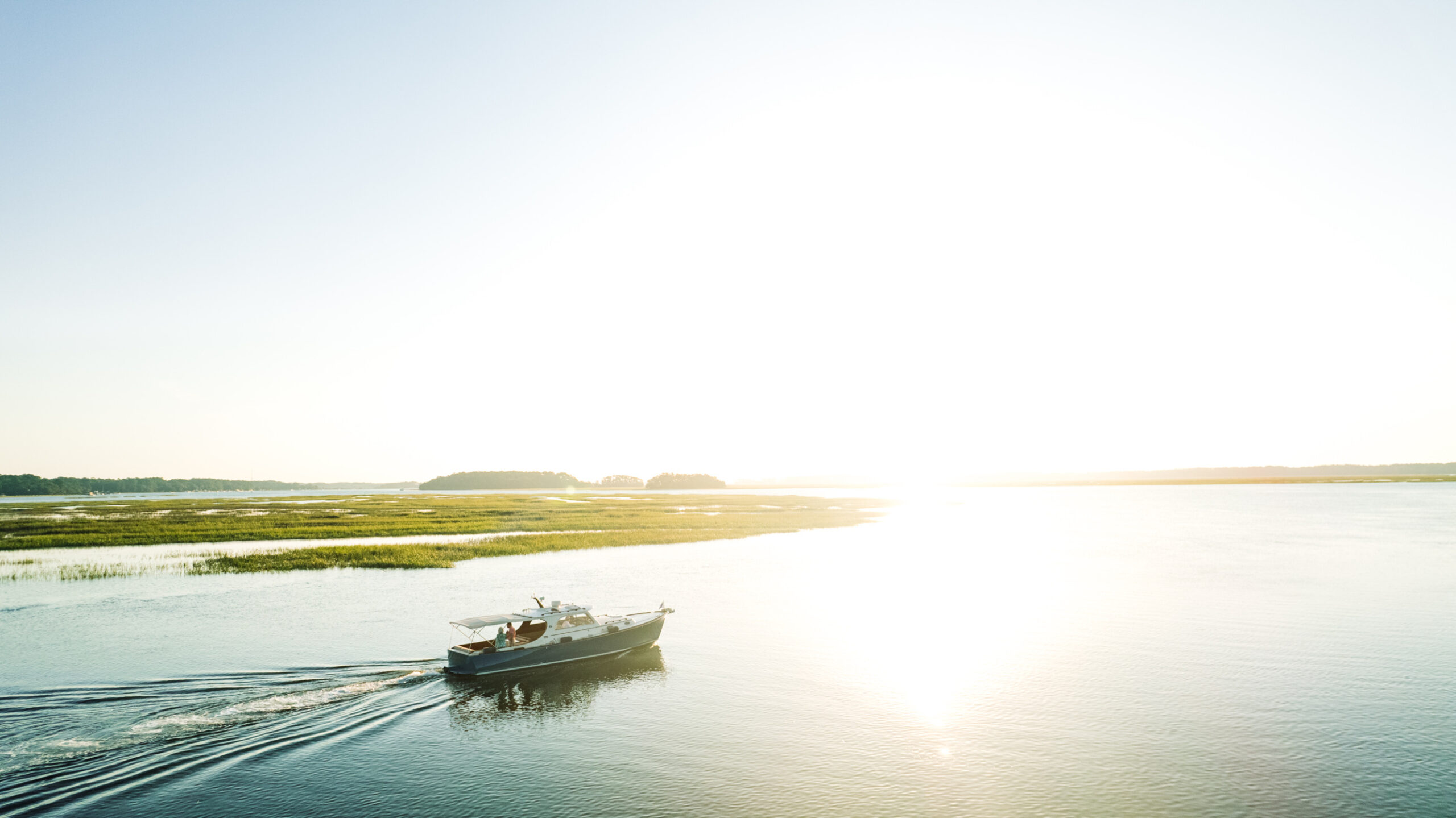
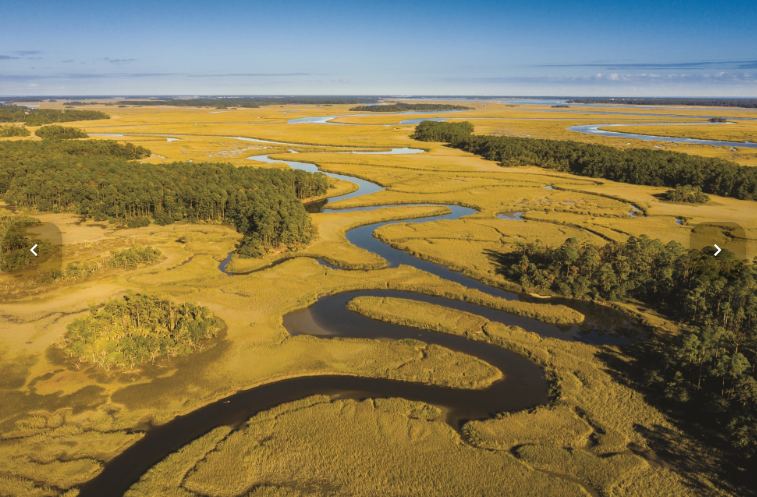
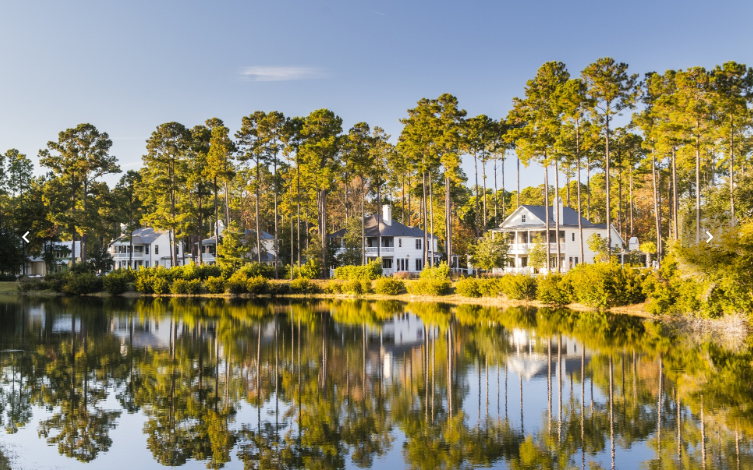
The lagoon systems of Palmetto Bluff are vastly underrated. Yes, they add to the aesthetic value and picturesque beauty of this place. There is no doubt about that. Imagine the expansive views. The sun is setting. The coastal breezes are blowing. The movement of the air creates ripples that meander on the surface of the lagoon. As the breeze builds, the live oaks, towering pines, and wax myrtles that line the shores bend and twist. All of this combines to create a superb scene. You see it, hear it, and feel it. Add in a stiff drink and you’ll find yourself living a Lowcountry dream.
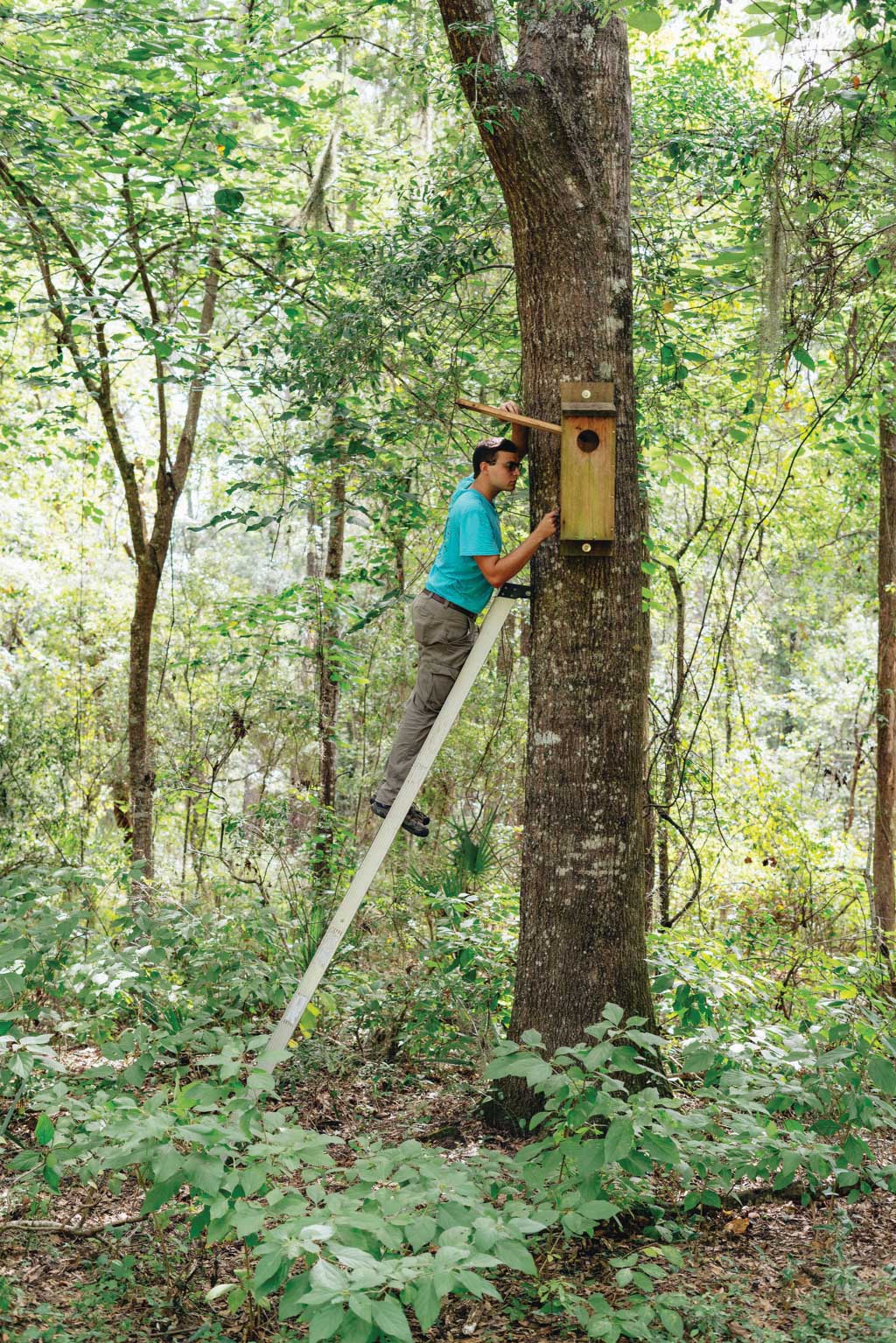
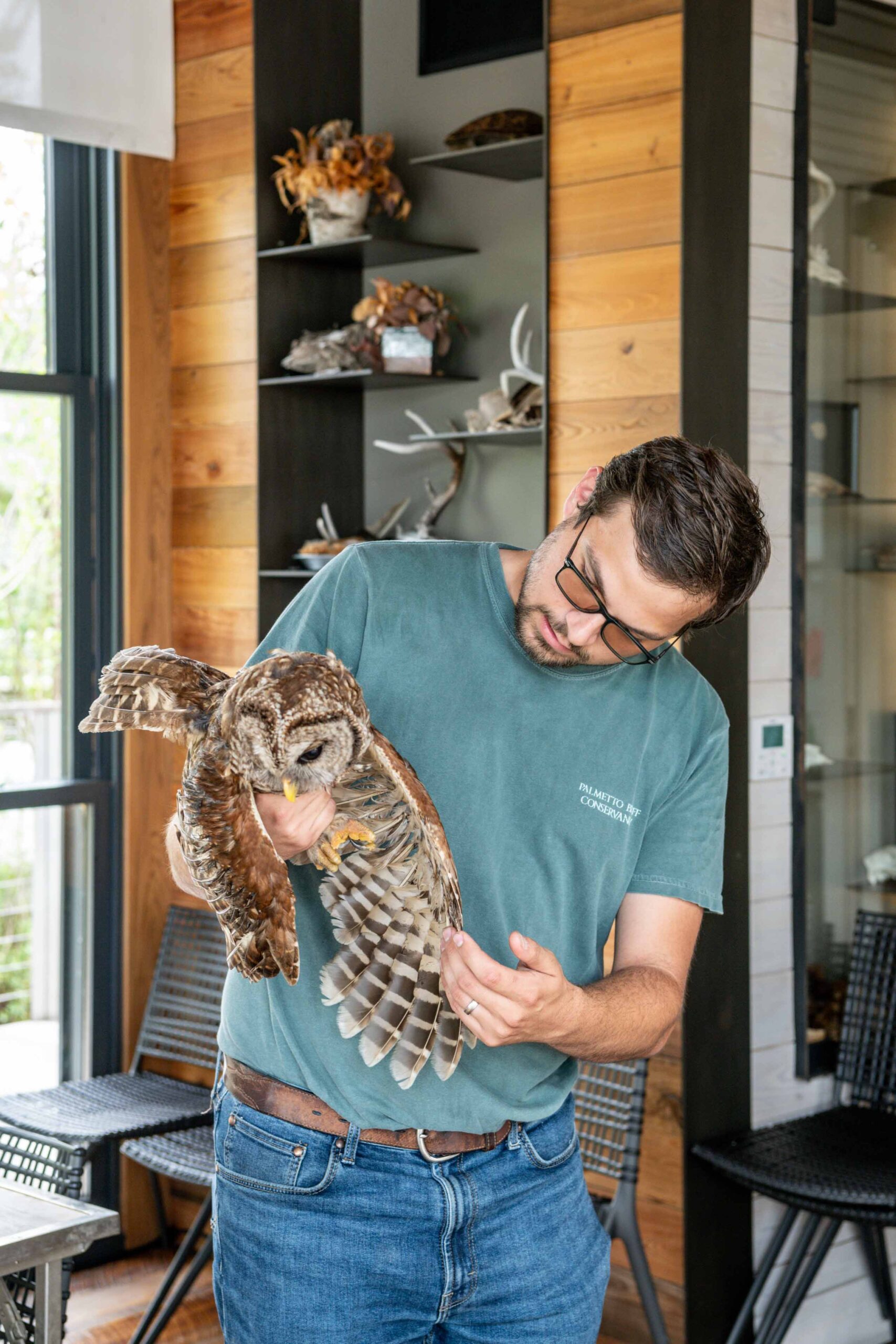
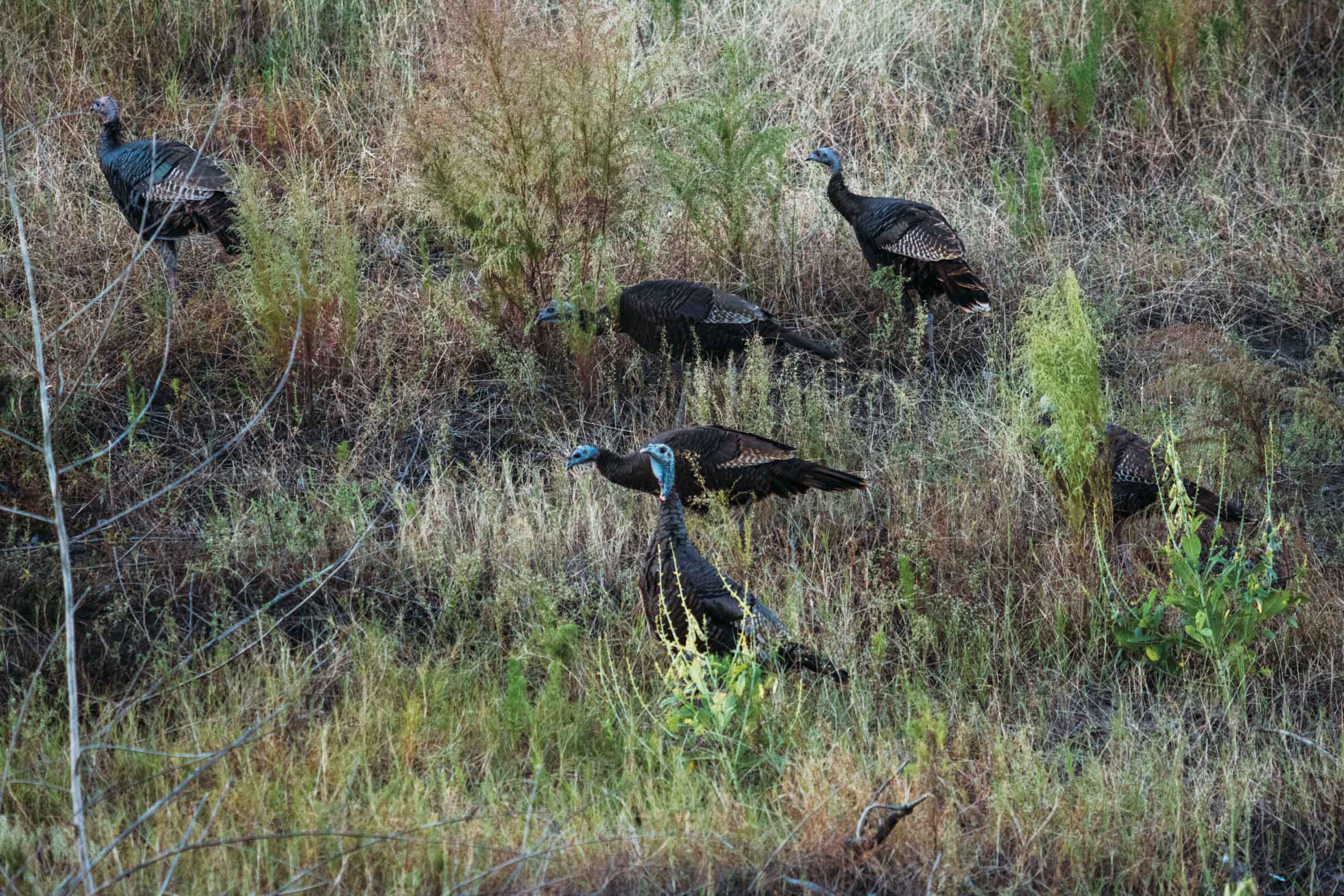
Here is where the underrated aspect comes into play. These lagoons are biologically thriving, much more so than most realize. As the land and wildlife manager for the Palmetto Bluff Conservancy, I relay this information to people constantly and let them know that the lagoon systems are an amenity for wildlife and also for human enjoyment. I can say from experience that these lagoons have some of the best fishing anywhere. A nature nerd like me can spend hours with a pair of binoculars watching wildlife. Land-based mammals and multitudes of birds, reptiles, and inexperienced kayakers visit these lagoons daily and are a source of great entertainment. All of these things can be enjoyed alone or with friends, no scheduling required. The only thing one must do is show up!
Aside from the fun and beauty that can be found on these lagoons, the Palmetto Bluff Conservancy can utilize these spaces as grounds for environmental research, outreach, education, and land and wildlife management. On rare occasions, we can combine all of these aspects into one event and the outcome is magic. Our Turtle Mark and Recapture project is a prime example of this. This program, when boiled down, involves capturing turtles, marking their shells, and releasing them. This is the research aspect. We take property owners and guests along for the ride—a great bonding experience that also checks off our goals for outreach and education. Now that we have data on our turtles and a small militia of folks who love the turtles as much as we do, we can put forth land and wildlife management techniques that benefit all involved. Magic!
How are the turtles captured? Fortunately for us, turtles are not that difficult to trap. Since they are cold-blooded reptiles, direct sunlight is required so they can warm their bodies. That warmth permits food to digest and relaxes capillaries to allow blood flow. We set basking traps and use their sunlight requirements to our advantage. A basking trap is a partially submerged box with ramps on all four sides that lead to the opening at the top. Turtles climb the ramps and use them as a basking platform. When they want to return to the water, they find it unnatural to back off the ramp. Instead, they push up the ramp and fall into the box, where we can retrieve them.
Marking and data gathering are the next steps in the process. We have a long checklist of things we are looking for with each turtle, and we like to have our guests volunteer in the data gathering process. The first item on the checklist is identifying the species. Yellow-bellied slider (Trachemys scripta scripta) is the most common freshwater turtle species in Palmetto Bluff. For each turtle, we measure the length and width of the carapace and the plastron. A carapace is the top of the “shell” and the plastron is the bottom. The weight is then measured. These physical characteristics will allow us to measure growth rates should that turtle be recaptured at a later date. After this, we determine the sex. This is accomplished by measuring length of tails and toenails. The male’s will be nearly twice as long as the female’s. The long toenails of the male slider are used in attracting mates. One might think they would aid in fighting other males, but this is not the case. When a male sees a lady he is interested in, he will position himself in front of the female, outstretch his front legs, and wiggle the nails around in a rolling, waving fashion. He is basically waving at her with both hands as if to say “Hello darlin’. Do you like what you see?” Google it if you find yourself in disbelief.…
When we catch a female, we determine if she is carrying eggs. This is done by gently reaching into the carapace ahead of the back legs. If she has eggs, they can be felt readily. After the details have been gathered, we can mark the turtle.
Marking is actually more like naming. Imagine you are looking down onto the back of a turtle. Its carapace appears to be made of lots of small boney plates that fit perfectly together. It is and they do. These plates are referred to as “scutes.” The scutes on the outermost part of the carapace are known as marginal scutes and each has a corresponding letter. By picking a unique group of these scutes and marking them with a file, we can name each turtle. No, this does not hurt the turtle. The process is comparable to clipping fingernails.
Next comes the best part: releasing the turtle. As the turtle races back to the water and eventually plunges below the surface, fully mature humans can be seen hopping up and down, clapping their hands, and squealing like kids on the playground. This is an involuntary reflex for humans that is rarely witnessed. Outreach and education can now be checked off our list of goals. The genuine smiles of our guests ensure that we have given them a memory, a tie to the land they live on, and a greater appreciation for turtles and their surroundings.
If these same turtles are recaptured in the future, we can calculate population size and growth. Recaptures also provide us with growth rates and dispersion on an individual level.
Recaptures are exciting and very rare. This indicates that Palmetto Bluff has a thriving, expansive turtle population and a healthy, productive lagoon habitat. The Turtle Mark and Recapture Program on Palmetto Bluff has developed an enormous following over the years and is a special event in every aspect. Research, education, management, and fun are all rolled into a few hours. Few events anywhere can produce these fruits. The Conservancy invites you to join in on the fun, but act quickly. The sign-up list for this event fills in a matter of hours.
TUTRLE MYTHS DEBUNKED
Turtles are slow.
This is absolutely not true. While they are awkward and clumsy on land, they can still move quickly in short bursts. If you don’t believe it, try to catch one!
Turtles are “easy” pets.
Pet turtles are a huge commitment. Their tanks must be cleaned regularly, or they will begin to smell and can become a breeding ground for salmonella. Also, most species of turtle live for 20 years. Some can live more than 100.
Turtles can live without their shells.
Turtle shells are connected to their bodies by skin, muscle, and bone. No turtle species can be removed from their shells and live.
By: Justin Hardy
Photography by: Allen Kennedy & Krisztian%GALLERY%