How the Palmetto Bluff Conservancy Protects 20,000 Acres of Lowcountry Land Every Day
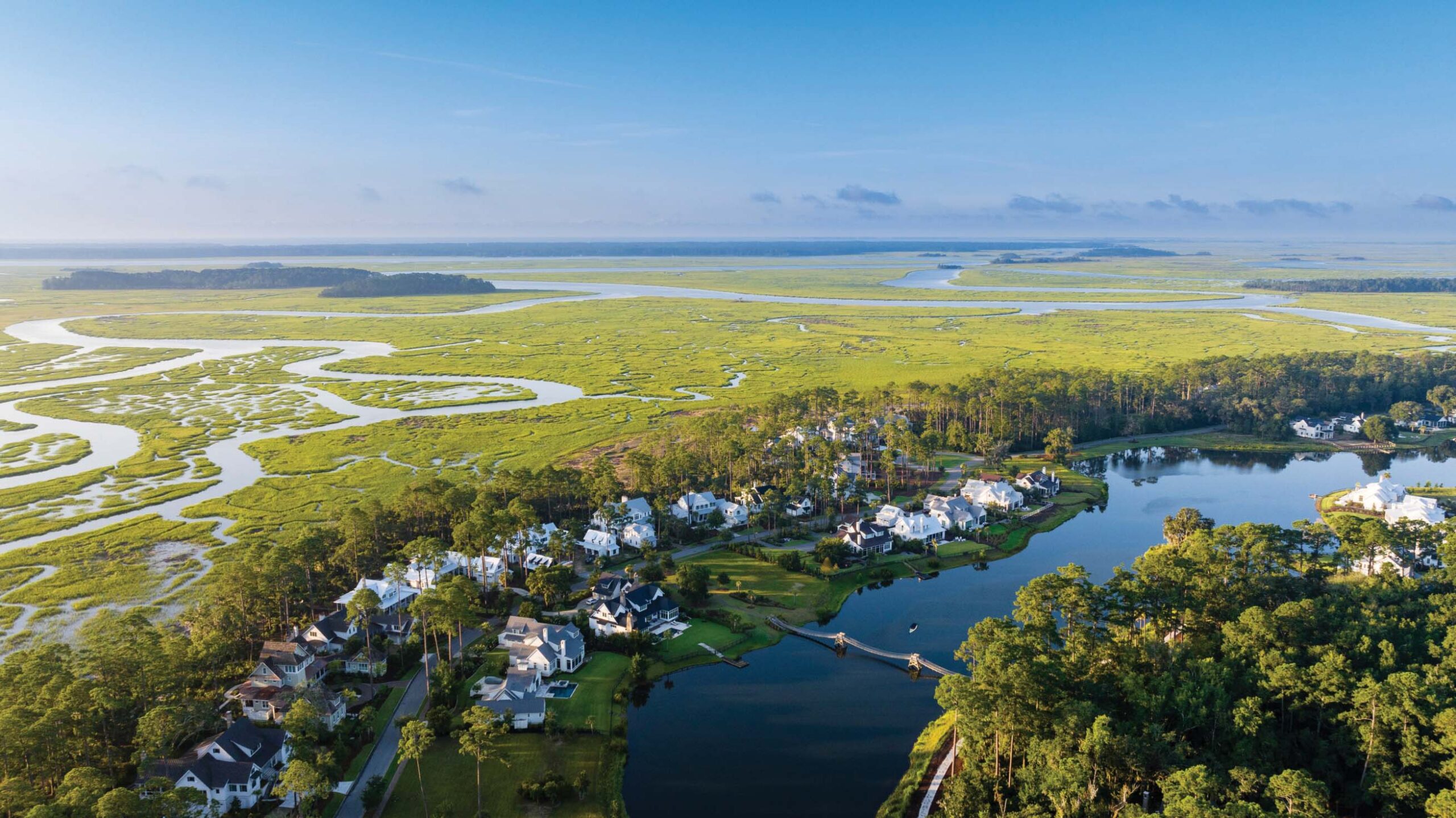
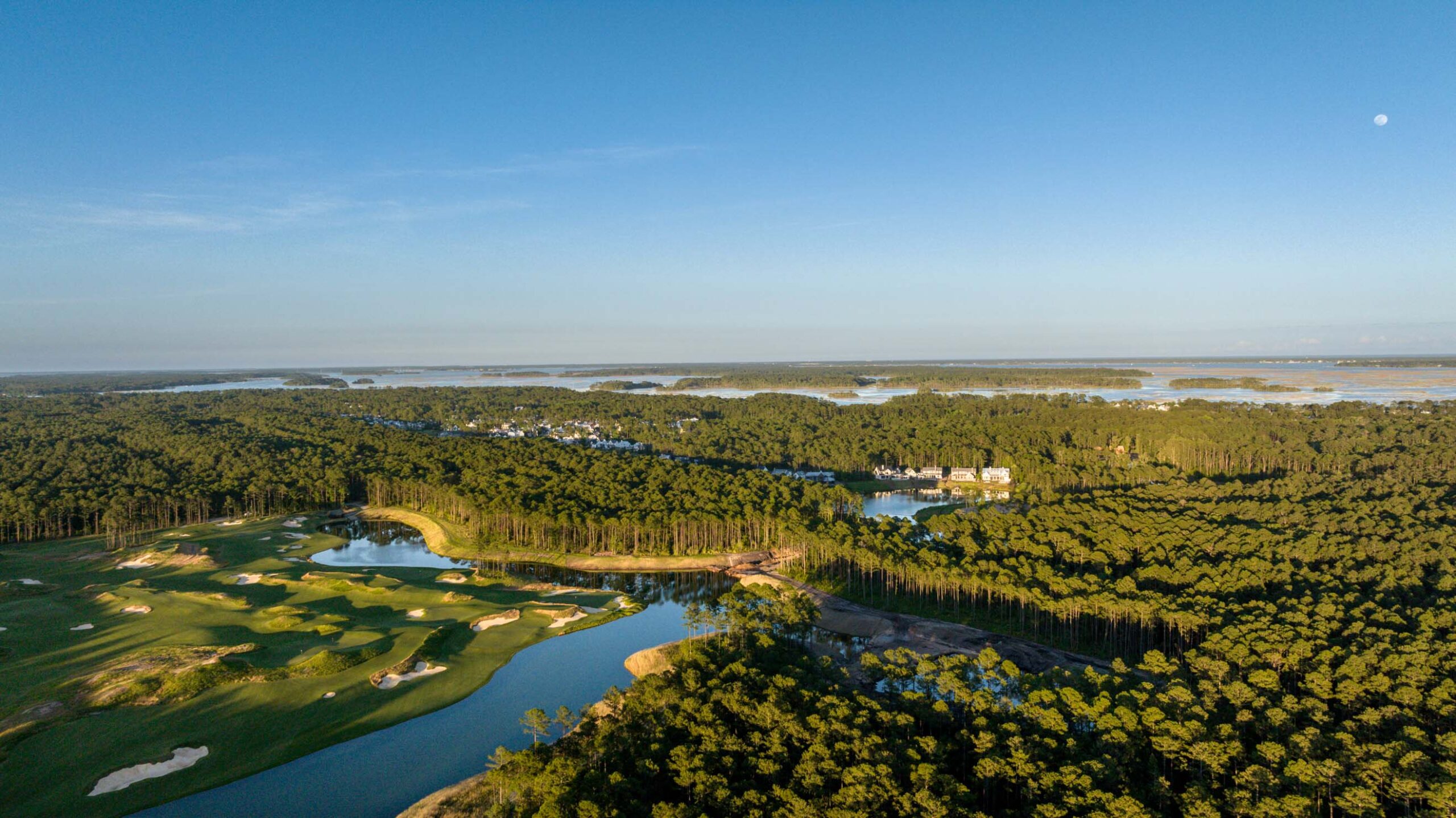
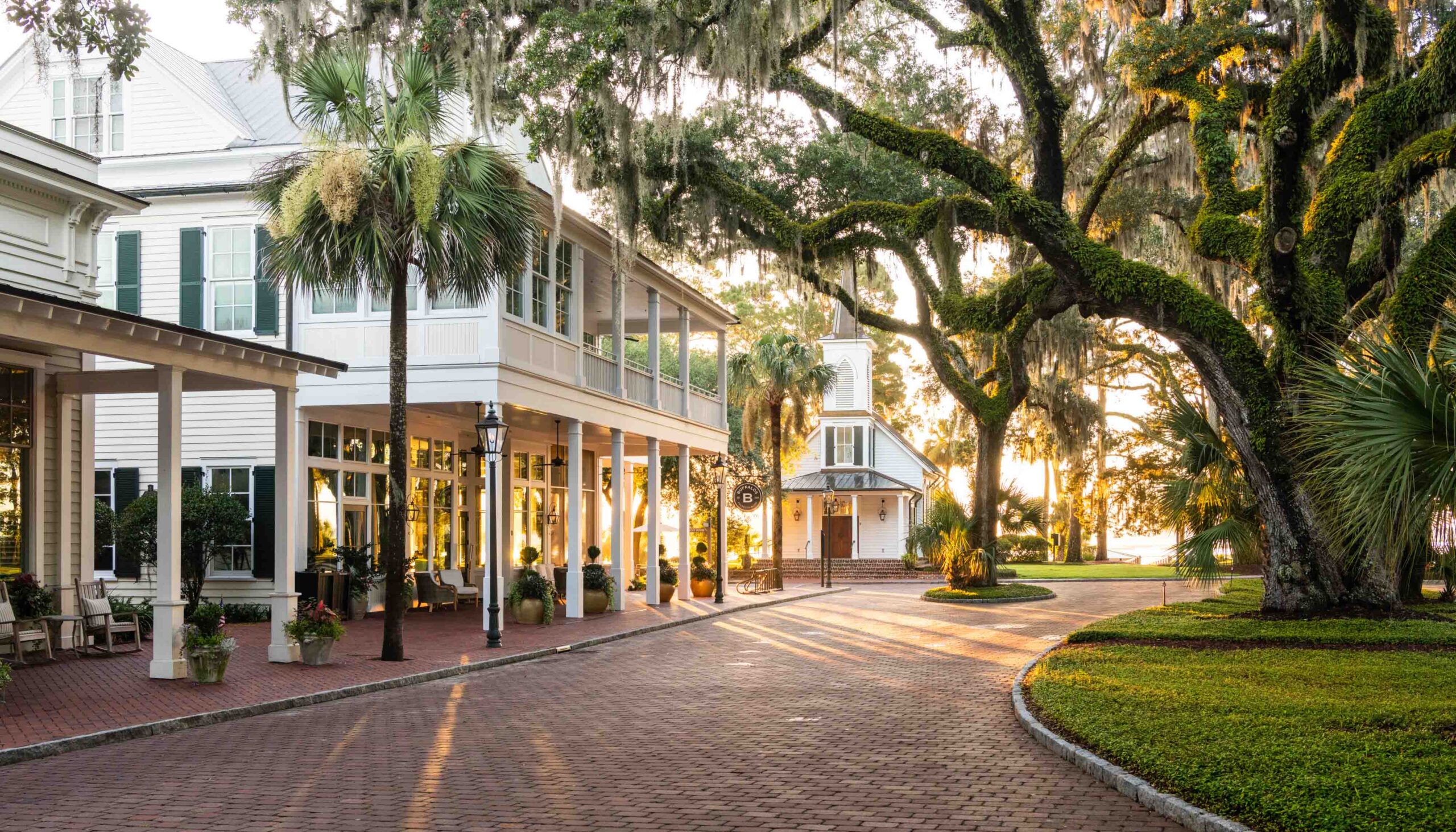
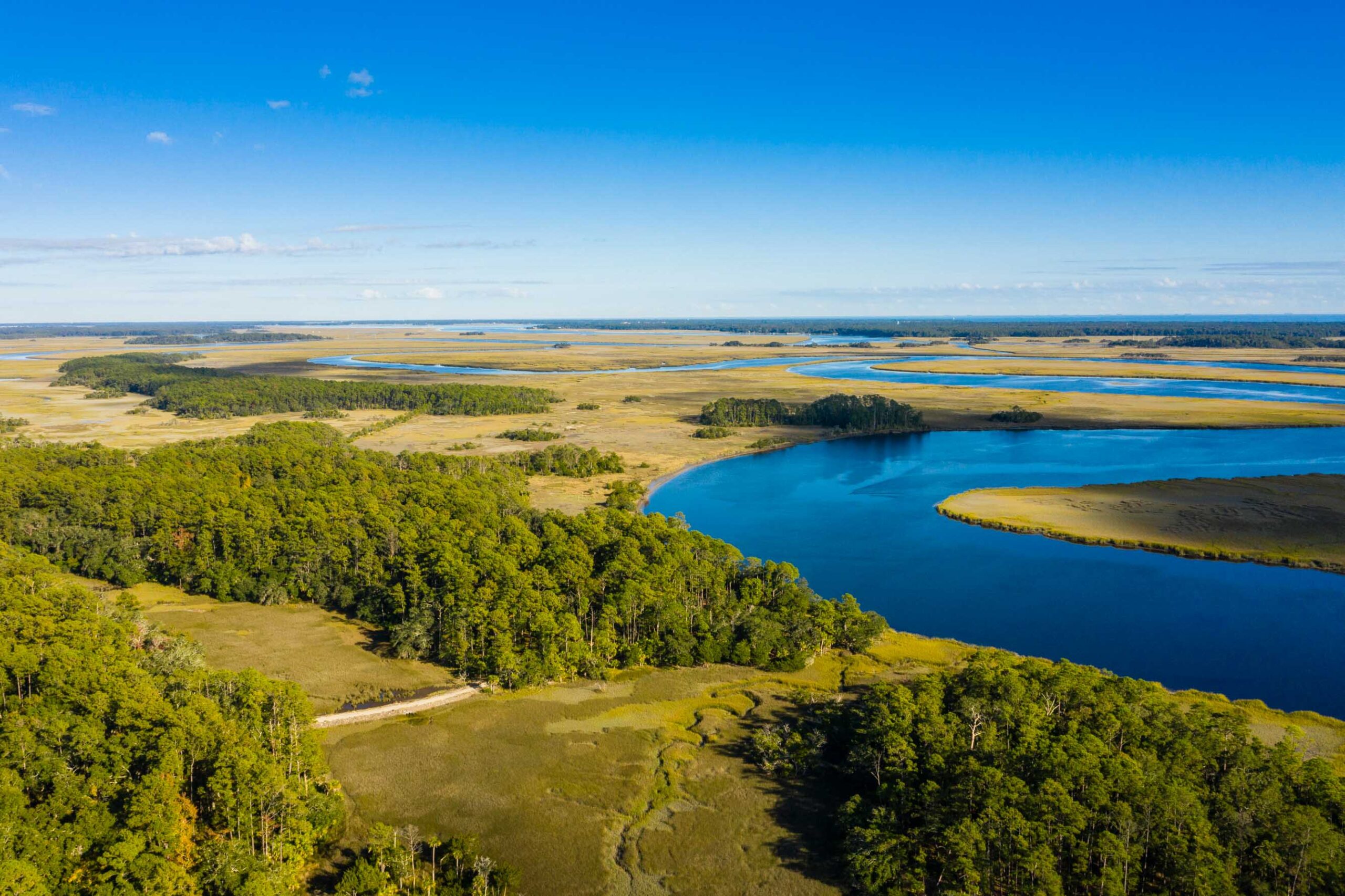
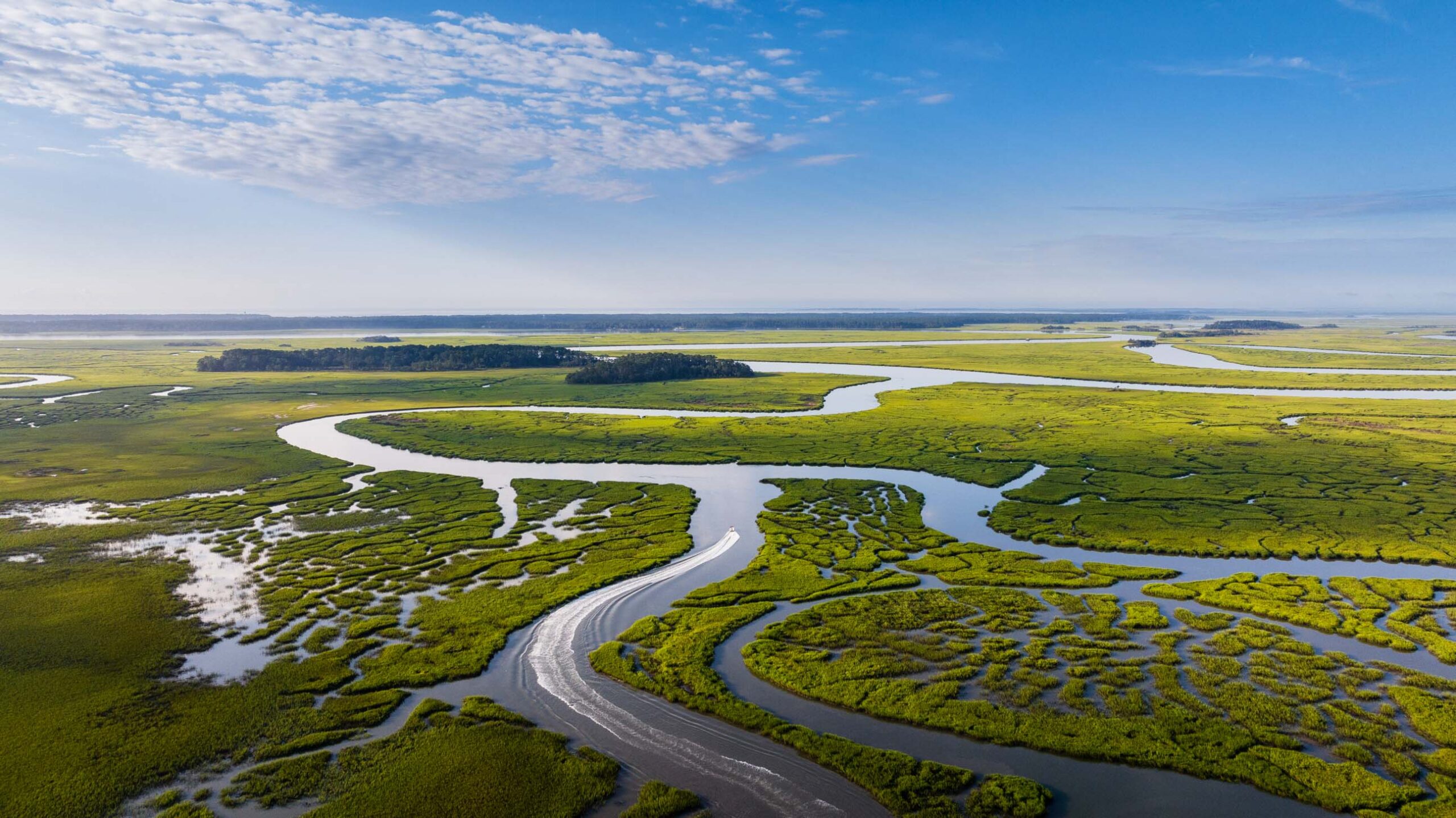
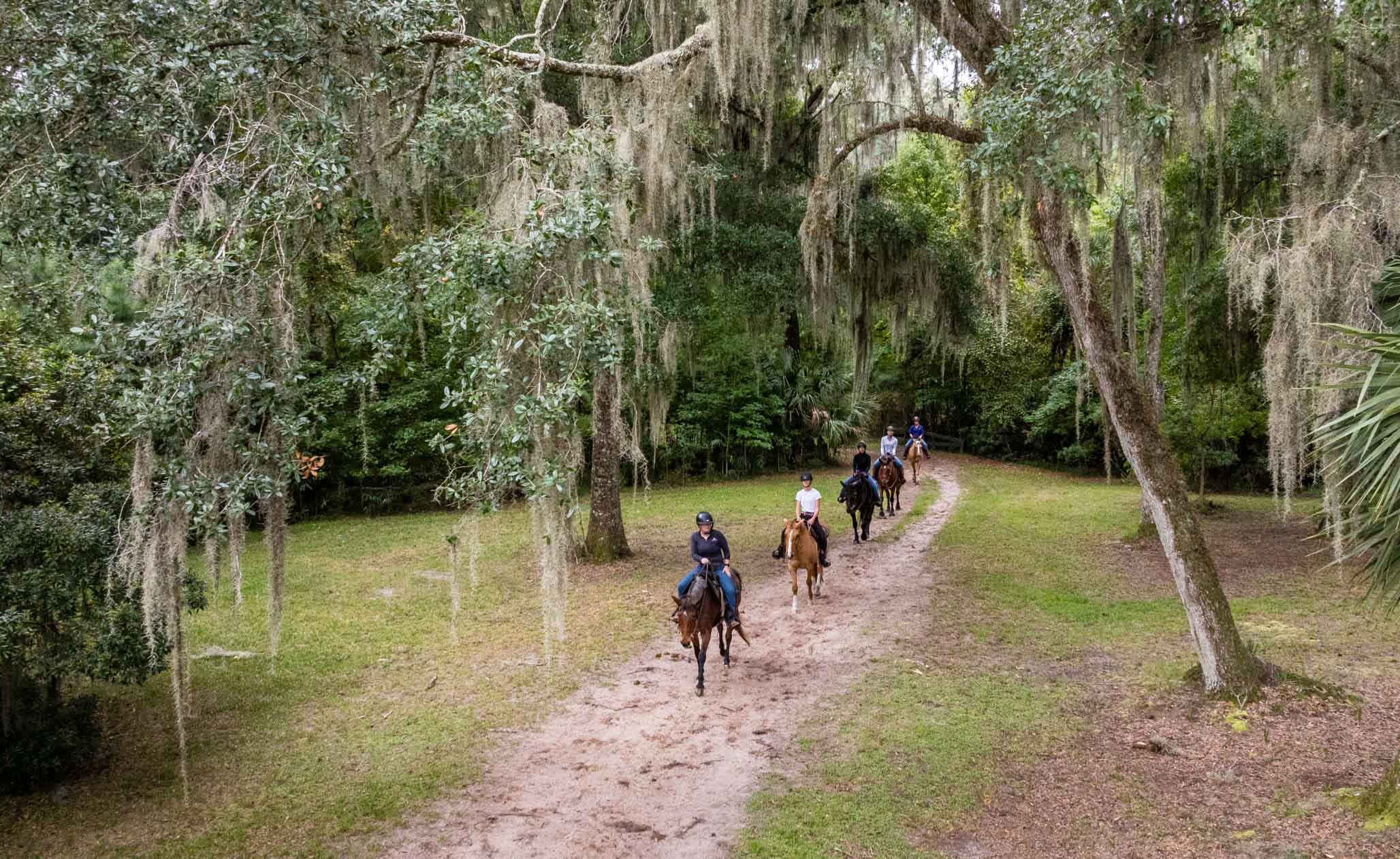
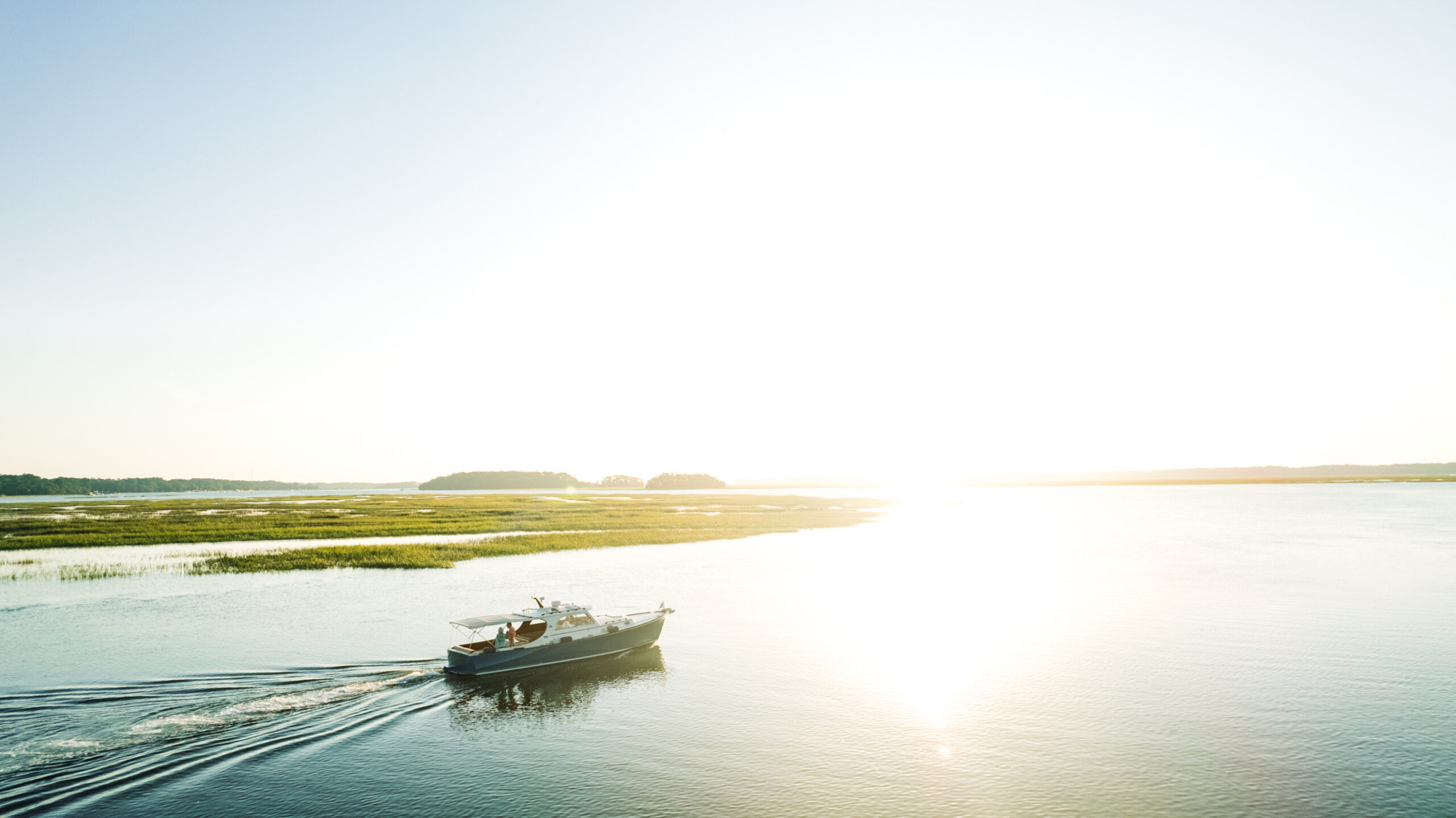
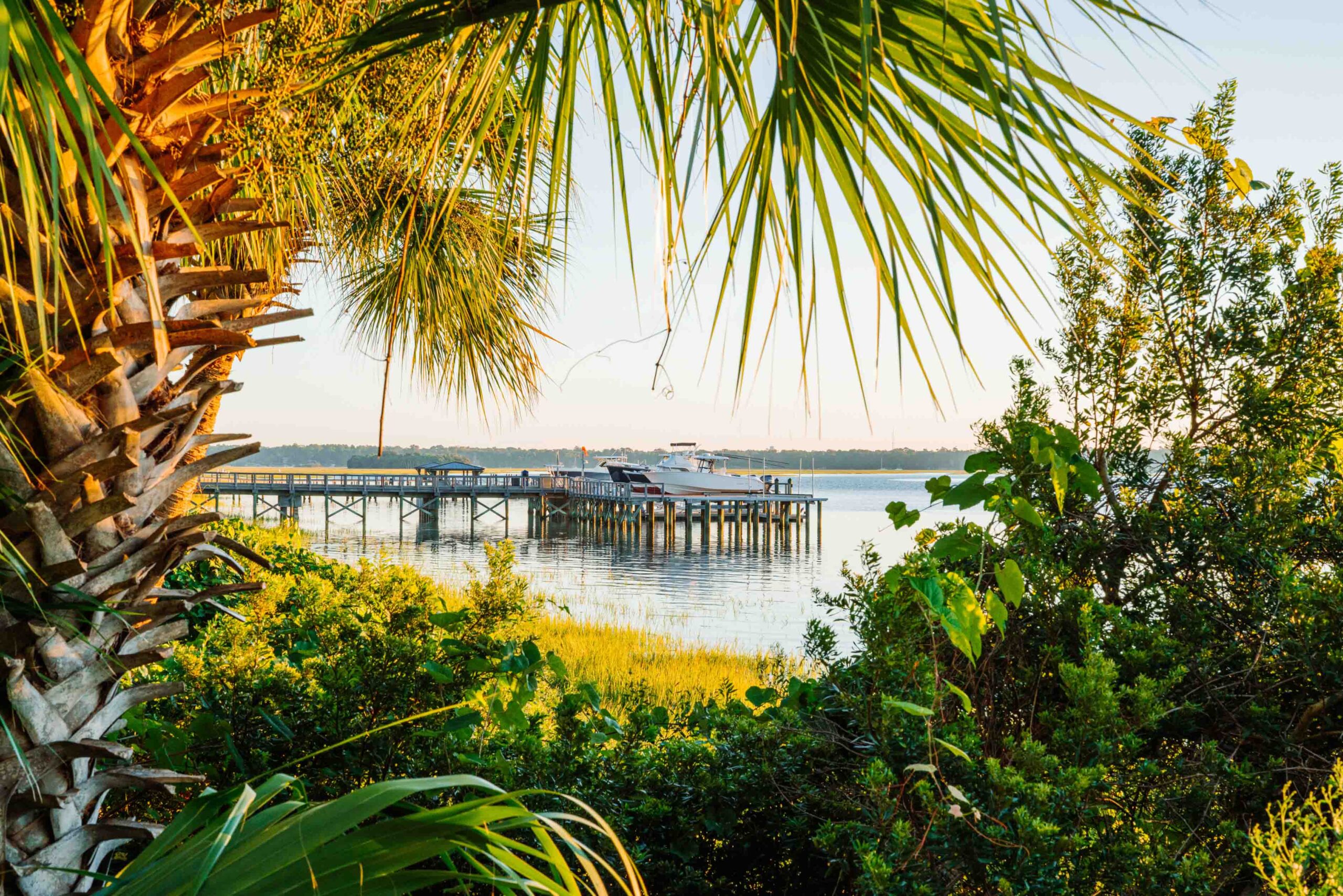
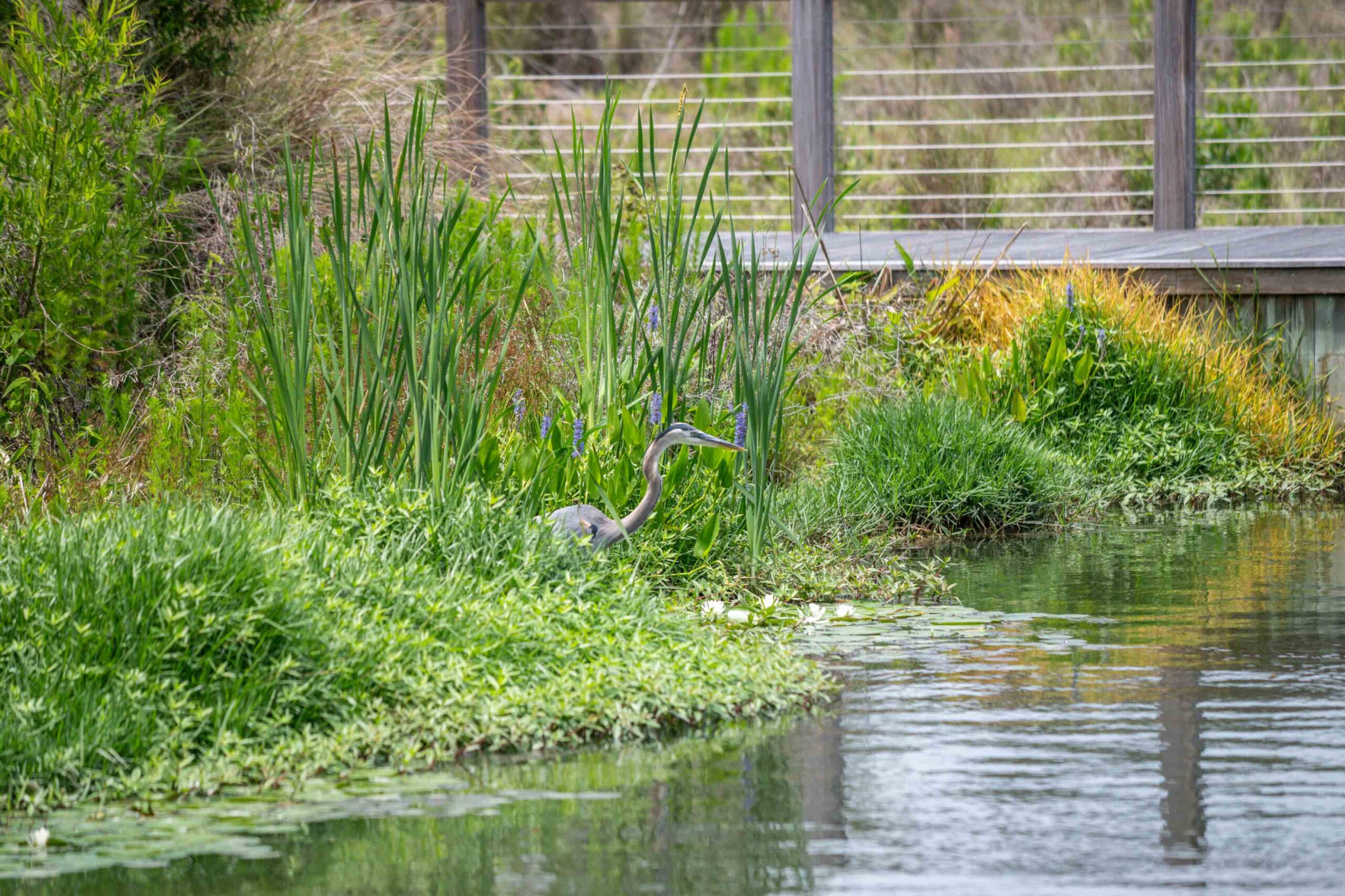
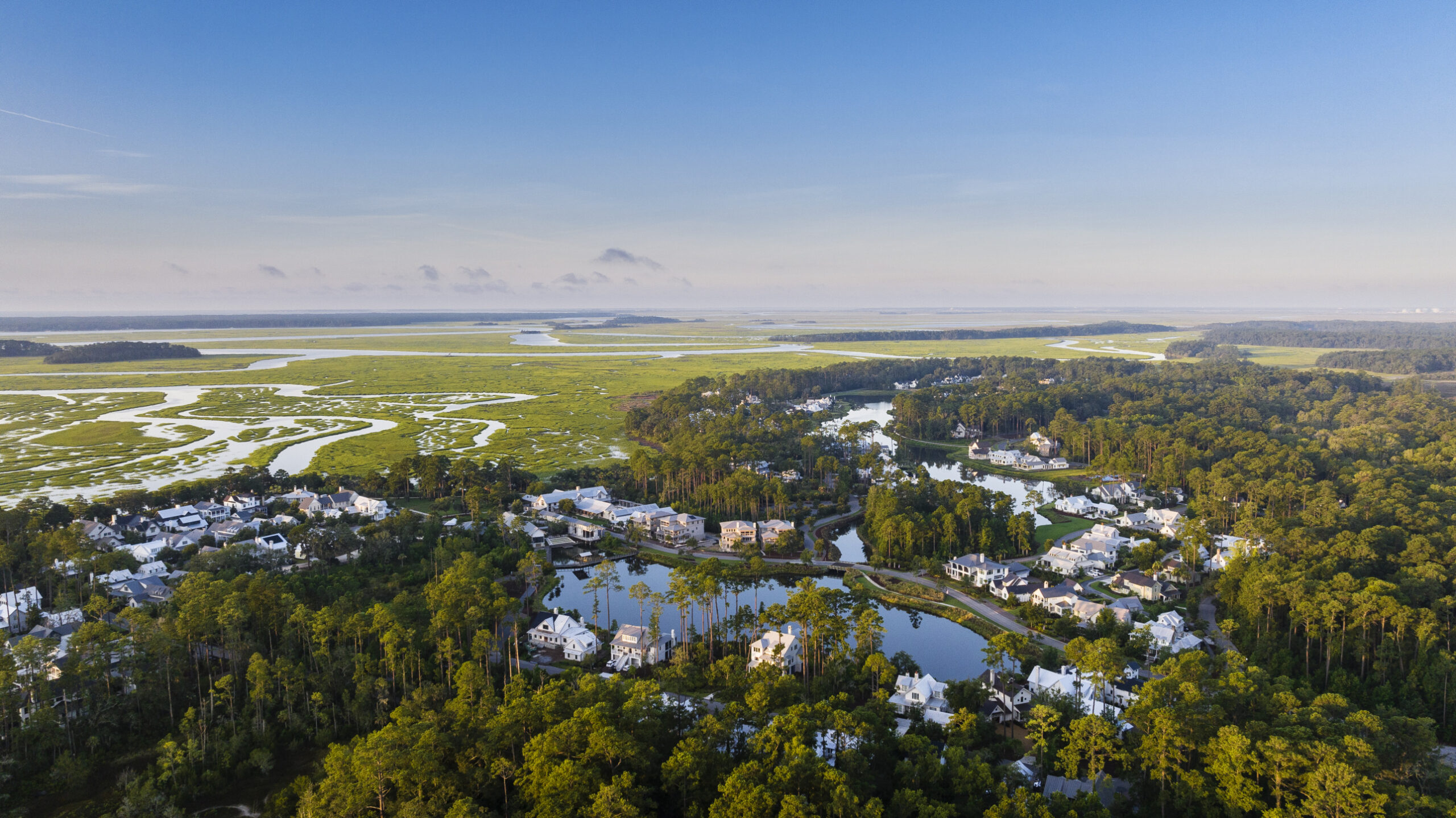
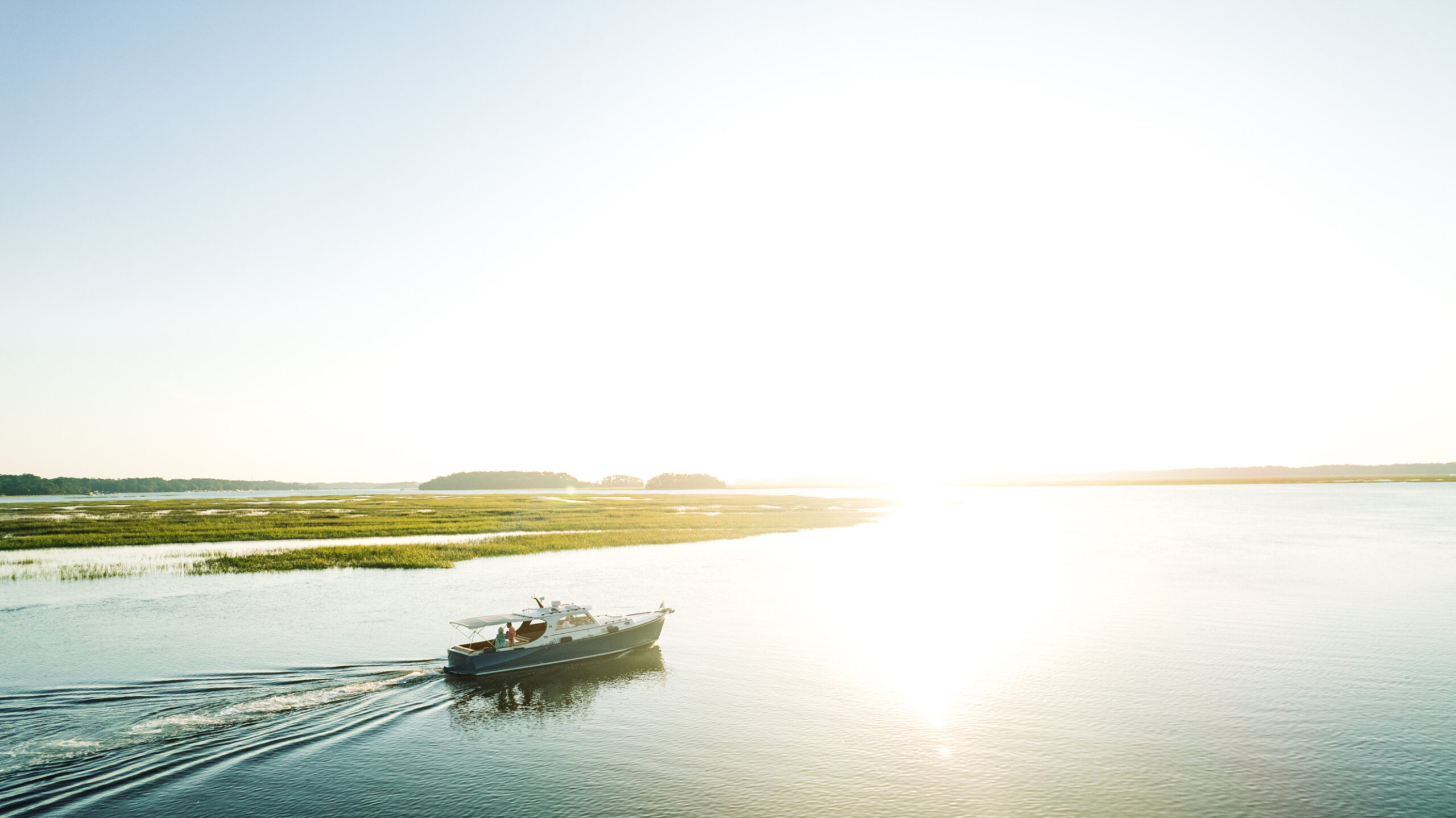
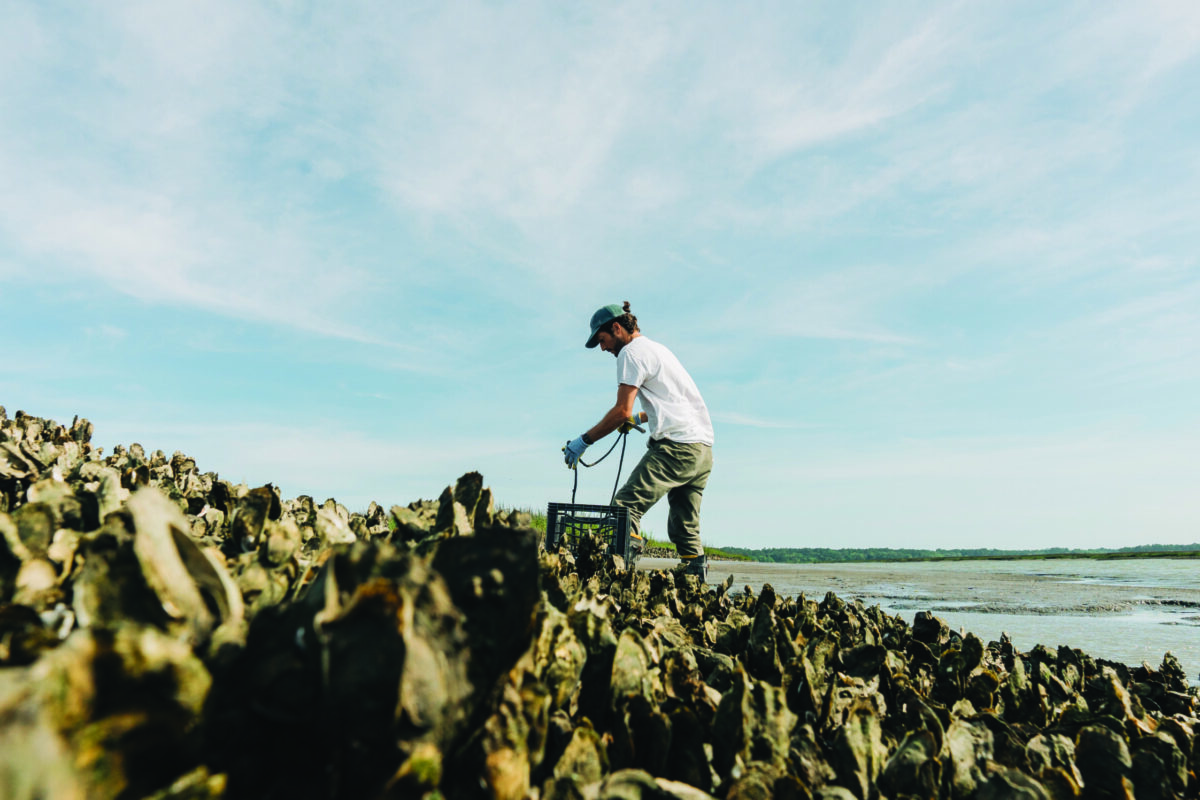
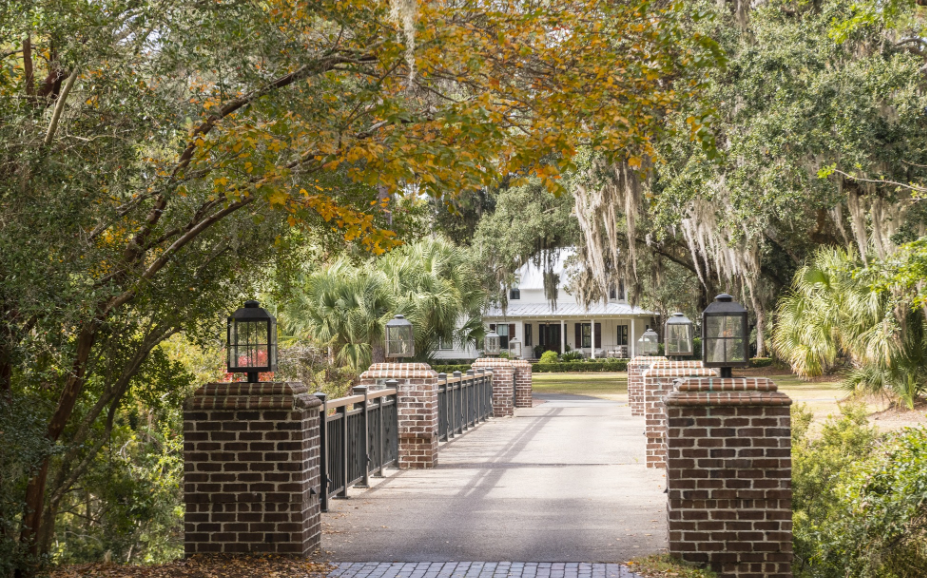
Set at the confluence of the May, Cooper, and New Rivers in South Carolina’s Lowcountry, Palmetto Bluff spans 20,000 acres of some of the most ecologically rich land on the East Coast. Ancient maritime forests draped in Spanish moss give way to canopied live oaks and expansive salt marshes that shift from jade to gold with seasons. Winding tidal creeks guided dolphins in from the river while bald eagles traced slow circles overhead.
This is more than scenery; it is a thriving ecosystem that has been vital to this part of the Lowcountry for centuries. Today, this land is managed by the Palmetto Bluff Conservancy– a 501(c)(3) nonprofit founded in 2003 to steward the land, water, wetlands, and cultural heritage of the Bluff for present and future generations.
From the beginning, Palmetto Bluff has been guided by a “land first” ethos—one that is woven into every aspect of the community. Bringing this vision to life is the Conservancy team, whose work spans land and wildlife management, education and outreach, research, and the preservation of the Bluff’s rich history.
Spring at the Bluff: the Conservancy Team’s Most Visible Season
Spring arrives early in the Lowcountry, and when it does, the Bluff comes alive. Northern parulas return as early as March, followed by painted buntings, summer tanagers, wood storks, and the first shorebirds of the season. Alligators move from their winter torpor, and wild turkey hens begin to nest in the upland pine terrain. The forest floor, still open from winter prescribed burns, carpets itself in native wildflowers.
For the Conservancy team, spring is one of the most active periods of the year, both in the field and in the classroom. A full calendar of programming runs throughout the year, featuring a range of learning experiences for Palmetto Bluff residents and the public. A sample of recent spring programming includes:
-
- Spring migration bird walks led by naturalists through maritime forest habitats
- Prescribed burn site tours, where guests walk recently managed stands and learn why fire is foundational to Lowcountry ecosystems
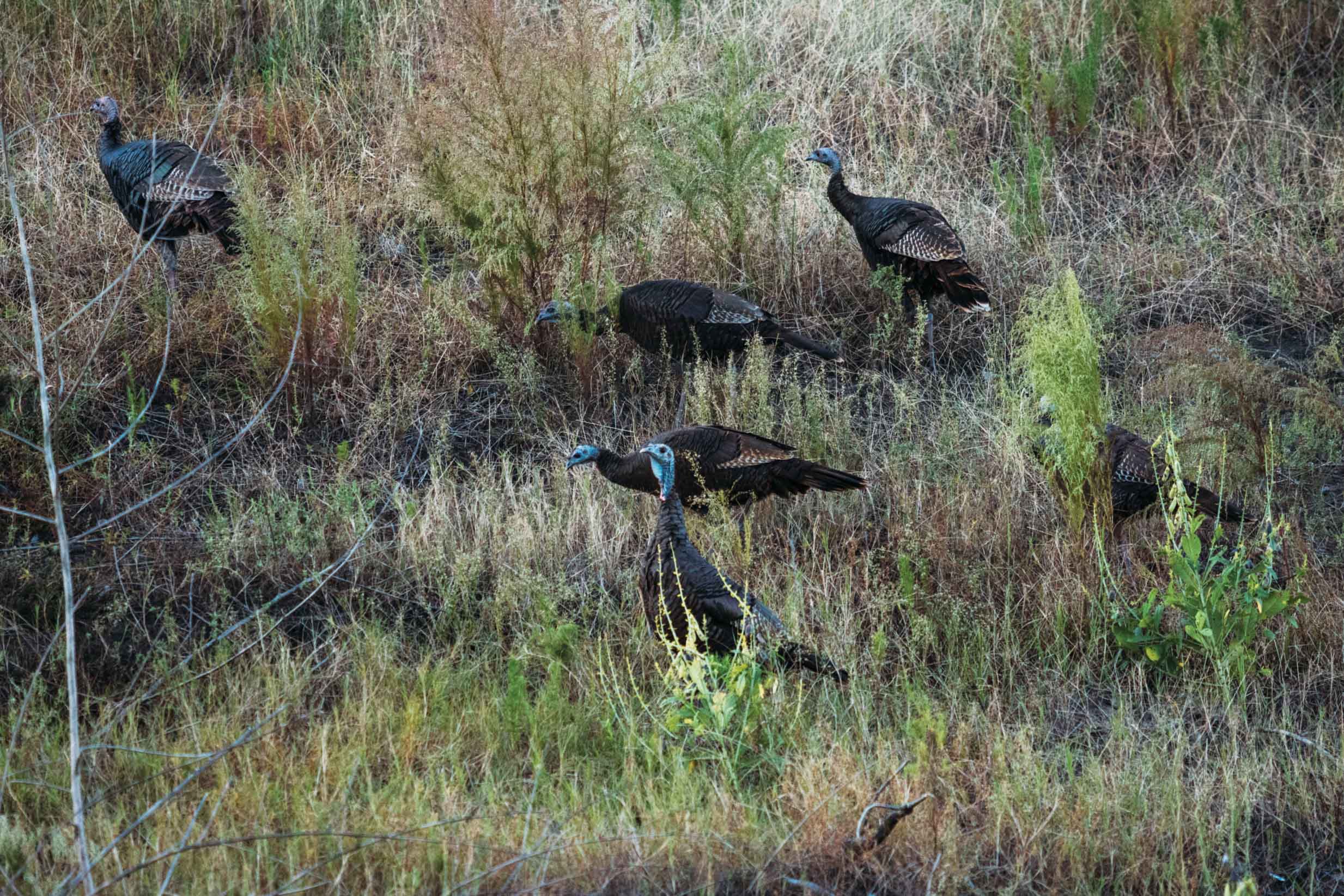
- Wild turkey tracking experiences built around the Bluff’s keystone species
- Explore PBC excursions traversing the full length of the property, from the northern Headwaters Nature Trail to Anson Village in the south
- FeederWatch citizen science sessions at the Conservancy’s bird feeders are open to the public
- Pollinator garden volunteer days, naturalist camps for children, and monthly photography contests
Most events are free and open to the public. The spring calendar is published on the Conservancy Events page, and a monthly newsletter delivers upcoming programs directly to subscribers.
Land and Wildlife Management: Happy Turkeys, Happy Life
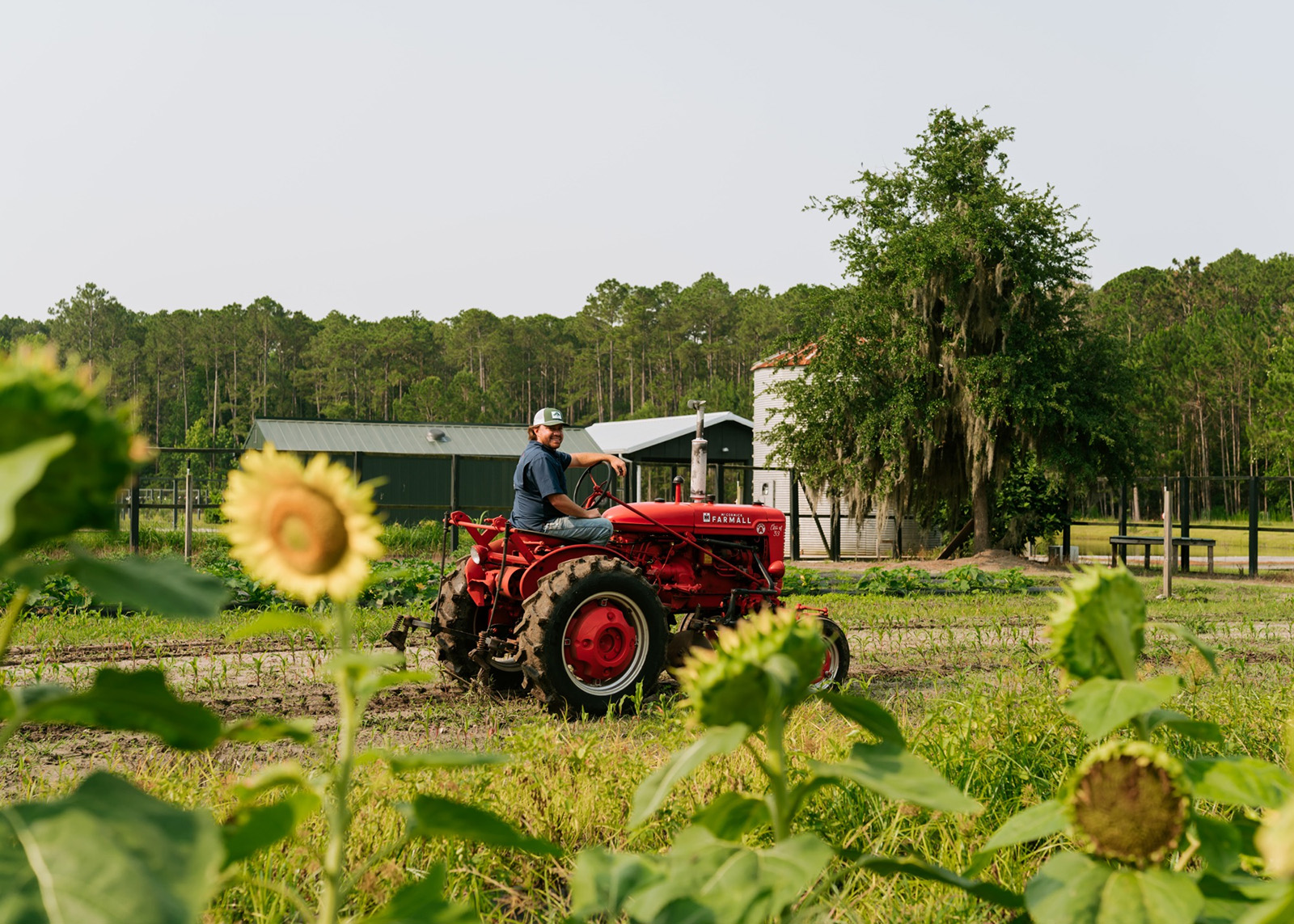
The Bluff has been actively managed for timber, agriculture, and wildlife for hundreds of years. That tradition continues today under the direction of Land and Wildlife Manager Brian Byrne, whose team works across conservation areas, nature preserves, wetlands, and pre-development corridors that most residents and visitors never reach.
The work follows the seasons:
-
- Winter: Prescribed fire management—controlled burns open the forest floor to sunlight, regenerate native understory plants, and benefit every species in the ecosystem
- Spring and Summer: Early successional management—planting wildlife food plots and improving timber stands to maximize forage and cover for native species
- Fall: Herd management through spotlight surveys and trail camera monitoring to keep deer and other populations within the land’s carrying capacity
- Year-round: Feral hog management, a persistent challenge given that feral pigs are the most destructive non-native mammal in the Southeast
Land and Wildlife Management efforts are organized around a single species: the eastern wild turkey. As the team puts it, if the turkey thrives, everything thrives. Turkey management benefits almost every Lowcountry species, making it the most reliable indicator of overall ecosystem health. Additionally, water quality is monitored across all 20,000-plus acres in partnership with the University of South Carolina Beaufort, which monitors all inland waterways and lagoons.
Ecological Research: Science in the Field
The Conservancy runs an active year-round Ecological Research program that spans PhD-level scientific surveys and accessible citizen science projects. Current and ongoing studies include:
-
- Small mammal communities
- Biodiversity of sensitive species and landscape-level changes
- Monitoring bat populations
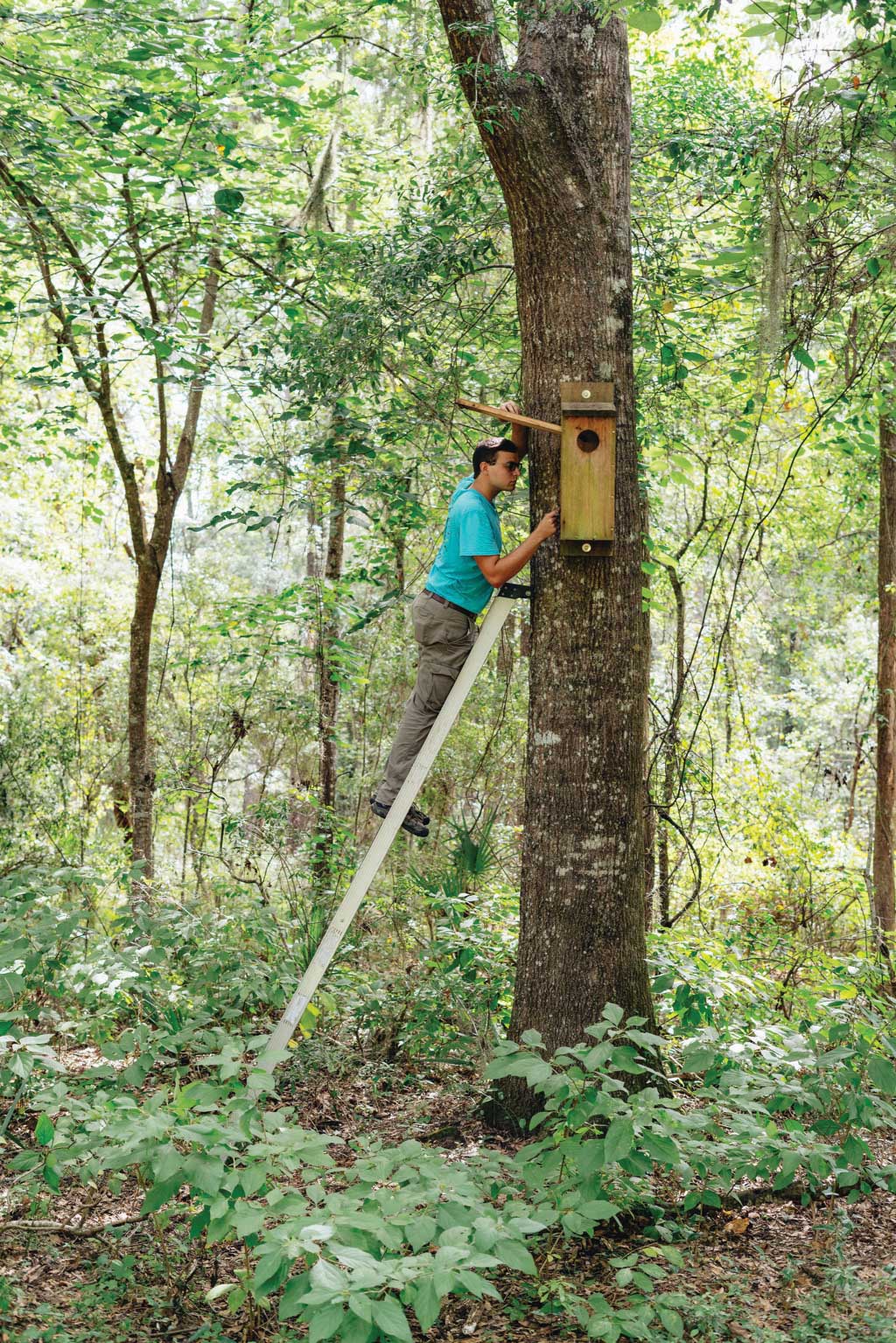
- Nesting success in bluebird nest boxes
Programs like FeederWatch—led by Education and Outreach Manager Aaron Palmieri—invite residents and visitors to participate in live monitoring sessions, contributing real data to national citizen science databases while learning to identify species with the Conservancy’s scientists.
Education and Outreach: 300+ Programs a Year
Education and Outreach supports each pillar of the Conservancy’s work. With more than 300 lectures, tours, hikes, and seminars offered annually, the Conservancy makes the science of the Lowcountry accessible to everyone, from longtime residents to first-time visitors.
Programming is designed to meet people at every comfort level:
-
- Brown Bag Lunches and First Friday Lectures covering ecology, wildlife, and local history, available in person and via Zoom
- Guided hikes and Explore PBC excursions through the property’s most distinctive habitats
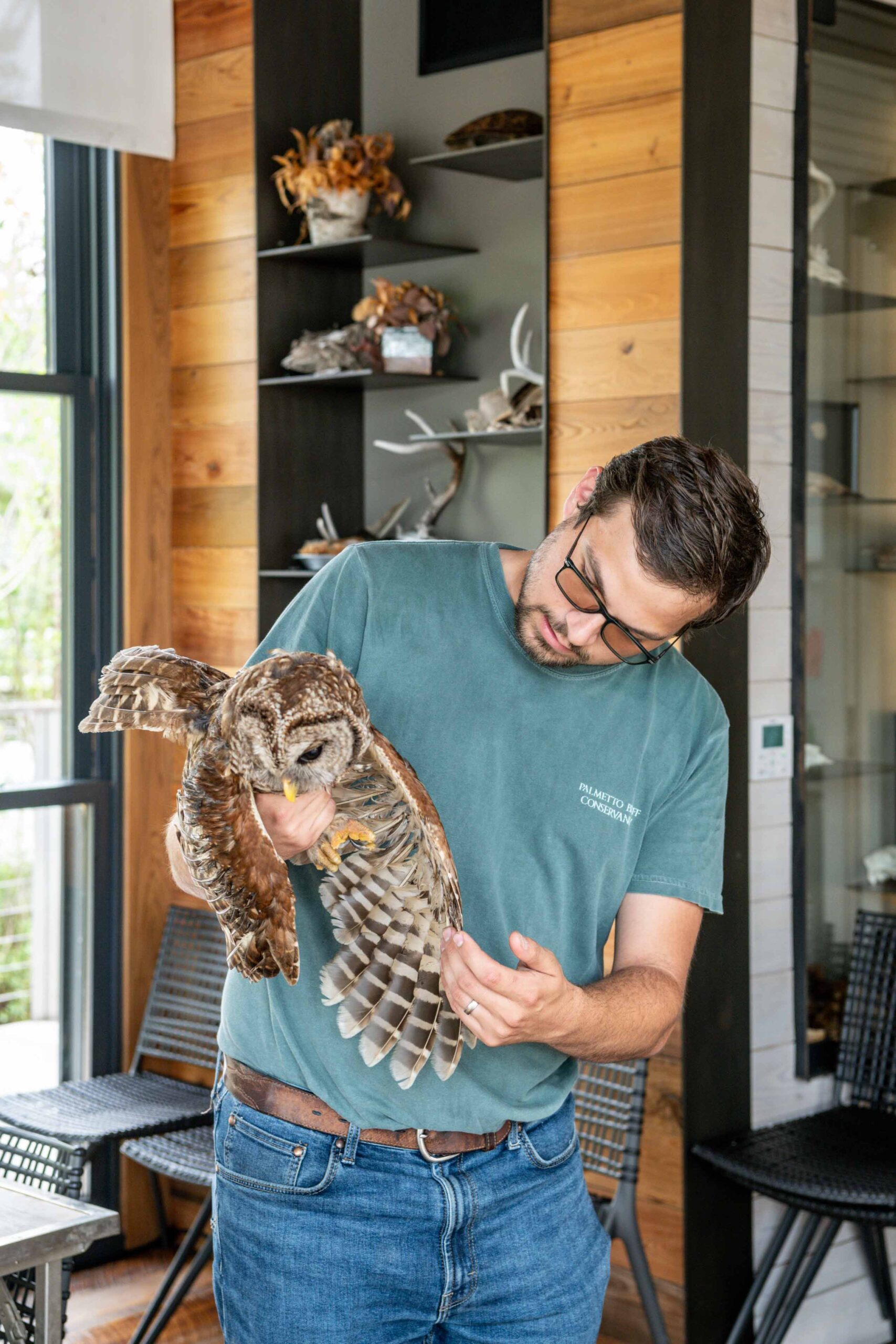
- Owl and plant walks, and nature craft programs that use the landscape as a classroom
- Naturalist camps for children during school breaks
- A monthly photography contest celebrating native flora and fauna, judged by the Conservancy team
Aaron Palmieri, who began as a Conservancy intern monitoring bald eagle nests in 2012 and now leads education and outreach, brings the same energy to a bird walk as to a graduate-level ecological survey. The Conservancy believes understanding the land creates a desire to protect it, and that relationship begins with curiosity.
History and Archaeology: 12,000 Years of Human Presence
Palmetto Bluff has been home to people for more than 12,000 years. The oldest artifact recovered on the property is a Paleoindian stone projectile point from the end of the Ice Age, a time when mastodons still roamed South Carolina, and the coastline stretched 50 miles farther east than it does today.
History and Archaeology are actively studied and preserved by Conservancy Archaeologist Katie Epps, who worked at the Bluff as a contract archaeologist from 2004 to 2008 and rejoined the team in 2021. Her work includes:
-
- Maintaining and restoring 12 historic cemeteries on the property, none of which have been excavated
- Conserving metal artifacts recovered from archaeological sites across the 20,000 acres
- Researching historical documents and analyzing artifacts from the Bluff’s rich history
- Leading cemetery walks and archaeology programs open to residents and guests
The cemeteries hold special significance—not only for archaeological research, but also for educating both residents and visitors. Preserving these sacred spaces is not just about maintaining monuments; it’s about keeping history alive and allowing the present to learn from the past.
What Conservation Means For Palmetto Bluff Residents
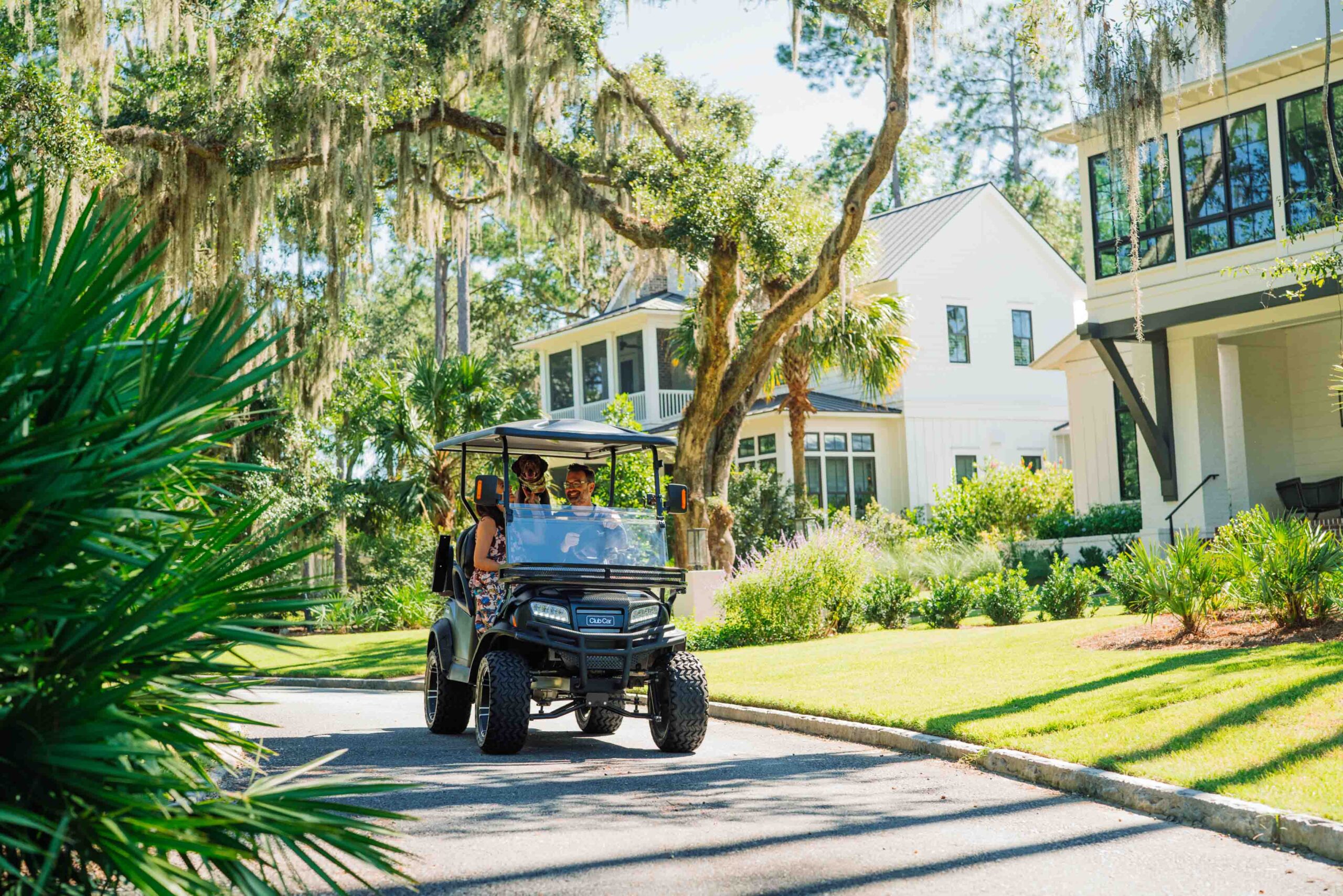
The Conservancy works alongside developers, builders, and homeowners at every stage of the property’s evolution. Staff review building plans, help stake out lots with ecological sensitivity in mind, and educate residents about the habitats they share. Unlike a one-time consideration made at the permitting stage, this relationship between the built environment and the natural one is active and ongoing.
For prospective buyers, the Conservancy represents something that neither landscaping nor proximity to a park can replicate: a deep and continuous commitment to the land itself. Every home sale at Palmetto Bluff funds a nonprofit organization dedicated to conserving the natural resources surrounding it.
Find Your Place in Palmetto Bluff
Life at Palmetto Bluff means living within one of the most actively stewarded landscapes in the Southeast. The bald eagles still nest. The wild turkeys still move through the upland pines at dusk. The continuity is not an accident; it is the result of daily, deliberate work by a team that has made stewardship their life’s work. Explore available properties and discover what it means to call this place home.