It’s one o’clock on a balmy July day, and I’m thinking about how comfortable the temperature is.
Just kidding. This is July in South Carolina after all. And heat is no stranger.
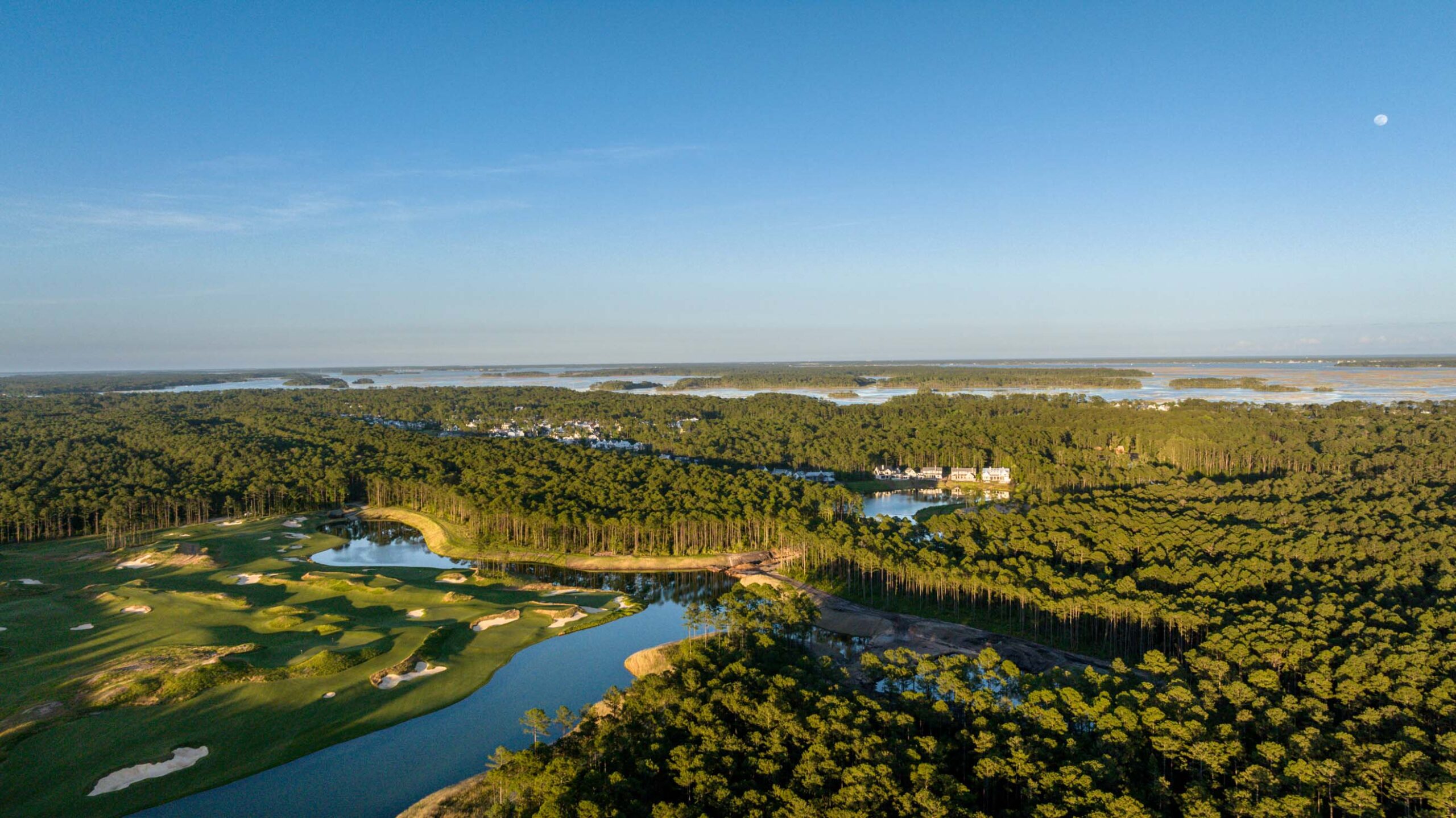
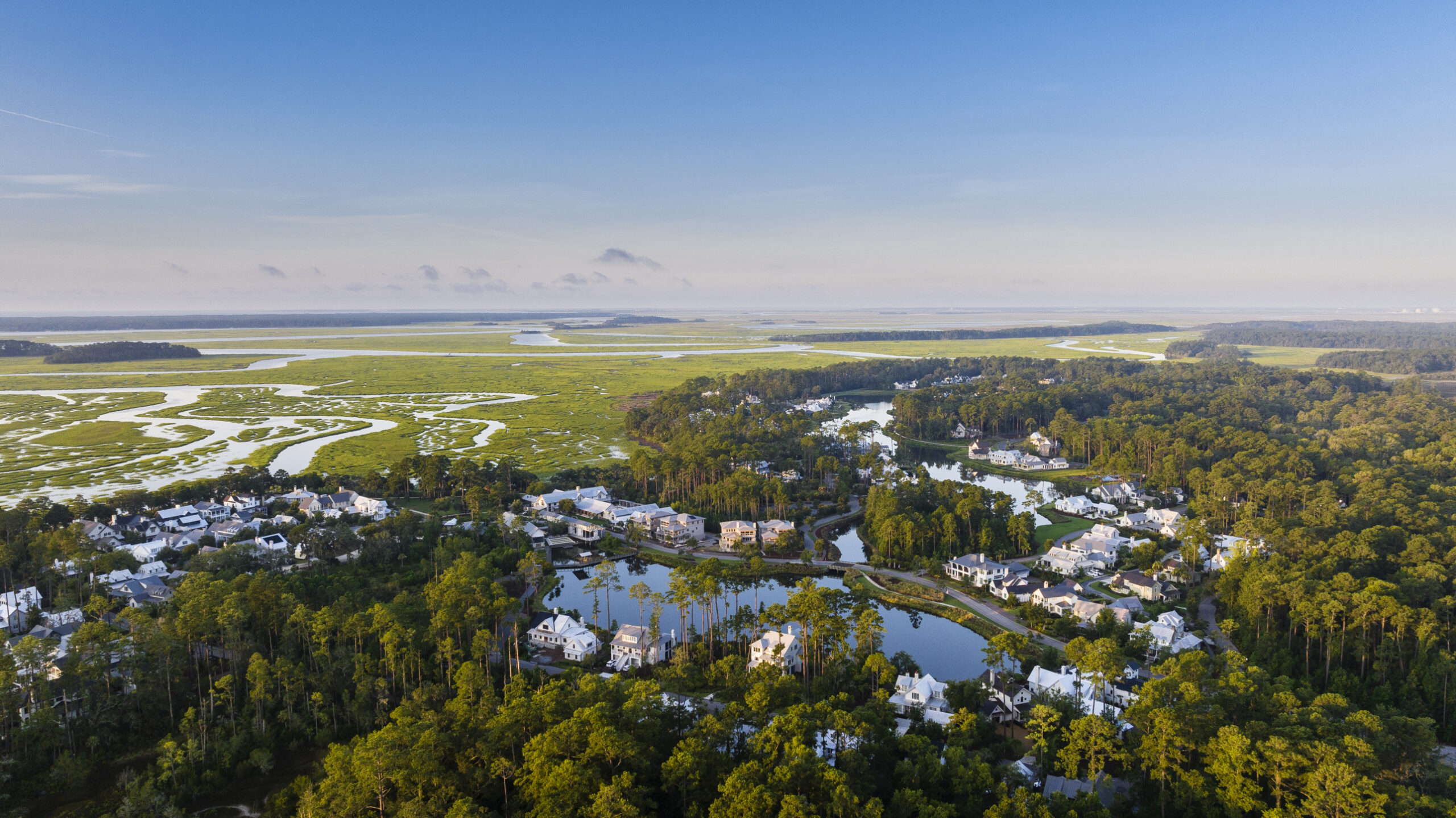
For centuries, long before humans figured out how to breathe cool air into enclosed spaces, the inhabitants of the Bluff have found ways to beat the summer heat. From just after dawn, until right before dusk, our animal friends slip, slide, hide, and burrow to stay cool. This bimodal activity pattern means that during the summer, most of our wildlife may go unnoticed. (And with 20,000 acres, it’s quite the game of hide-and-seek!)
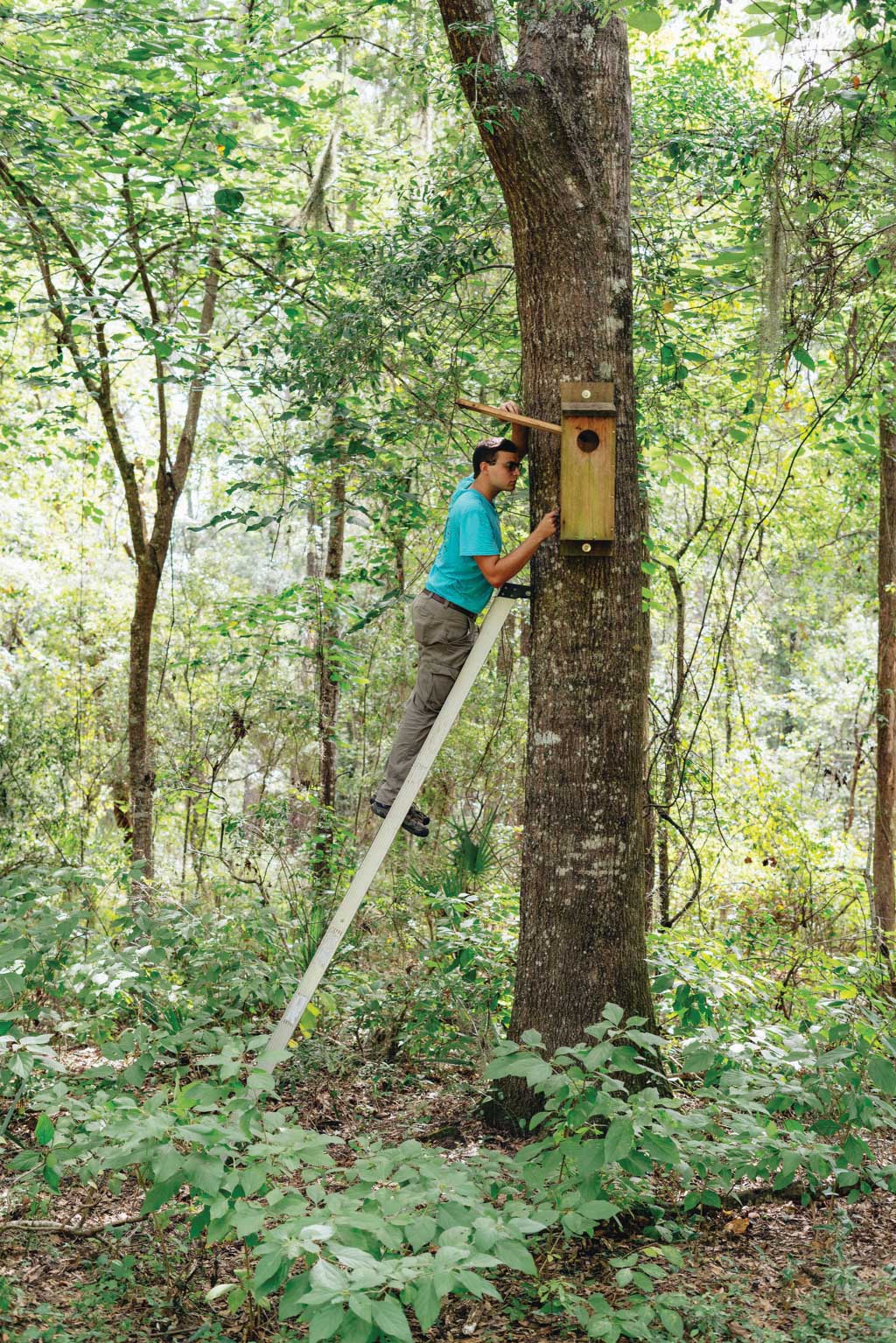
I typically try to time my fieldwork so that I mimic the summer activity periods of wildlife: do what I need to do early in the morning or early evening and avoid vigorous outdoor activity during the middle of the day. Unfortunately, I experienced some delays today. I placed a transmitter on a bat last night and am tracking it through the woods to its roost, but it’s proving more difficult to find than anticipated. I didn’t start looking for the bat early enough and have become caught by the midday summer heat.
Early on in this foray, the beads of sweat forming on my brow collided, creating rivulets that occasionally trickle into my eyes, bringing with them sunscreen, insect repellent, and a sting I cannot ignore. My hatband is soaked with sweat and can no longer absorb the copious amount of perspiration flooding from my pores. When I lived in the New Mexican desert, my sweat evaporated almost as soon as it touched my skin, leaving behind crystals of salt. South Carolina’s humidity keeps my sweat from completely evaporating, but I do still feel the wondrous, cooling relief of sweating.
Being primates, we are one of few animals on the planet that sweat as our primary method of lowering our body temperature. Droplets of perspiration on our skin absorb body heat from our skin’s surface. As these droplets evaporate, they take some of our heat with them, causing the skin to cool. This is the concept behind the process of evaporative cooling. While we have sweat glands throughout our bodies, other animals (including coyotes, foxes, and bobcats) have sweat glands restricted to their paws.
Evaporative cooling isn’t limited to animals that sweat. Have you ever seen a dog pant after playing fetch? Panting provides the same cooling mechanism as sweating, and panting behavior can be seen in a variety of mammals and birds. Even American alligators have a form of “panting” where they bask with their mouth open to facilitate heat exchange.
As I’m avoiding running into the giant webs of orb weavers, I think wistfully of what I wish I was doing at this time of day. What is better on a blistering summer day than slowly rocking on my front porch, sipping a glass of cool iced tea—its condensation running under my fingers as I hold the cold glass to my forehead? Absently watching passersby while thinking about. . . well, not much really. Mostly just trying not to overheat. I used to laugh at my parents and grandparents for being lazily inactive during the crux of summer days, but now I understand; oppressive heat necessitates a change in daily routines.
It’s unnervingly still at this time of day. Quiet.
Not a rustle underfoot or overhead. The only sound is that of cicadas pounding their rhythmic whine through the air, persistently declaring the sweltering temperature.
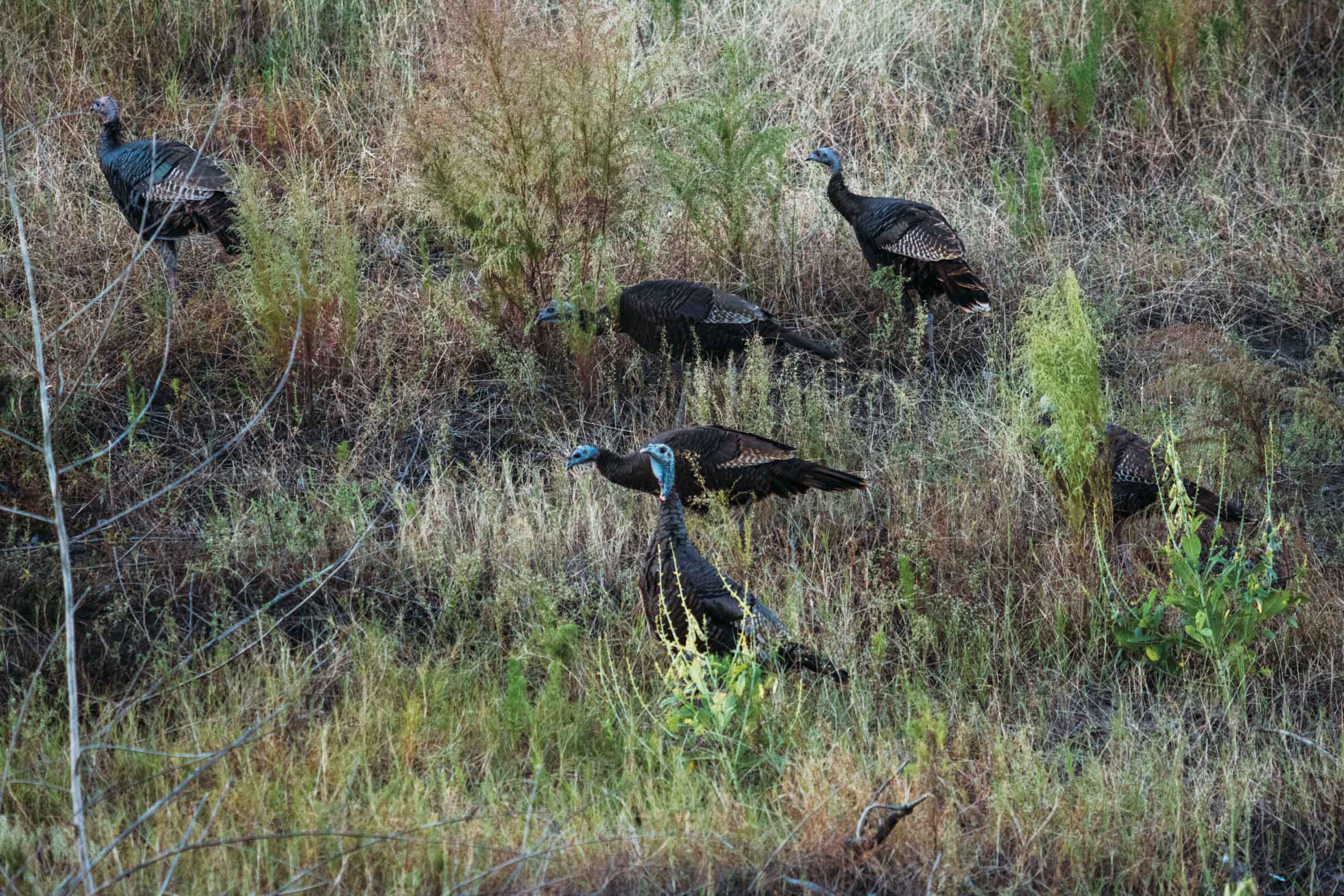
Just like Southerners rocking on their front porch at midday, Southern wildlife finds a cool spot to hide and rest until temperatures abate. For larger mammals, including deer, this may mean simply lying down in the shade. Many reptiles—which are cold-blooded and cannot regulate their body temperature—hide under logs, burrow under leaf litter, or, like mud turtles, bury themselves under the mud. Rodents and shrews live in underground tunnels that remain consistently cool throughout the day. Birds of all sizes—from osprey to bluebirds—will perch while holding their folded wings slightly away from their bodies, increasing the surface area for heat to escape. Wood storks, which can often be seen standing on the banks of ponds in Moreland, follow suit with a different tactic: they hold their wings outstretched to keep cool. This still, midday inactivity prevents these animals from being able to feed, but the trade-off is worth it if it means they avoid overheating.
As I trudge over downed limbs and between palmetto trees, I kick up mosquitoes that make a beeline for any bit of exposed skin. “Why can’t mosquitoes take a break during the hottest part of the day?!” I mumble, irritated while swatting absently at my neck. I hope I find the bat soon before I overheat. I check to make sure I am still sweating. (I am. The back of my shirt is plastered to my skin.) I know to be concerned when my body can no longer produce moisture to cool itself down. As of now, there is no fear of that. I promise myself that next time I am going to take a page out of nature’s book and make sure I avoid being out during the middle of a South Carolina summer day.
%GALLERY%