Written by Palmetto Bluff
Jan 16, 2023
Stewardship: The art of taking care of something, such as an organization or property
Steward: A person who takes care of something, such as an organization or property
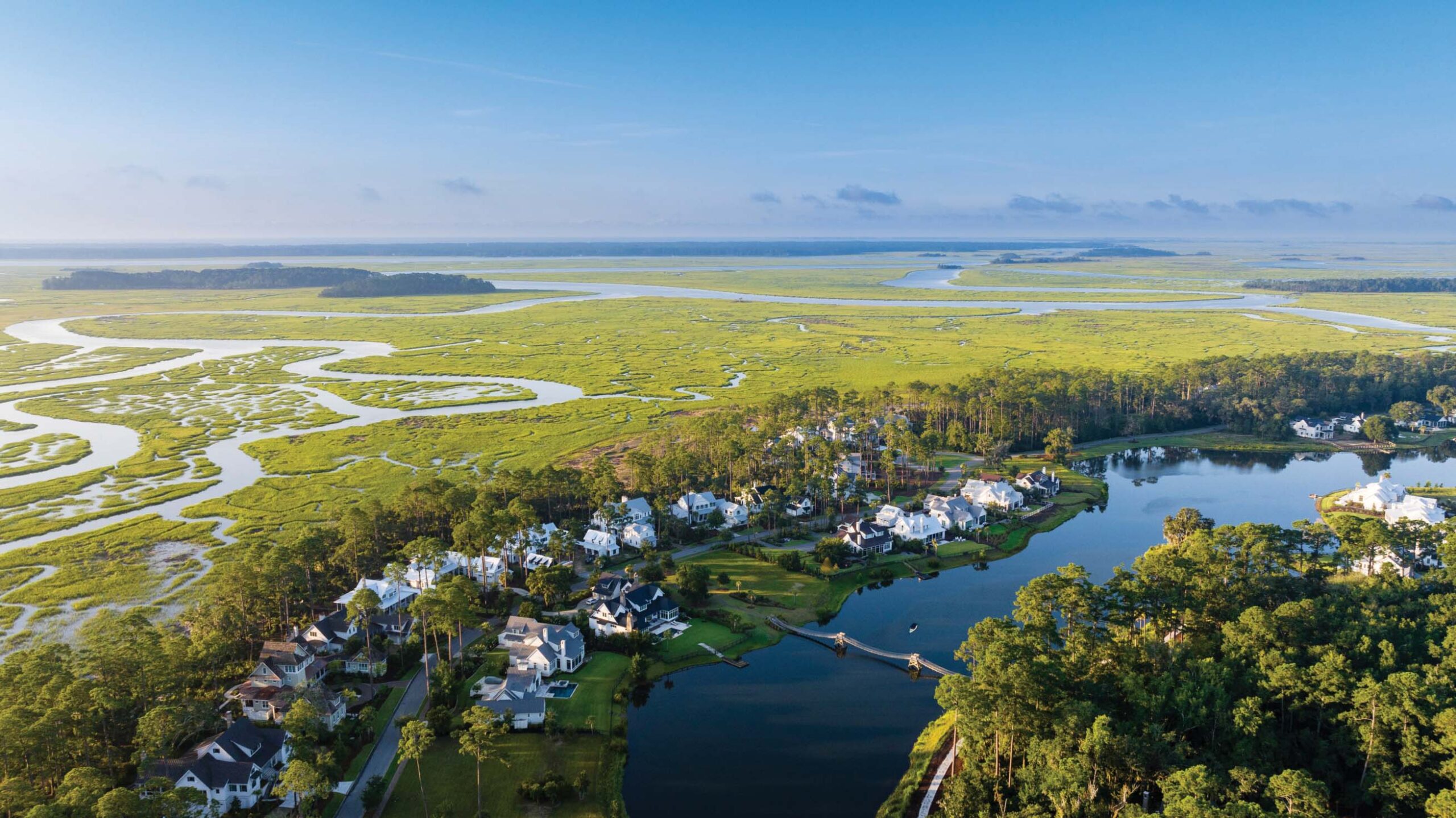
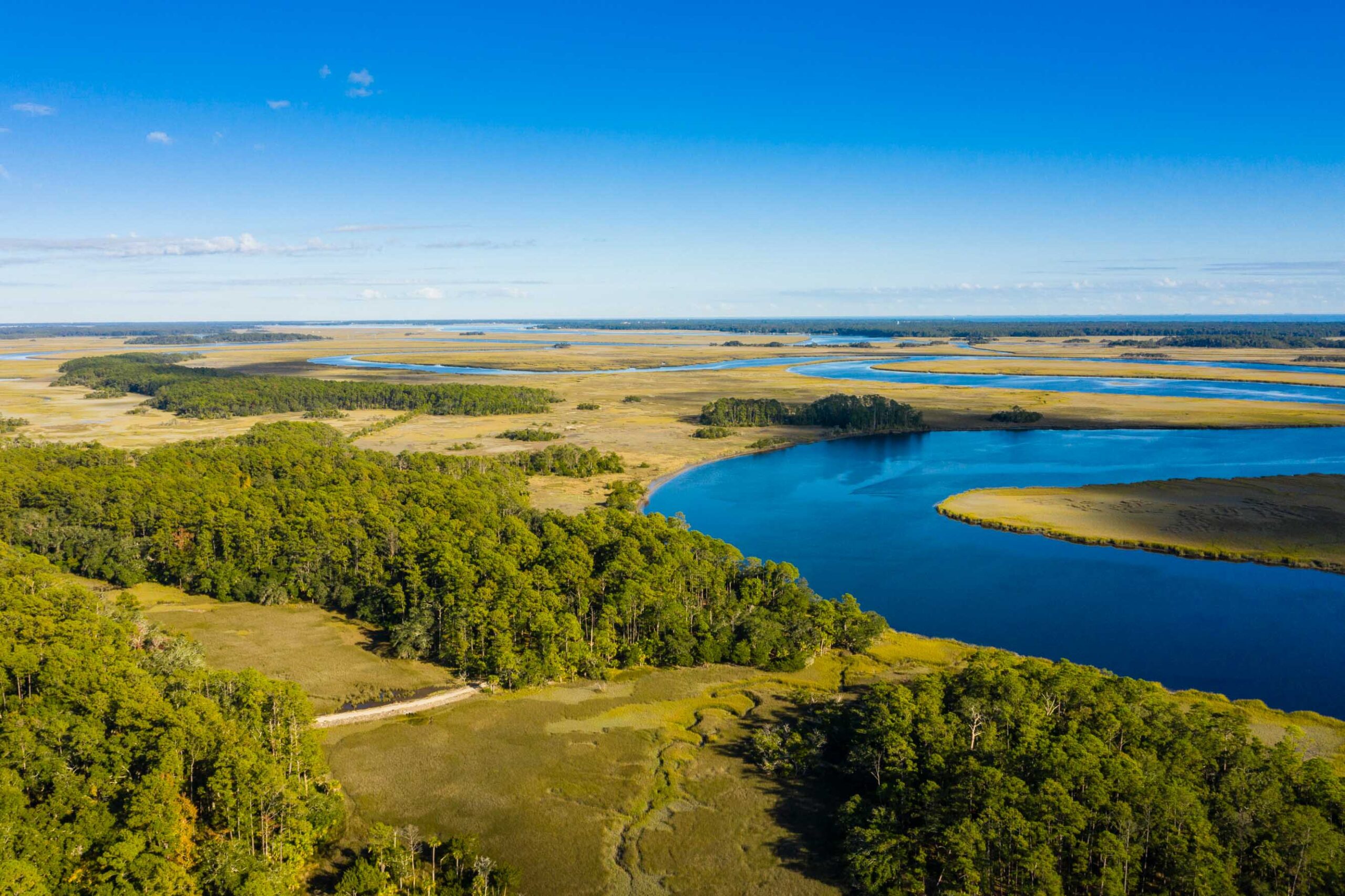
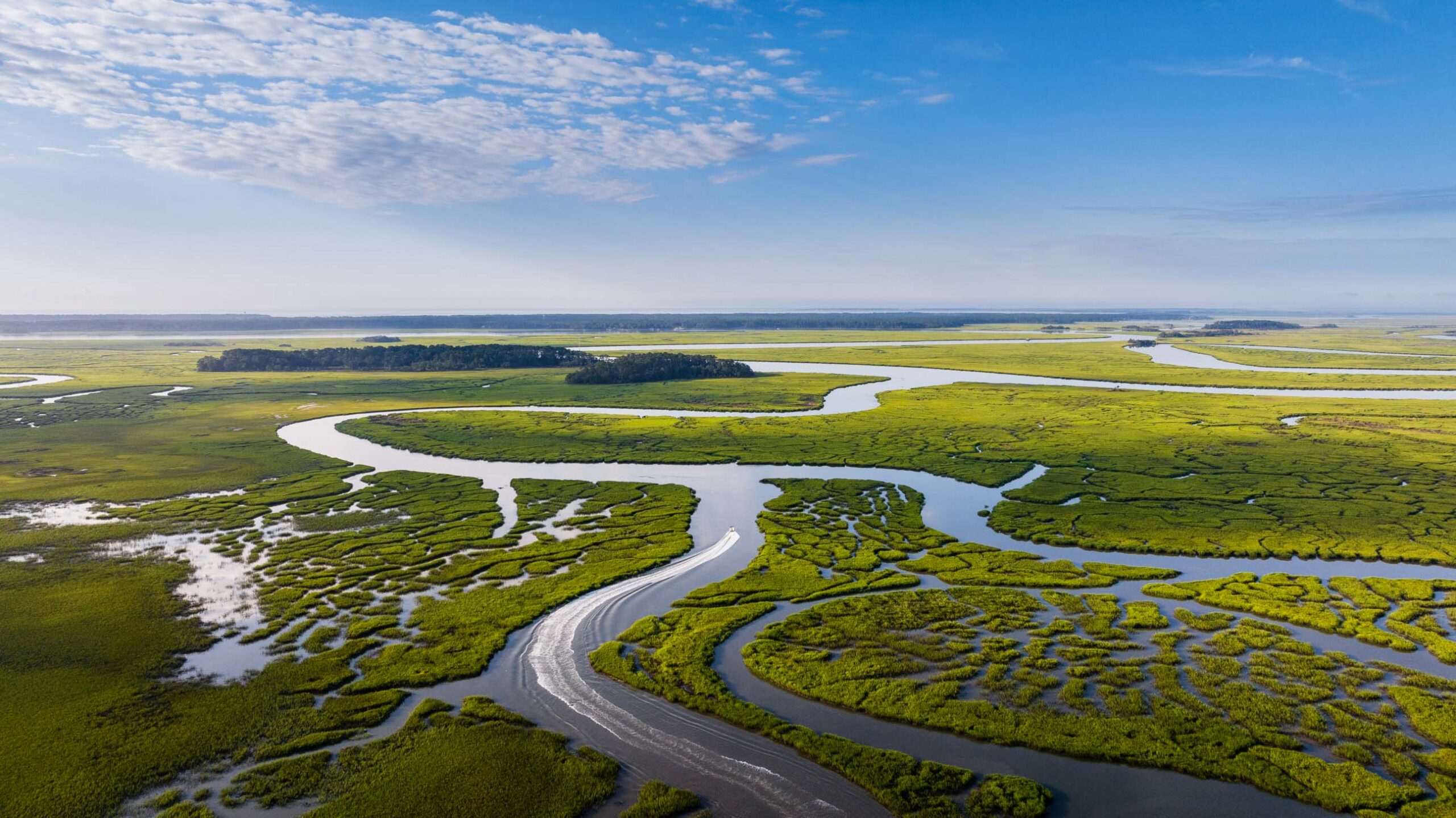
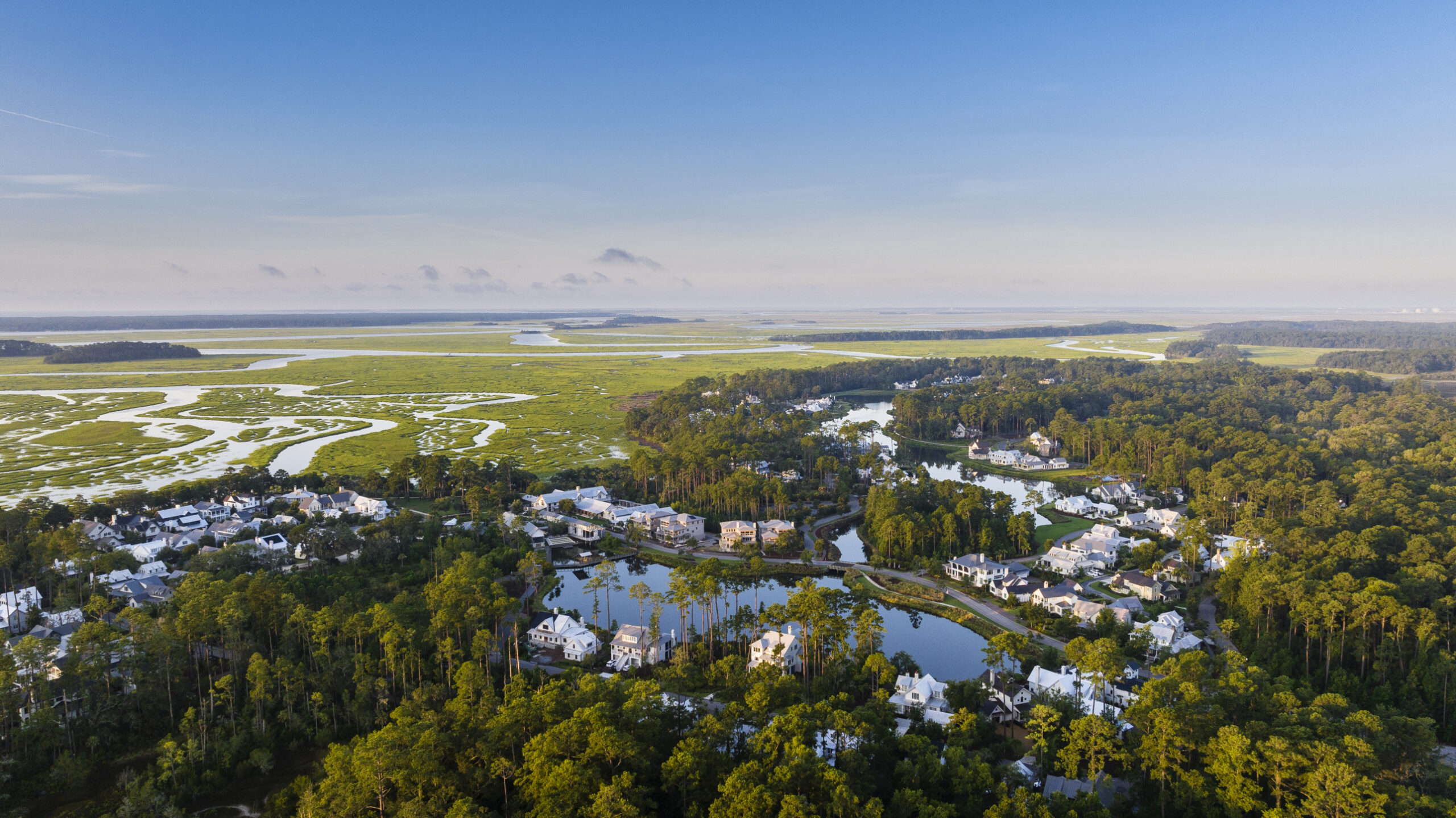
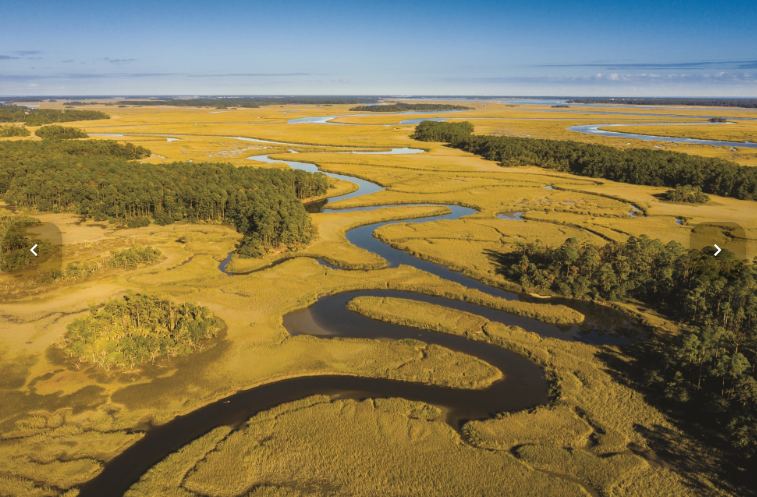
The simplicity of these definitions belies their importance. The Palmetto Bluff Conservancy is the safeguard of this land. We are the voice for native inhabitants who live here and deserve to flourish. We are the voice for the ghosts of Palmetto Bluff’s past, generations of families who carved out a place to call home beneath the live oaks and longleaf pines. We are dedicated to the planning, protection, and management of land, water, wetlands, open space, ecosystems, and archaeological sites contained therein for the benefit of present and future generations.
*
It all begins with the land.

This quote was made locally famous by Jim Mozley, the original land planner for the Palmetto Bluff we know today. Mozley was a visionary. He knew that conservation could actually be a cornerstone of successful development, that developmental restraint could enhance the property value. Fast-forward twenty-two years and we have proven it.
It is vital that land and wildlife are integrated and part of our community and cultural heritage. The Conservancy’s four pillars—Land Management, History and Archaeology, Research and Education, and Events and Outreach—uphold this mission statement.
Land Management

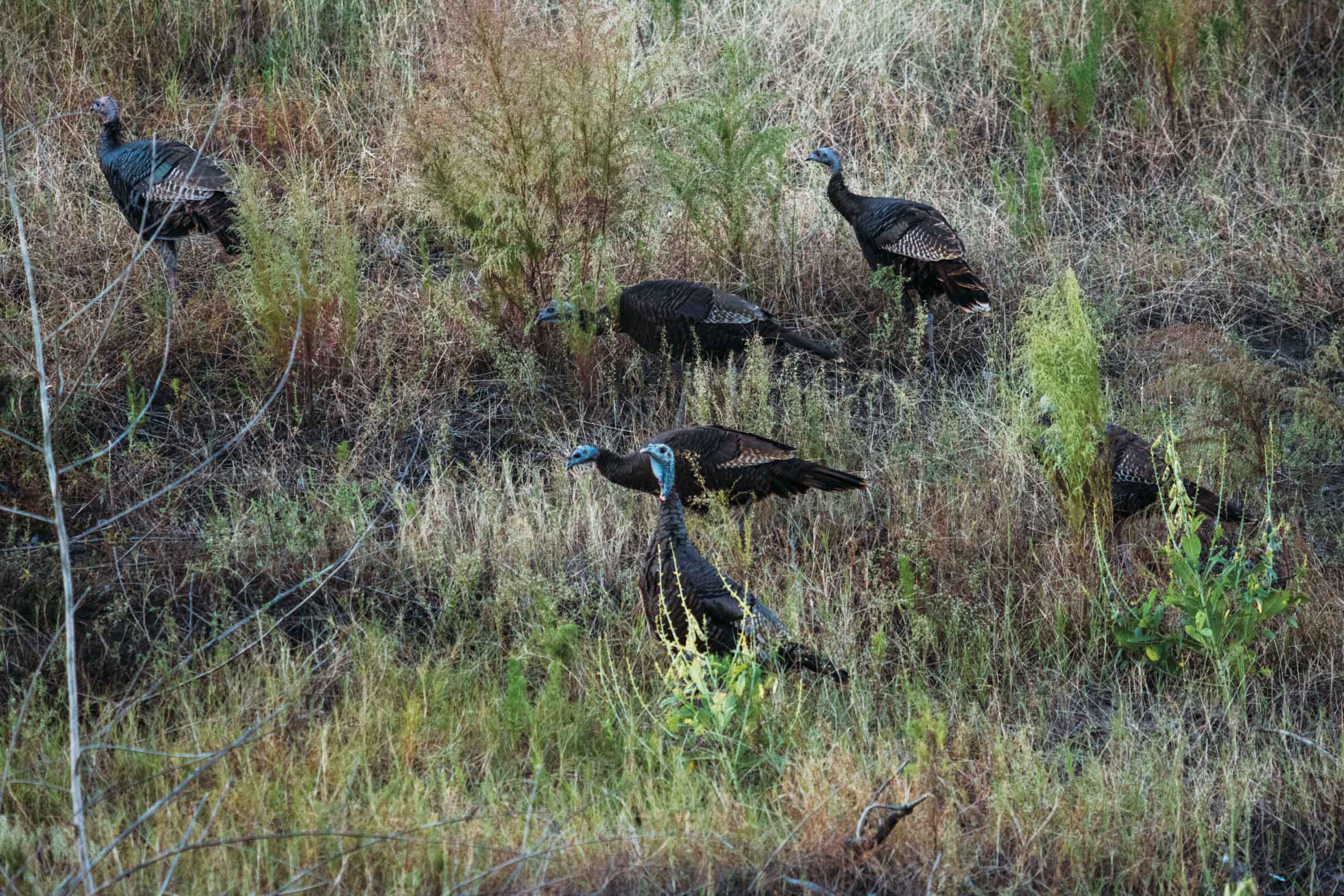
Our land and wildlife team is tasked with a robust wildlife and forestry management program here at Palmetto Bluff. We manage strictly for the eastern wild turkey, an umbrella species, which indirectly protects the larger ecological community on the property. We use seasonal food plots to provide supplemental feed for wildlife. Springtime plots include protein-rich plants to ensure that mammals and birds have enough protein to support their young. The fall planting is all about carbohydrates and sugars with big leafy greens and clovers. This is to ensure the species feeding from these plots have enough carbohydrates to sleep well on cold nights. Good sleep aids good health! We encourage a healthy insect population by letting wild forbs grow. These weeds are good for wildlife, pollinators, and soil quality.

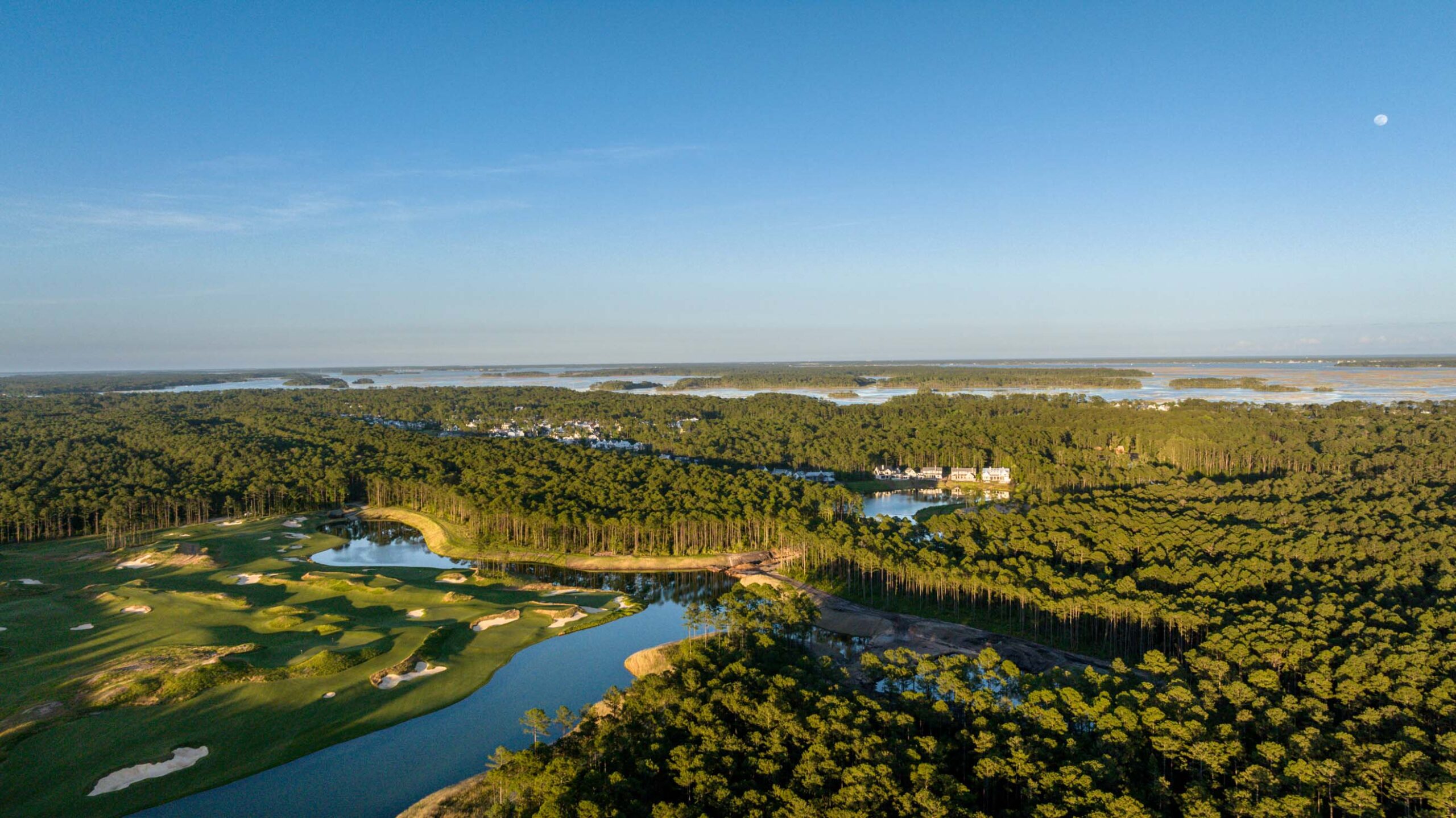
Prescribed fire is our best practice for land and wildlife management. The Conservancy burns over two thousand acres a year to enhance the health of our wildlife and timber stands. Controlled burns exponentially raise the carrying capacity of the land (how much of any given species the land can sustain healthily) and promote new growth beneficial to all wildlife. What’s more, seasonal fires remove hardwood competition, providing the majestic overstory tree species with natural fertilizer in the form of ash. Fire also protects our residents. Controlled burns remove excess fuel from the forest floor and render wildfires from a lit cigarette or lightning strike entirely tractable. Our land and wildlife crew takes great pride in manipulating these fields and forests in the name of true conservation. And we believe that conservation is maximizing, but also utilizing, our natural resources.
History and Archaeology

Not all of our resources are biological. The Conservancy is also the guardian of Palmetto Bluff’s historic and prehistoric sites. Typical developers hire a firm to complete shovel tests and excavate any found sites. Reports are often completed after development has commenced. The Conservancy knew early on that this status quo was not comprehensive enough. We wanted to tell the stories of Palmetto Bluff from start to finish. Our dedicated archaeologists create reports from each and every building site. Once a site is cataloged, it is turned into the State to ensure the protection of artifacts in perpetuity. Dr. Mary Socci and her team have spent countless hours researching the vast history of Palmetto Bluff to ensure that these narratives will not be lost. These archaeologists have restored cemeteries, excavated countless historic buildings, identified and cataloged prehistoric artifacts. They have an amazing following, both resident and public, and conduct lectures, field trips, and informational hikes. Every year, their knowledge of this place and those that once lived on this landscape expands.

Research and Education
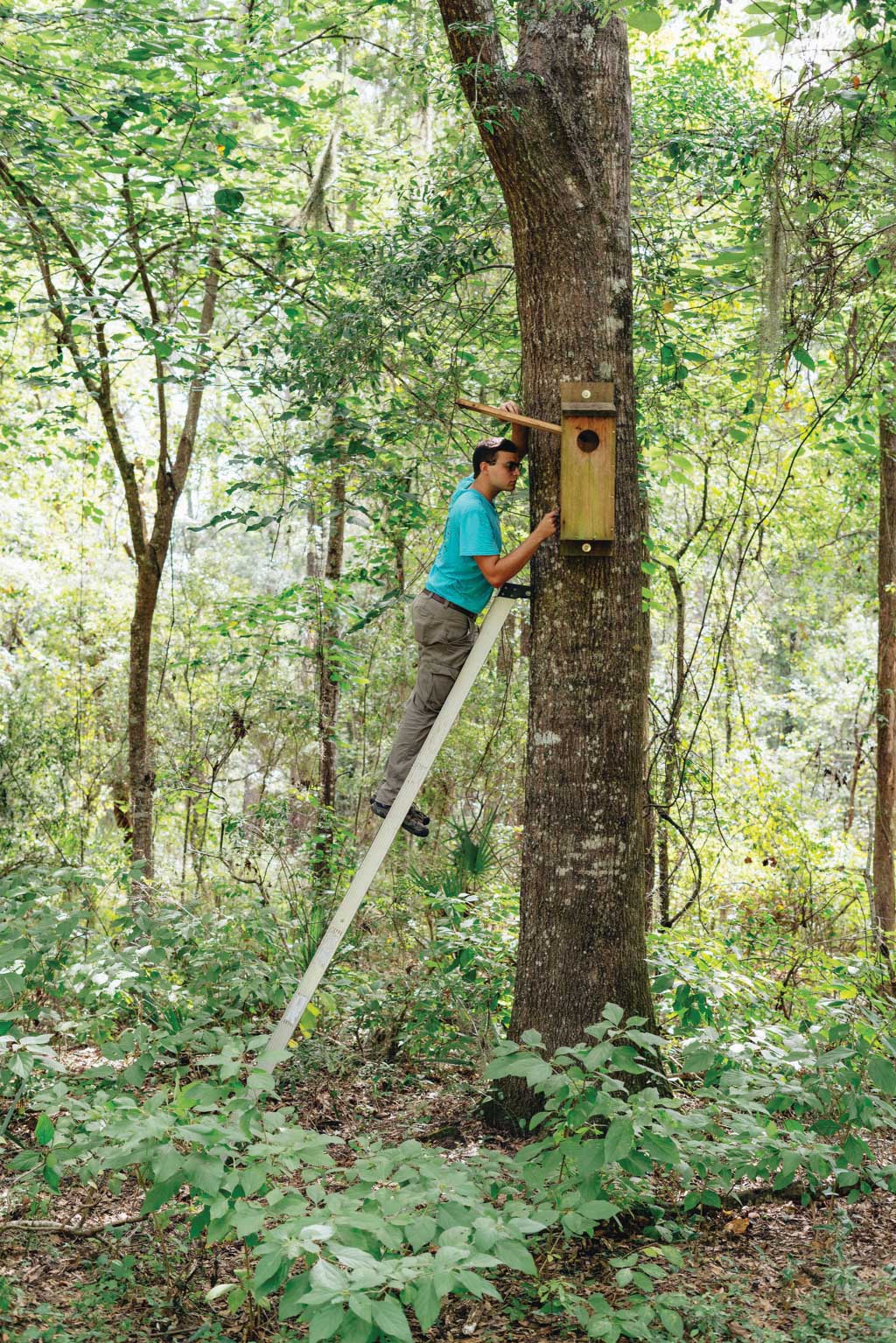
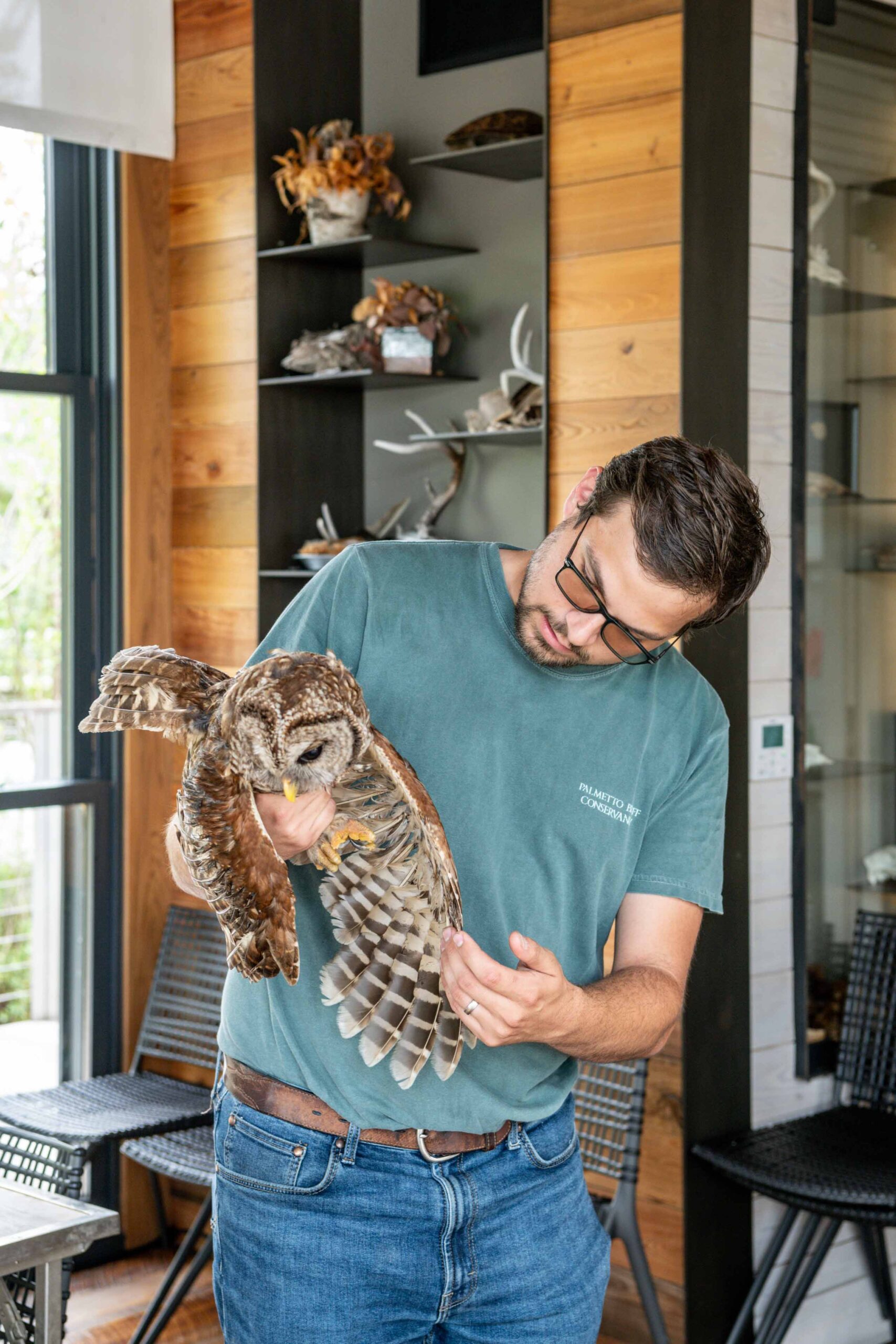
As stewards of Palmetto Bluff, it is imperative to ensure that our resident species are not harmfully affected by land use. To do this, our researchers pay close attention to indicator species. An indicator species is affected first by habitat alterations and serves as a proxy to diagnose the health of the greater ecosystem. Our team spends countless hours on research projects, ranging from alligators to bluebirds. Currently our researchers are focused on bats of the coastal plain. While most of the national funding for bat research goes to endangered species, bats in the coastal plain are historically understudied. The Conservancy’s researchers have the flexibility to use their funding to study common species, like the Seminole bat, that are still found in abundance here at Palmetto Bluff. If this species is negatively affected in the future by development, disease, and/or climate change, we will have baseline documentation to share with the world (rather than beginning research once a species is in peril). This keeps us at the forefront in acquiring this knowledge and prevents the species from suffering.

Outreach and Events
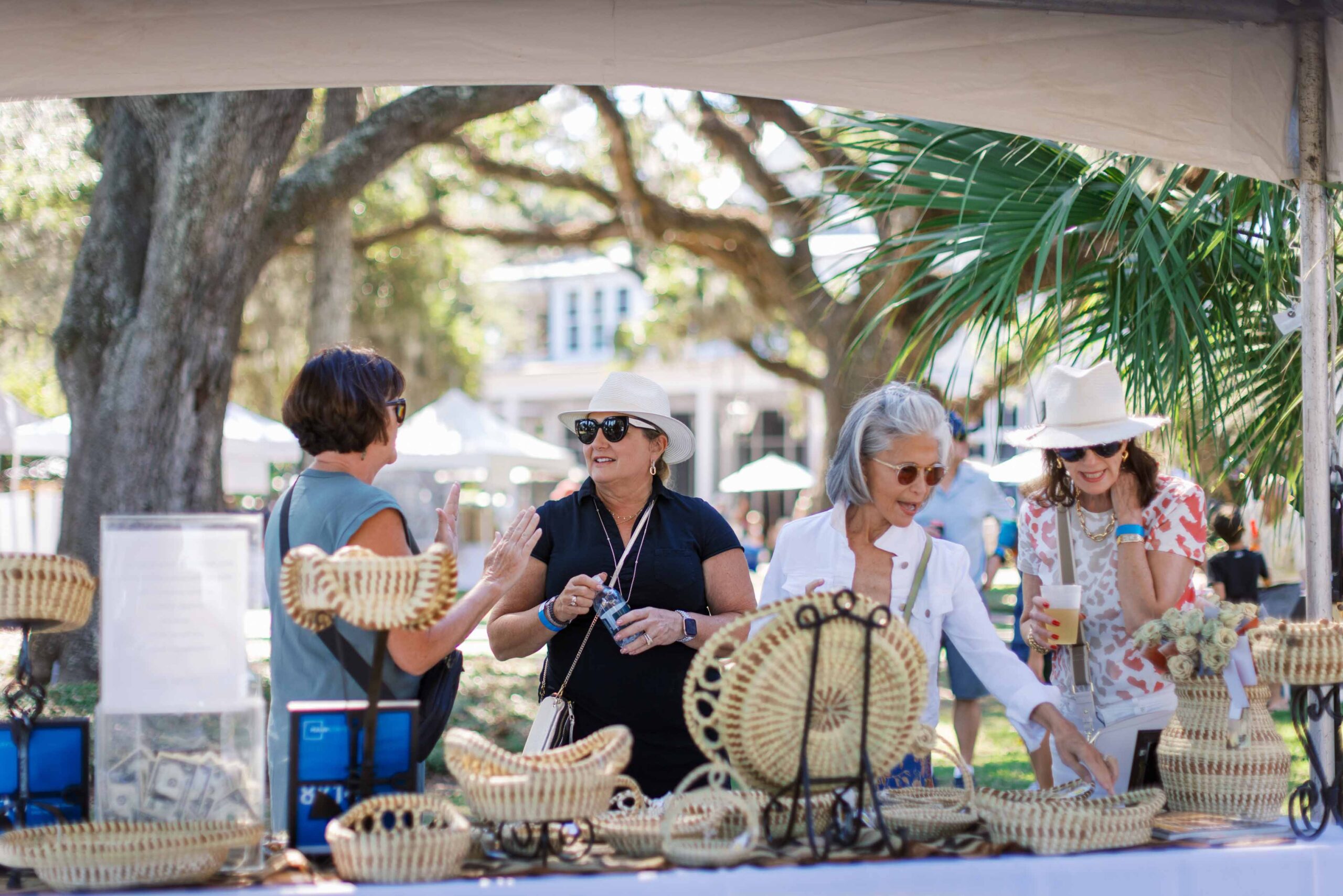
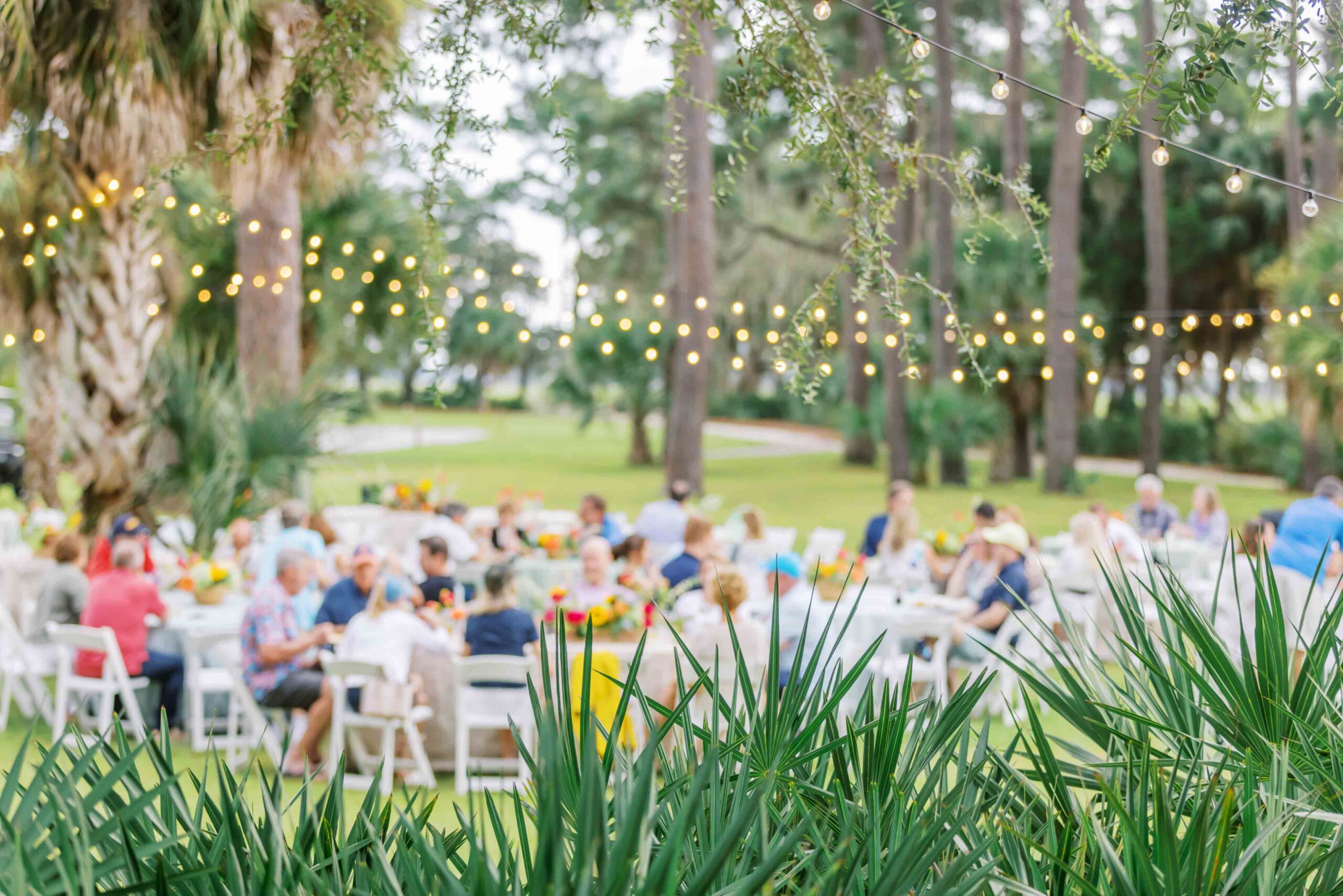
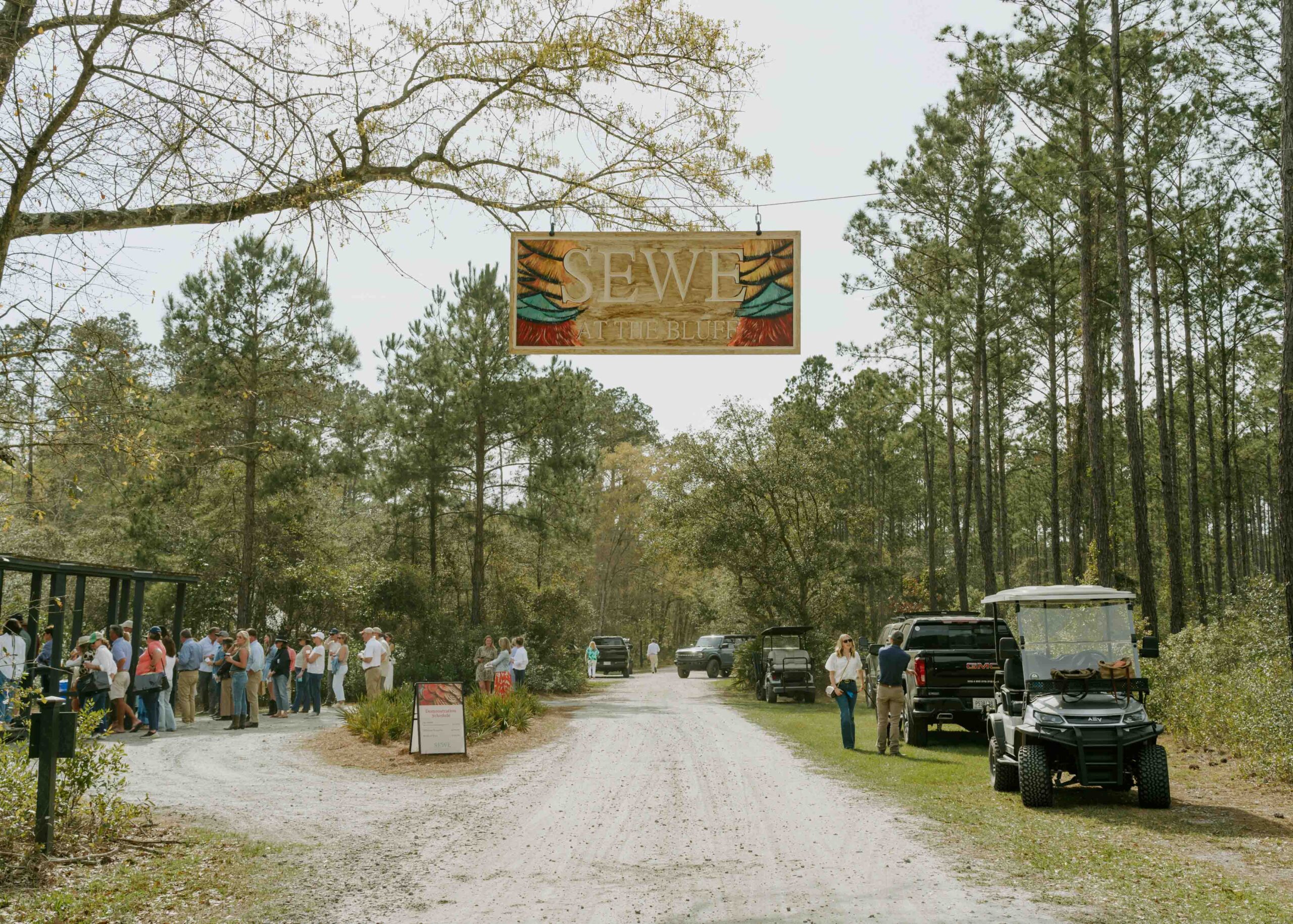
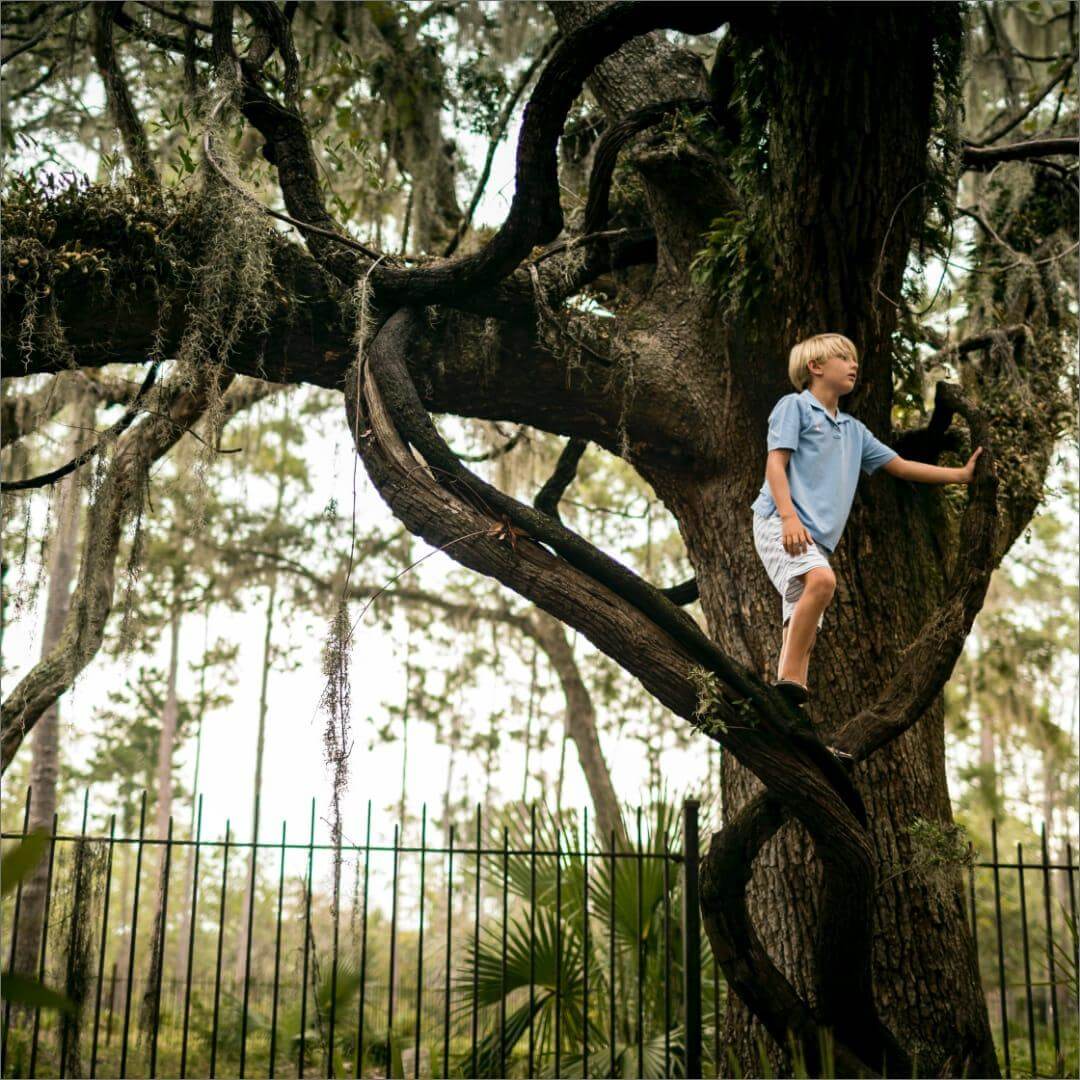
Outreach integrates these pillars and provides the Palmetto Bluff community with a better understanding of our environment. The Conservancy is a conduit, instilling our residents with a love for this land, and we have over two hundred programs on our annual calendar. We bring local historians, authors, scientists, and educators to the Bluff to lecture on topics important to our cultural heritage, our unique ecosystem, and our way of life. We conduct hikes, tours, and field trips that highlight important habitats and species endemic to the Lowcountry. Our summer day camps connect kids with nature at an early age, and our year-round programming is for all ages. We rely on this outreach and education to create passionate ambassadors for the Conservancy and for Palmetto Bluff.
**
The Palmetto Bluff Conservancy is a 501(c)(3) not-for-profit. Palmetto Bluff is a place, not a project, and it is our job to work with the development team to do right by the land.