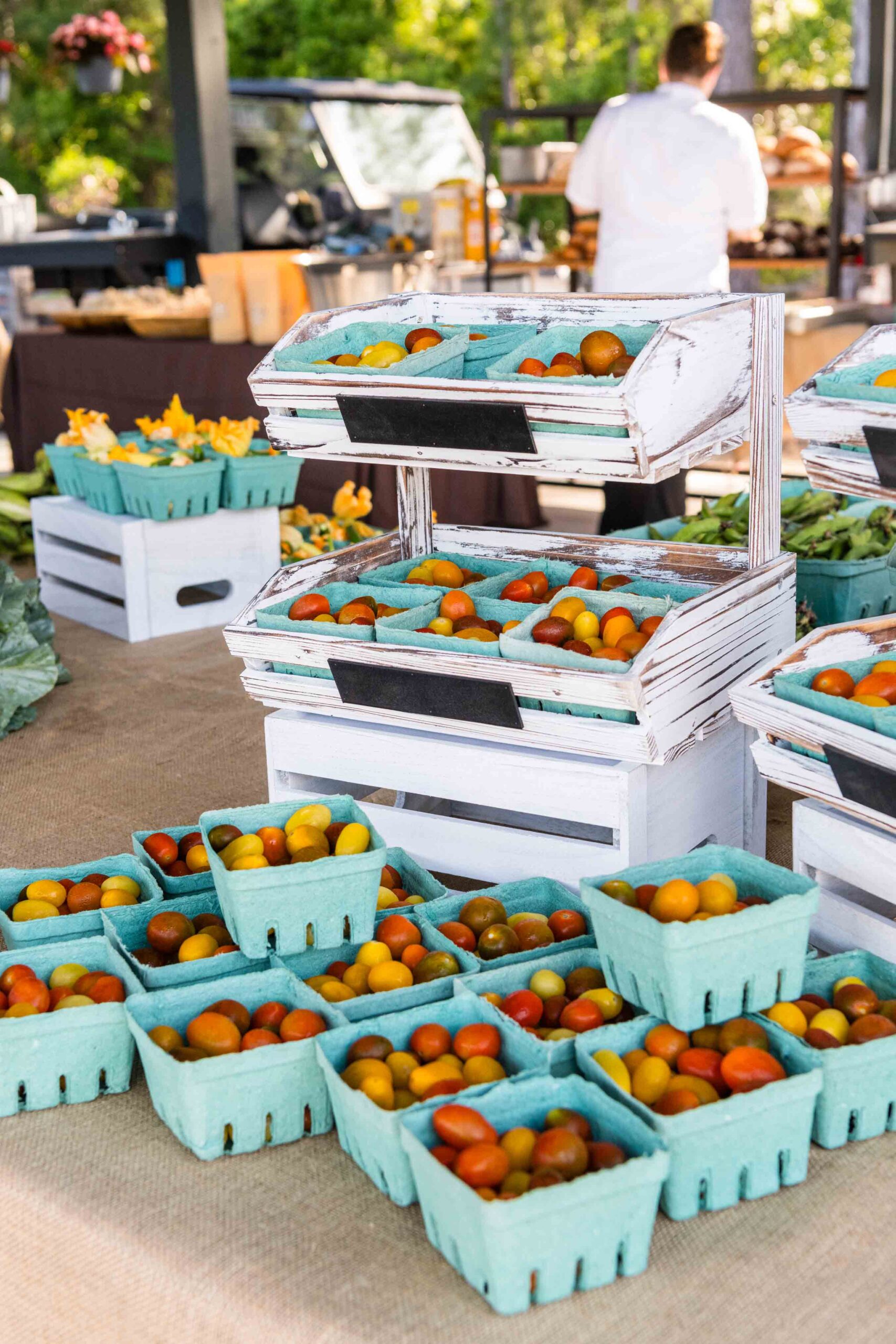
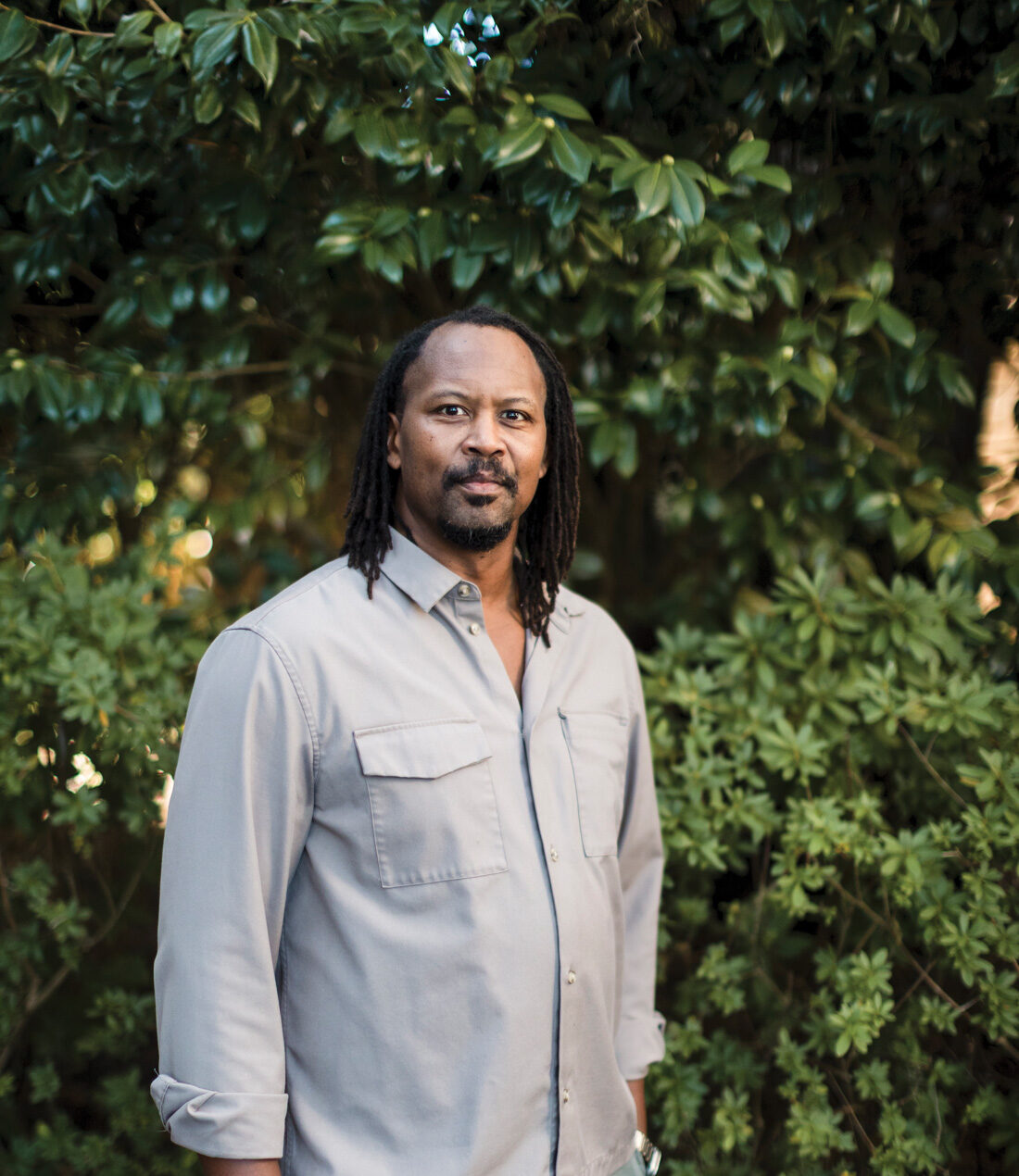
It was the summer of 2006 when I first met Jimmy Taylor. We bumped into each other (literally) in the kitchen at my office as he was dropping off two huge brown paper bags full of Sea Island Tomatoes. As a lifelong New Jersey tomato consumer advocate (they are my measuring stick for all other tomatoes), it took a bit of convincing before I conceded and tried a Sea Island Tomato. The next day, I was introduced to Duke’s mayonnaise, and suddenly, in 24 hours’ time, I was eating tomato sandwiches, and the allure of the South grew even more interesting for me.
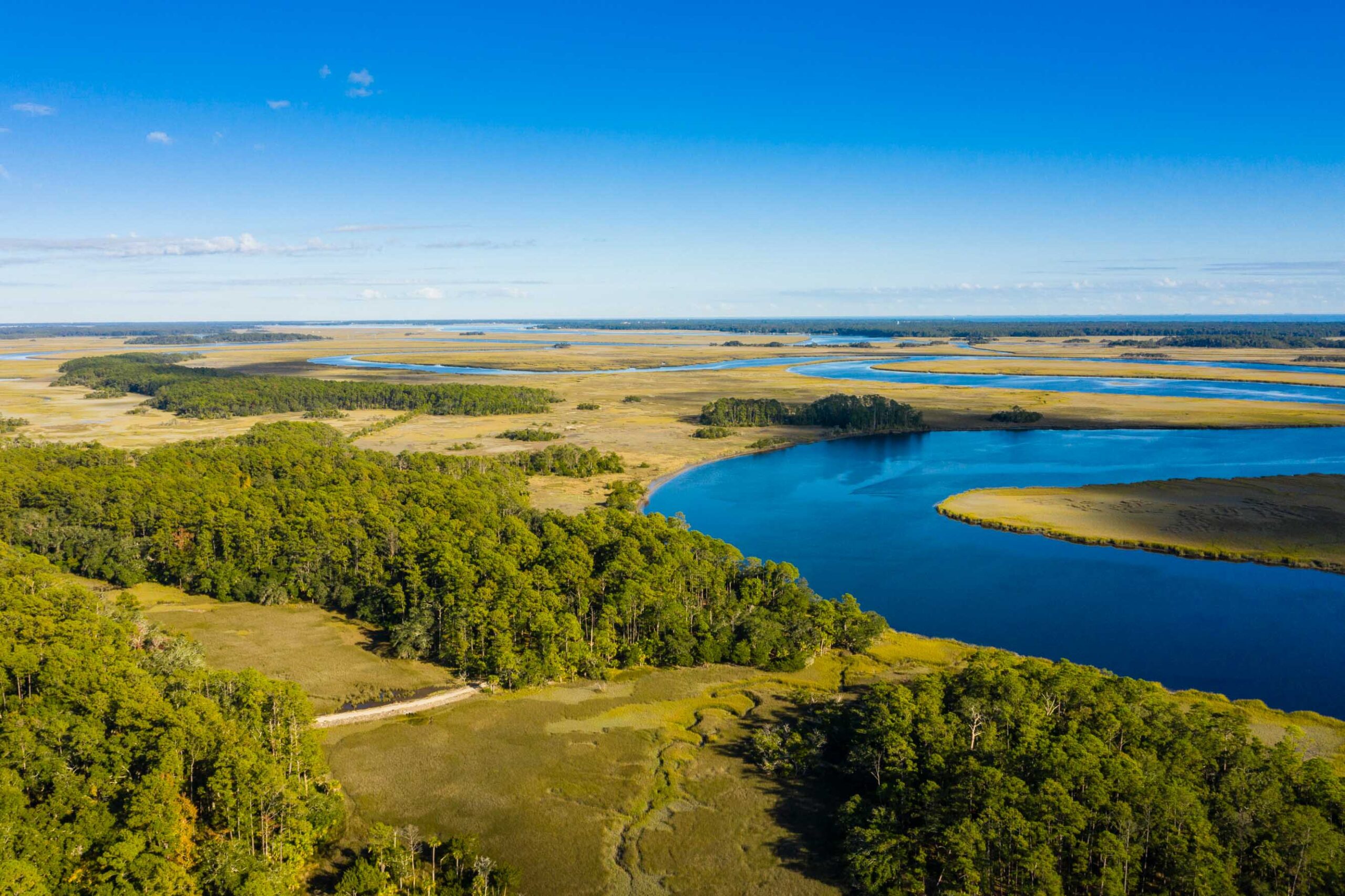
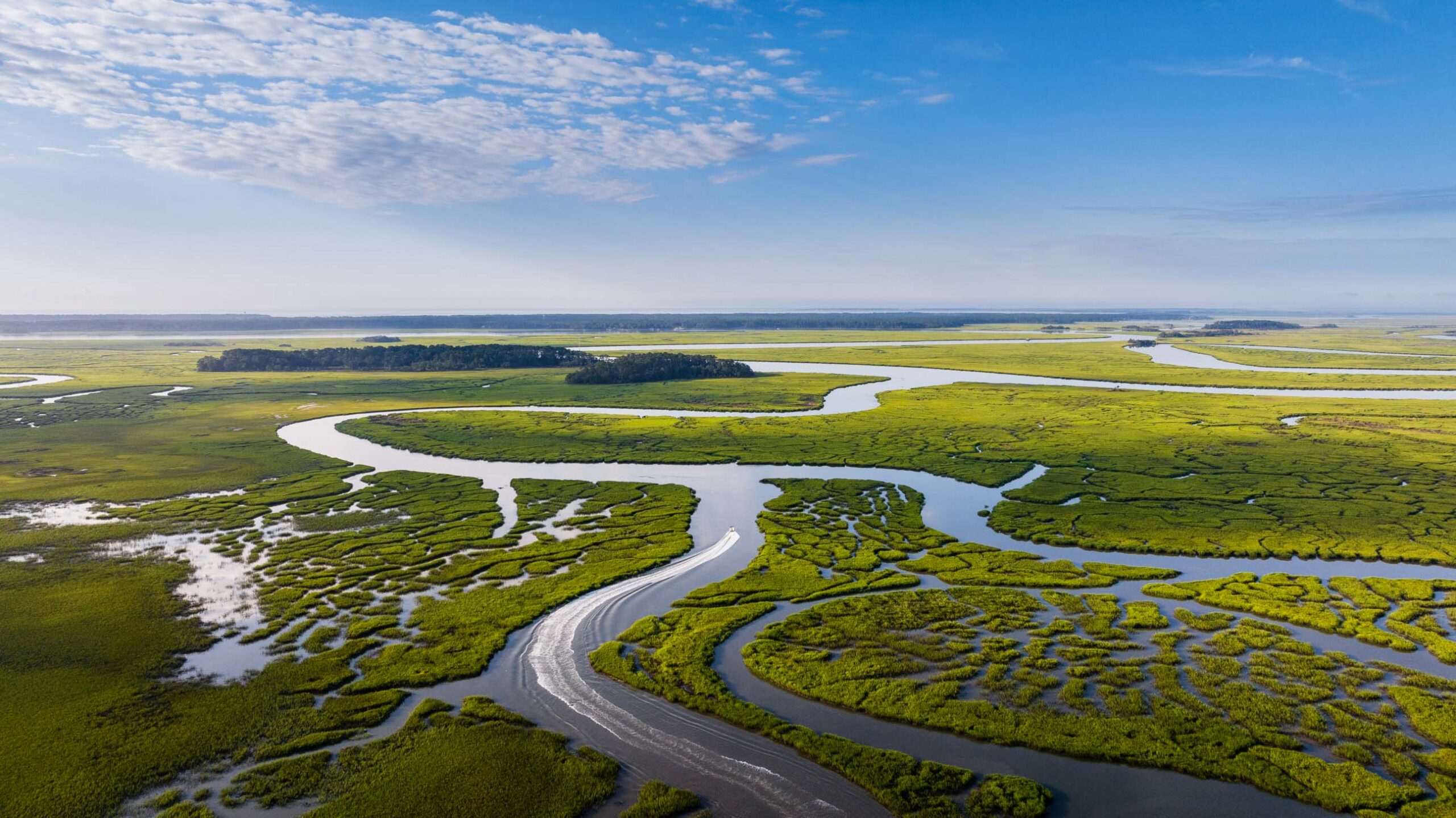
One doesn’t necessarily picture tomato fields growing thick on a sea island, but that happens here. Just 40 miles from Palmetto Bluff, on St. Helena Island, the Sanders family has been growing Sea Island Tomatoes for six generations. Over a century ago, Gus Sanders discovered that the soil on St. Helena Island was just right for producing plump and juicy tomatoes. That’s because the soil is just a tad bit warmer than that of inland farms, which makes it perfect for harvesting the best tomatoes.
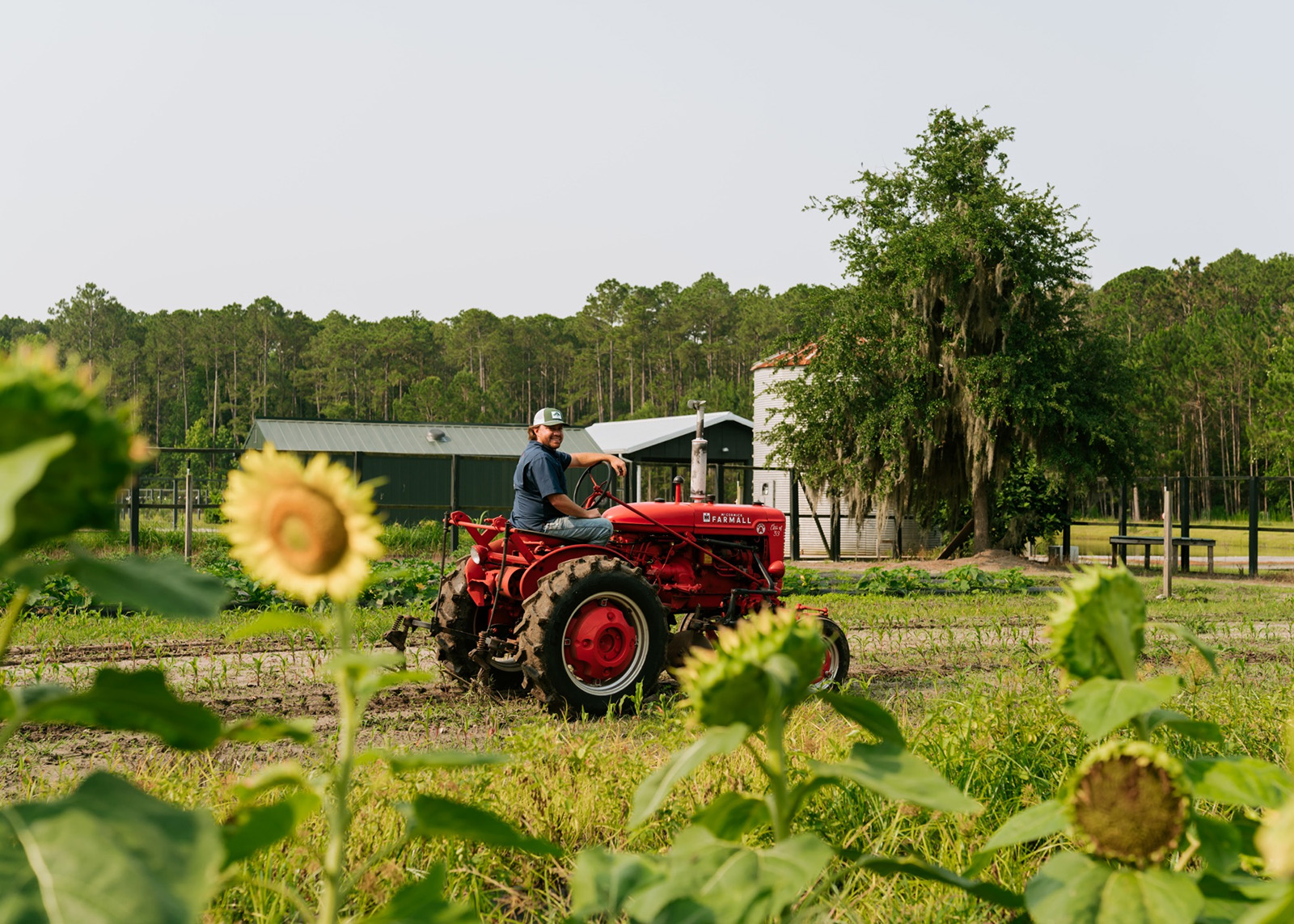
On a morning in late June, I stood in the “Back Field,” named because, well, it is behind the house. The house in front of the Back Field belongs to Jimmy Taylor and his wife, Lee Sanders Taylor. Their son Ross is my tour guide today.
We agreed to meet at the Macdonald MarketPlace. Unsure if I was in the right spot, I gave Ross a quick ring, and he was kicking up dust in his white pickup truck (license plate “5Tomato”) a minute later. We (two photographers and me) piled into the truck, and we were off on a three-hour tour of what I thought was a “little tomato farm.” I was wrong. The farm is 2,000 acres—1,000 of which are farmed.
If we’re measuring the actual dirt occupied by a tomato plant, we’re talking 400 acres of tomatoes. It takes about 2 acres of land to grow 1 acre of tomatoes. (There was a lot of math this morning.) Ross tells us, “Beginning this week, 300 people will handpick, pack, and ship 24 million pounds of tomatoes. And they’ll get all that done in four weeks. We’re gonna get started in about 45 minutes. . . .”
But before we get to the fields, we make our first stop at Taylor’s aunt and uncle’s house, also known as the house where Forrest Gump was filmed. We ambled up the back lawn as Taylor’s Uncle Bill came out onto his porch, never flinching at a camera crew setting up tripods in his backyard. Soon, his dogs joined the party, obviously used to visitors. And so began 30 minutes of running Forrest Gump one-liners between our photographer and me. How is this part of the story you may ask? That plantation house has been in the family since 1810. The all-tabby barn on the property has been standing since the late 1700s. This is where the history of Sea Island Tomatoes began, 115 years ago, with a nice Hollywood kicker to spice up the story.
Before a Sea Island Tomato makes it into a box to be sold, it must have the perfect color, uniformity of that color, no creases, and no cracks. Ripe tomatoes don’t make the cut, because they’ll be past their prime before they arrive at their destination. For a company that holds 65 percent of the tomato market on the East Coast, they cannot afford to get it wrong.
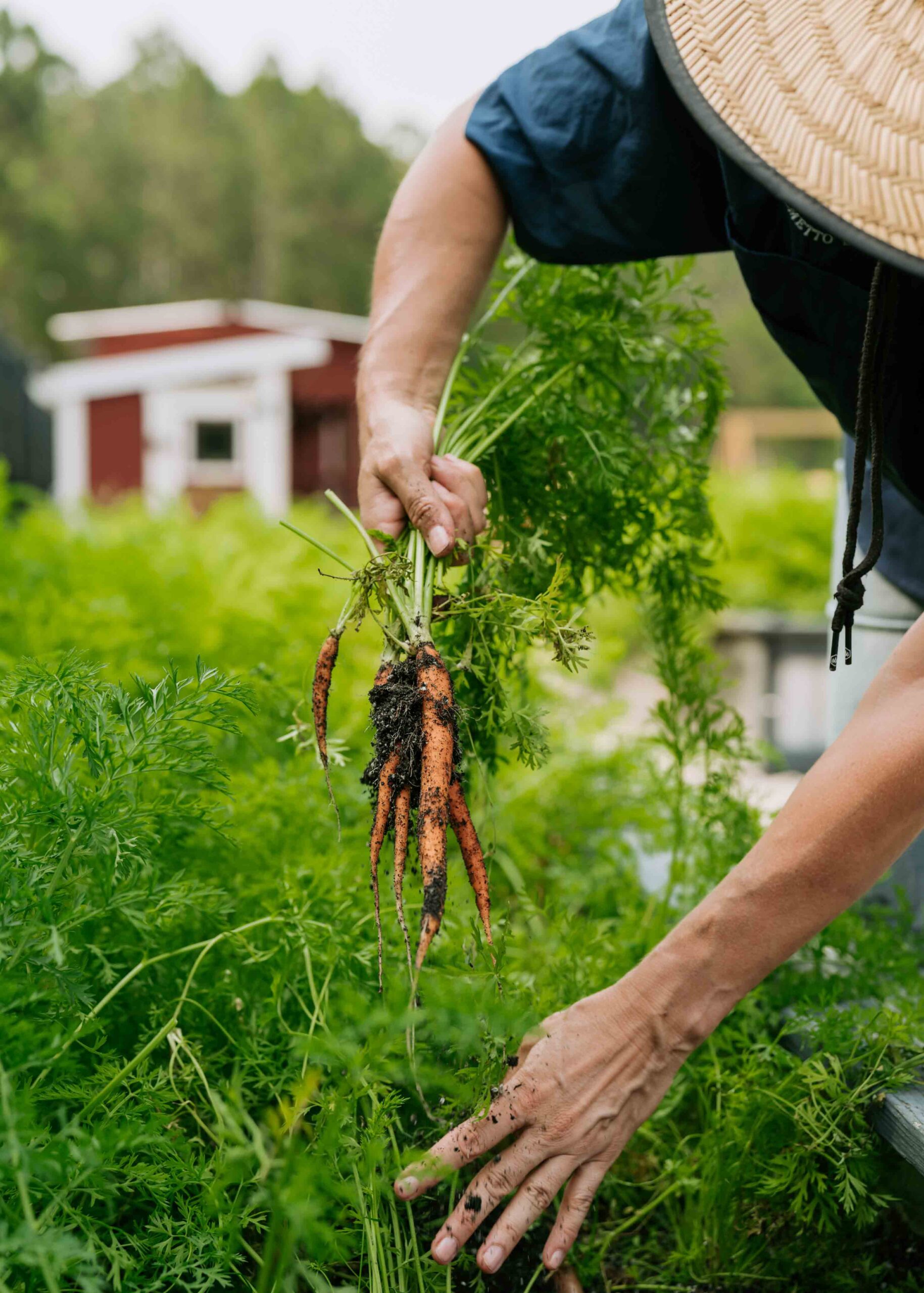
Standing among the rows of tomatoes in the Back Field, lines of pickers are poised to get to work. The June sun is already beating down at 9:00 a.m., dust caking everyone’s feet and face. The workers are part of the H-2A government work visa program, under contract for this specific task. From these tomato fields, they will move on to other farms, where they work for eight months in the United States. Here they are paid by the piece, making speed and precision paramount.
At the start of each day, the crew leader presents a deck of cards, the lowest card gets the spot closest to the truck, which means less walking, more picking. The literal luck of the draw. At the crew leader’s “go,” the workers are filling buckets, tossing the full buckets to the crew leaders on the truck, and getting their empty buckets back with a token. That token becomes the currency by which progress is tracked. In under one minute, a bucket is easily filled and tossed and the worker is on to the next bucket. I’m already wiping the sweat from my brow and feeling it trickle down my back, simply from standing in the sun. Yet, these field workers will do this for the next four weeks until the sun goes down. An afternoon thunderstorm is welcomed, if only for the relief from the heat, because when production stalls, tokens don’t fall.
Not every descendant of the Sanders family ends up at the farm, though. Taylor is quite frank about the reason, “Family politics,” he says. “I am an entrepreneur at heart. I love the family and I love the business.” Five of the nine cousins from the Sanders’ sixth generation work for the family business. Taylor’s parents and their generation own the business today. As this sixth generation begins making their families, some—Taylor included—have a desire for the business to grow. “As we start having kids, the family has more mouths to feed. We need to expand the business.”
And that is how Seaside Grown Bloody Mary Mix was born.
Taylor wanted to create another use for the 20 percent of tomatoes that ripen on the vine and don’t make it into a box. Once Taylor got to talking to a college buddy (with whom he discovered Bloody Marys and hangovers), the idea was born. In 2018, Seaside Grown will produce 12,000 cases of Bloody Mary mix. Their projections for 2019 are more than double that. A partnership with Tito’s Vodka, developed via a mutual friend, has Seaside Grown dubbed the “Official Bloody Mary Mix of Tito’s Vodka,” which has helped kickstart the brand. “It all goes to show it is who you know, not what you know,” Taylor says. Relationships being paramount in this family—and this business—Taylor continues to seek ways to further connect with the customer. When you get a bottle of Seaside Grown, you’ll know from what field and what day the tomatoes were picked for that bottle. Proof that a family business can grow and still celebrate its roots.
Written by Courtney Hampson
Photography by Rod Pasibe and Michelle Lynn Morris%GALLERY%