

















Palmetto Bluff
Ownership & Design
A community shaped by shared stewardship, governed to protect what makes it worth owning.
Thoughtfully Designed.
Naturally Preserved.
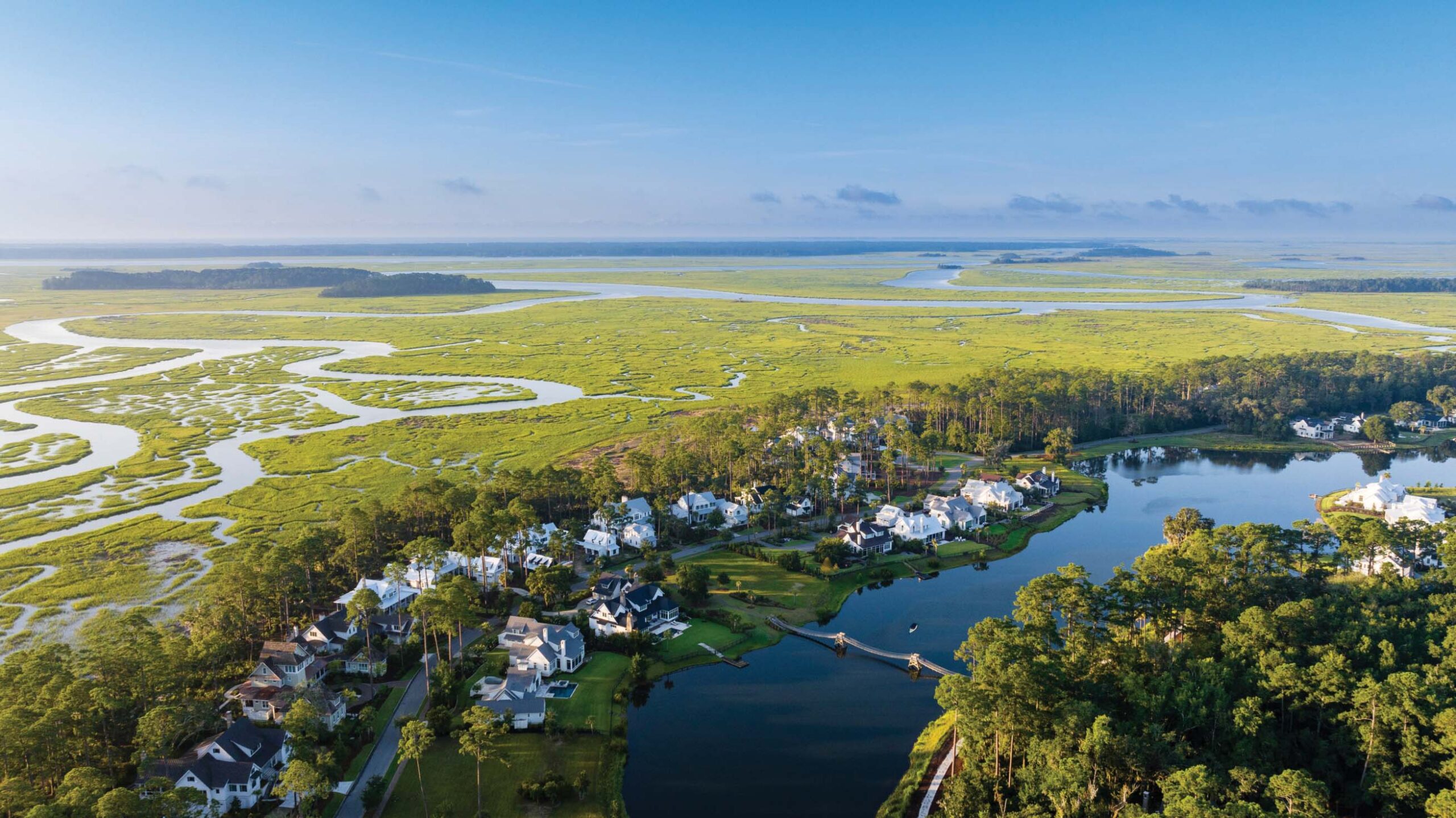
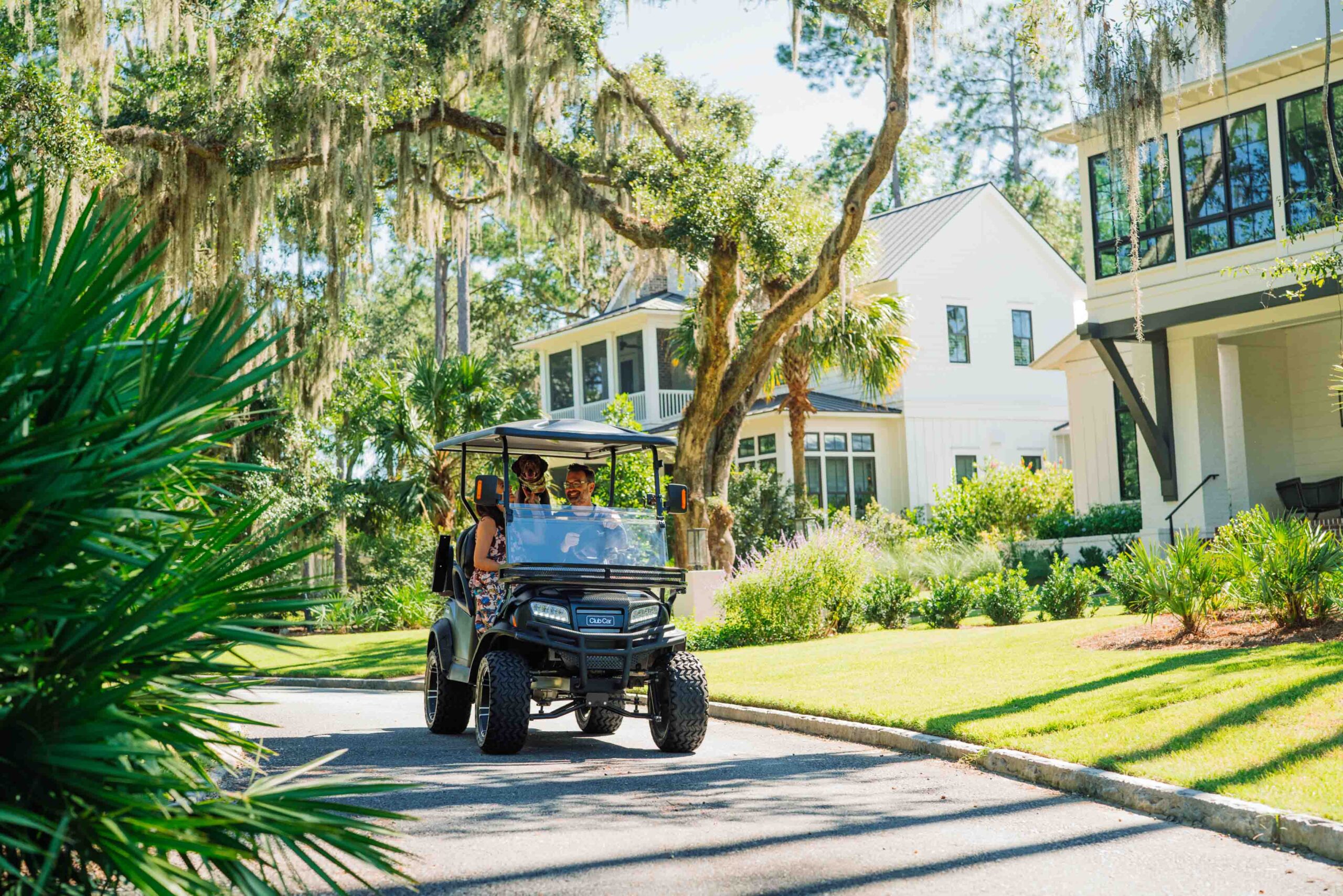
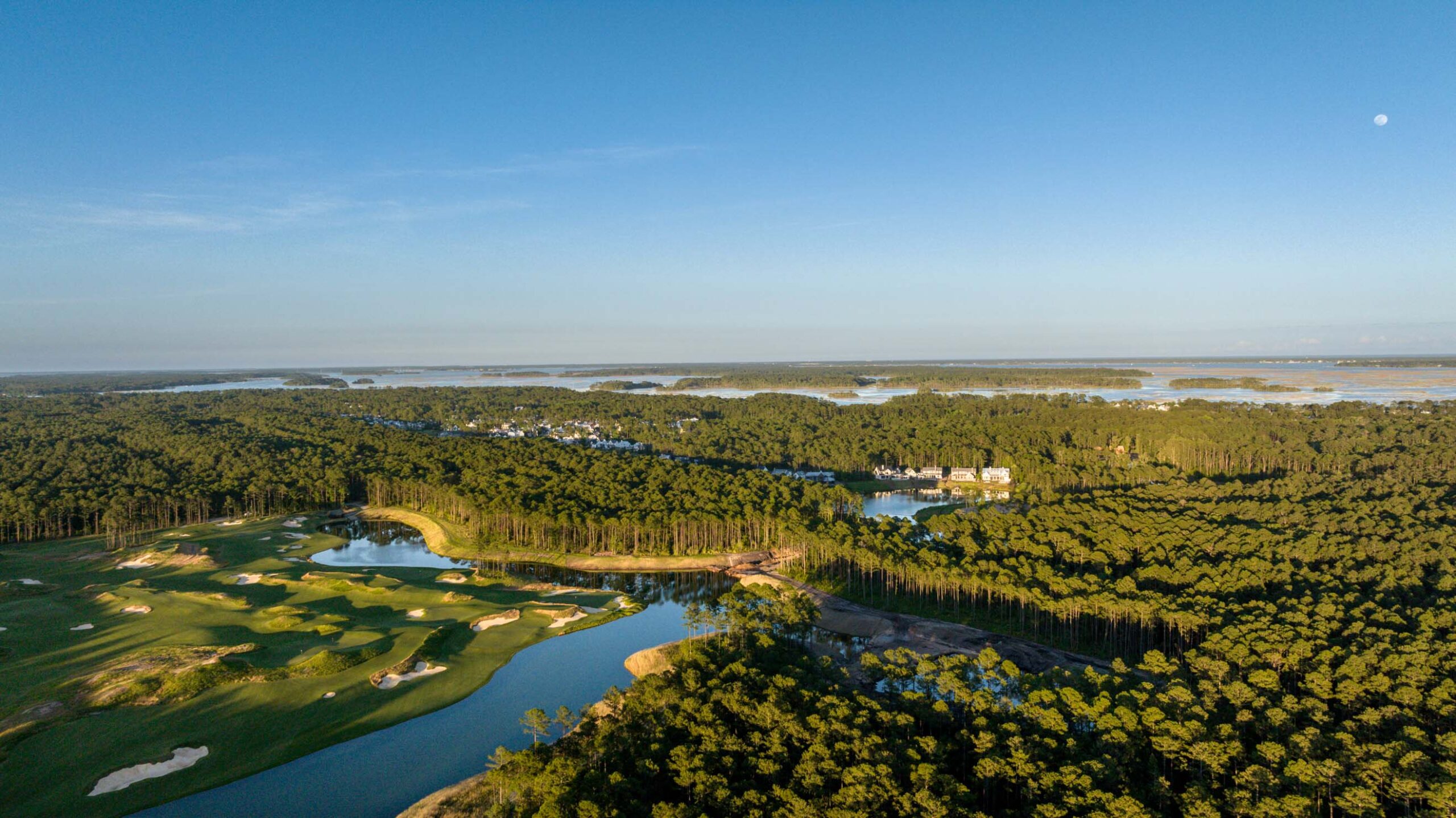
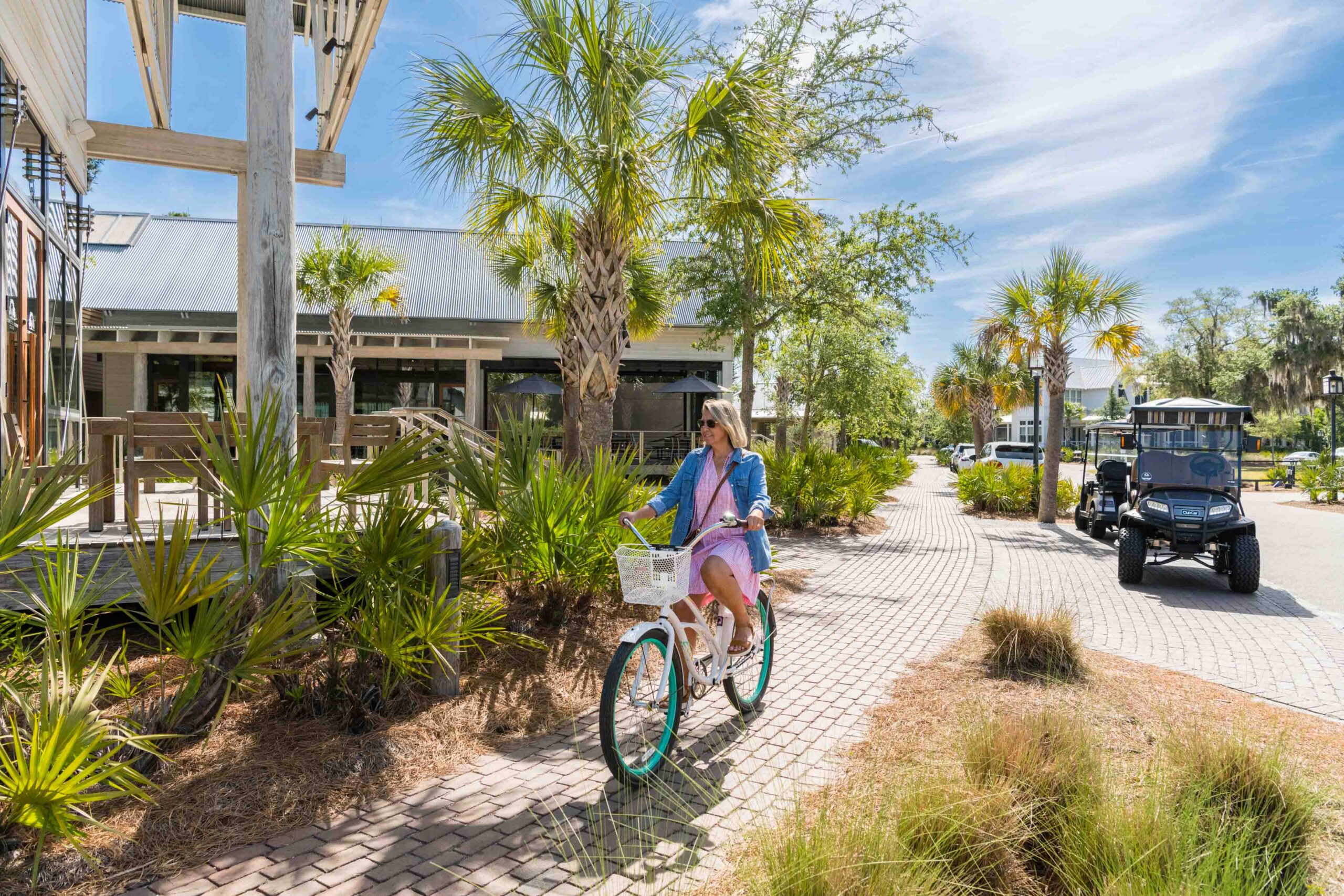
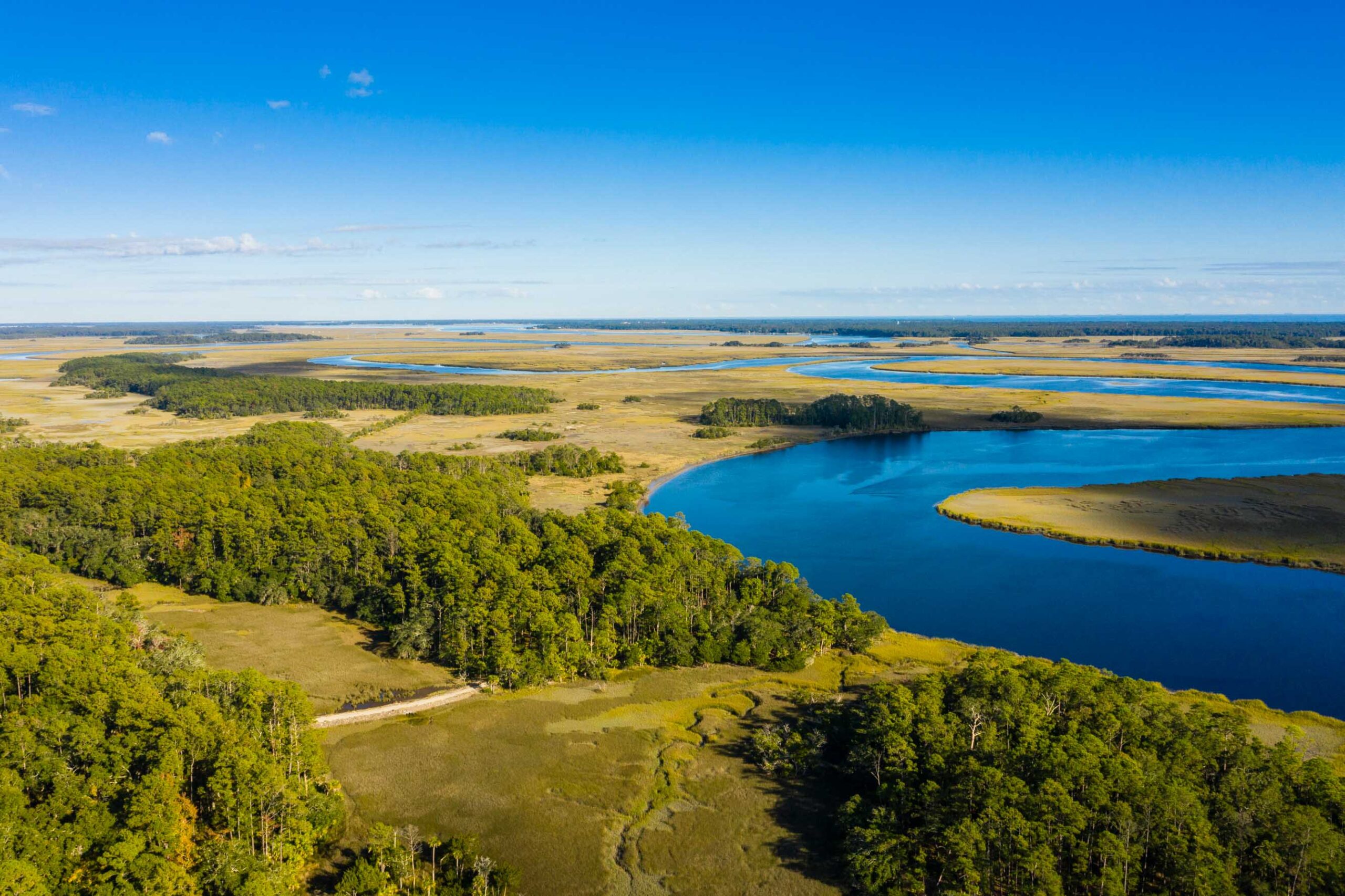
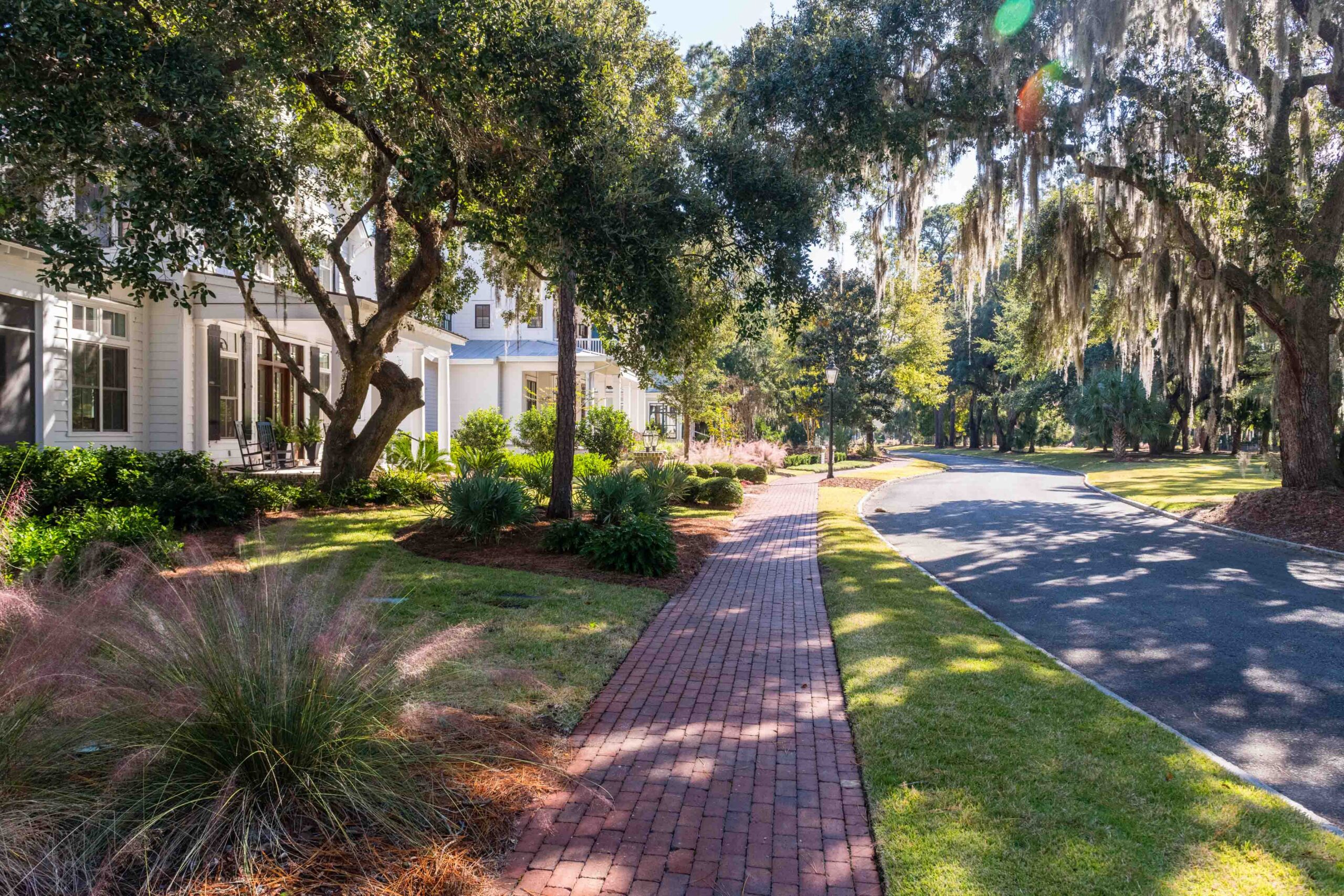
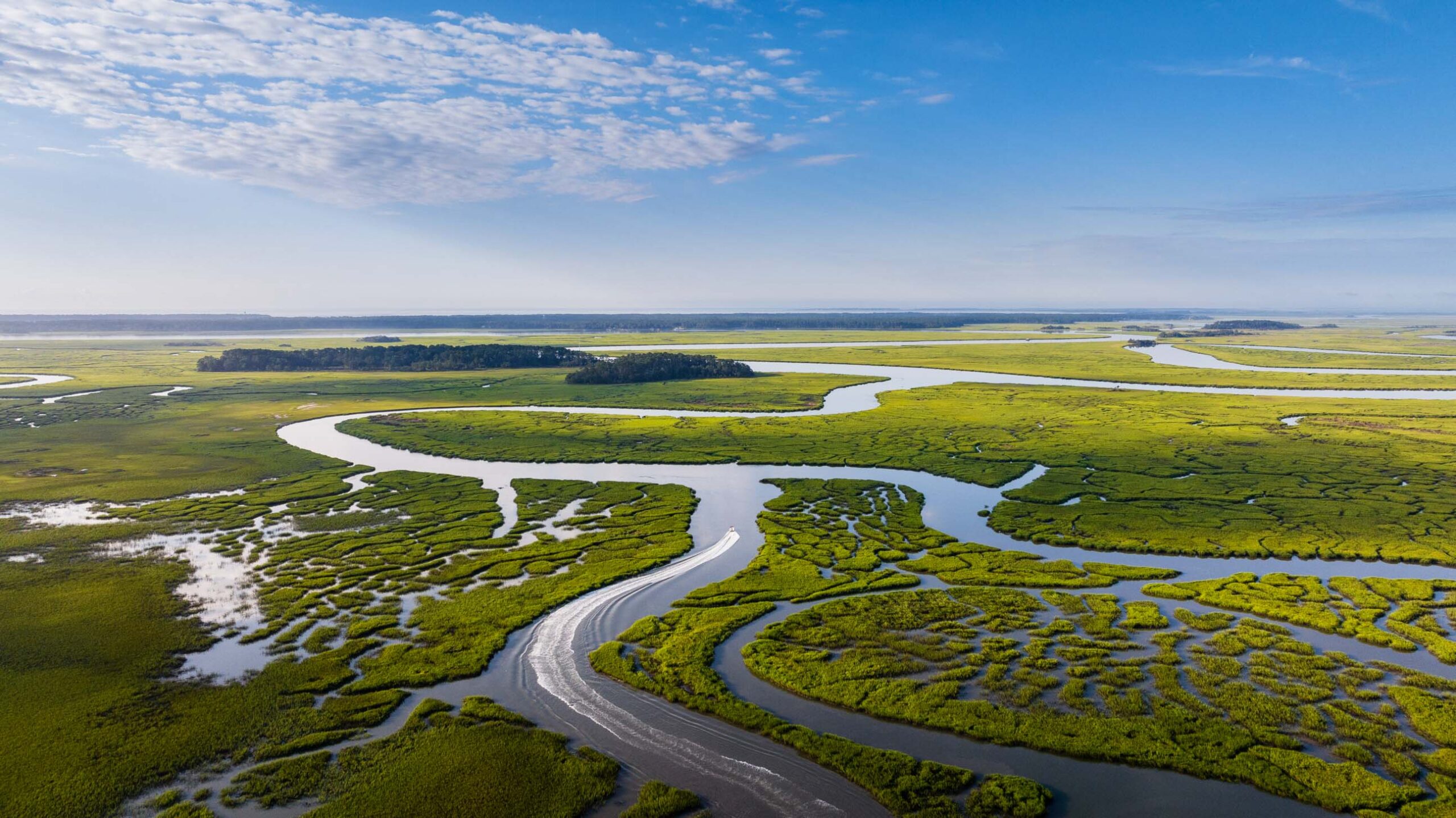
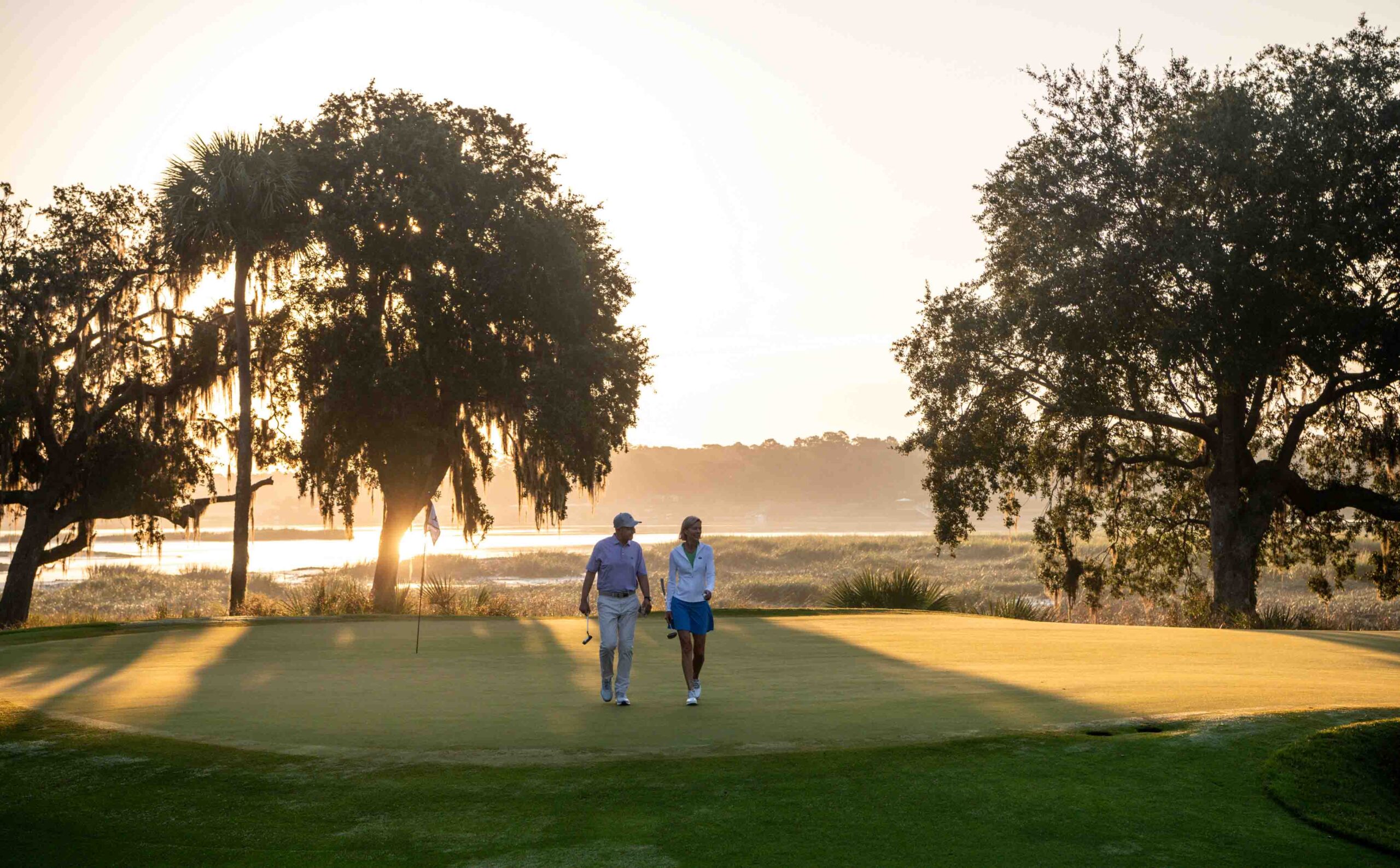
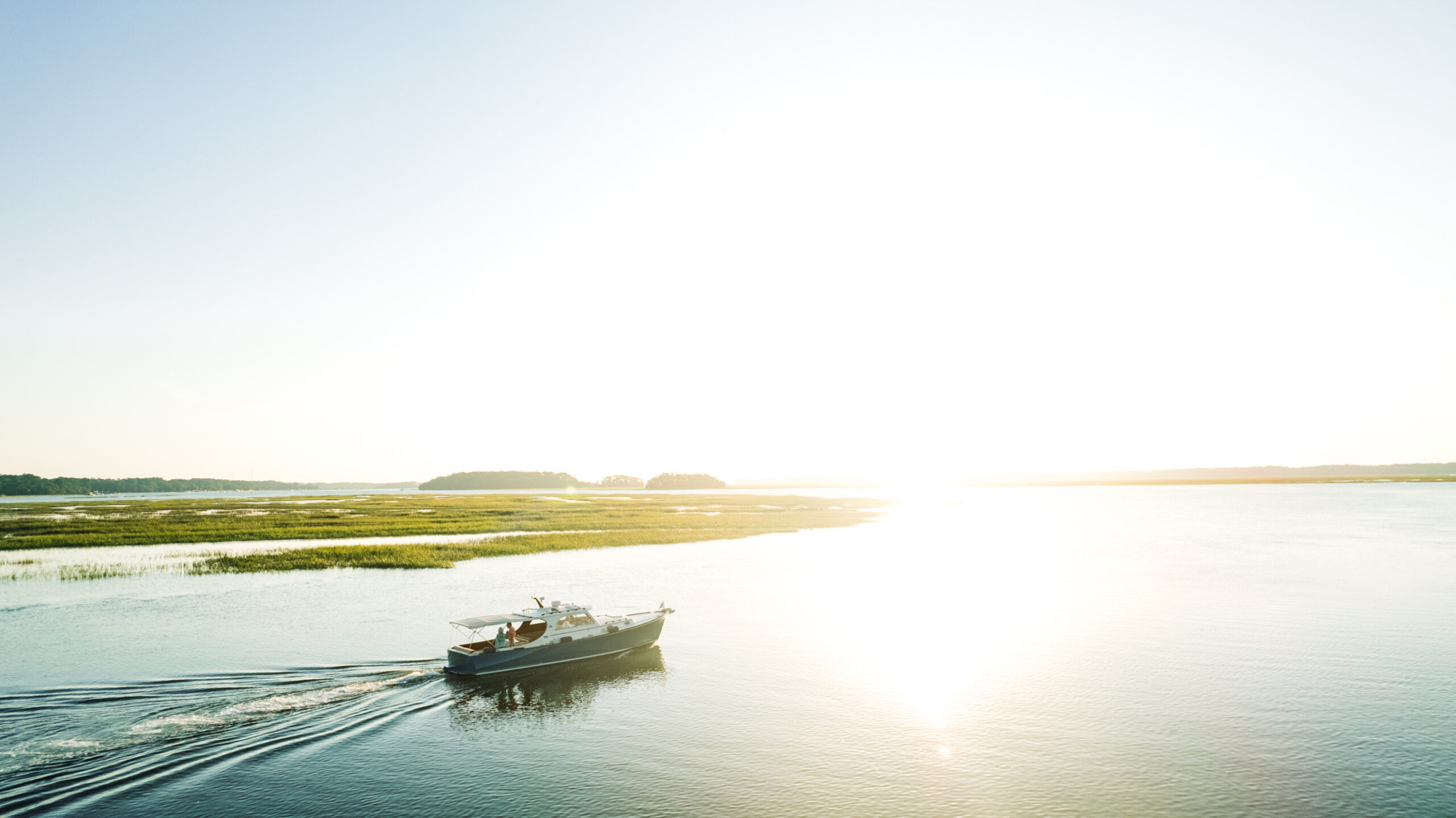
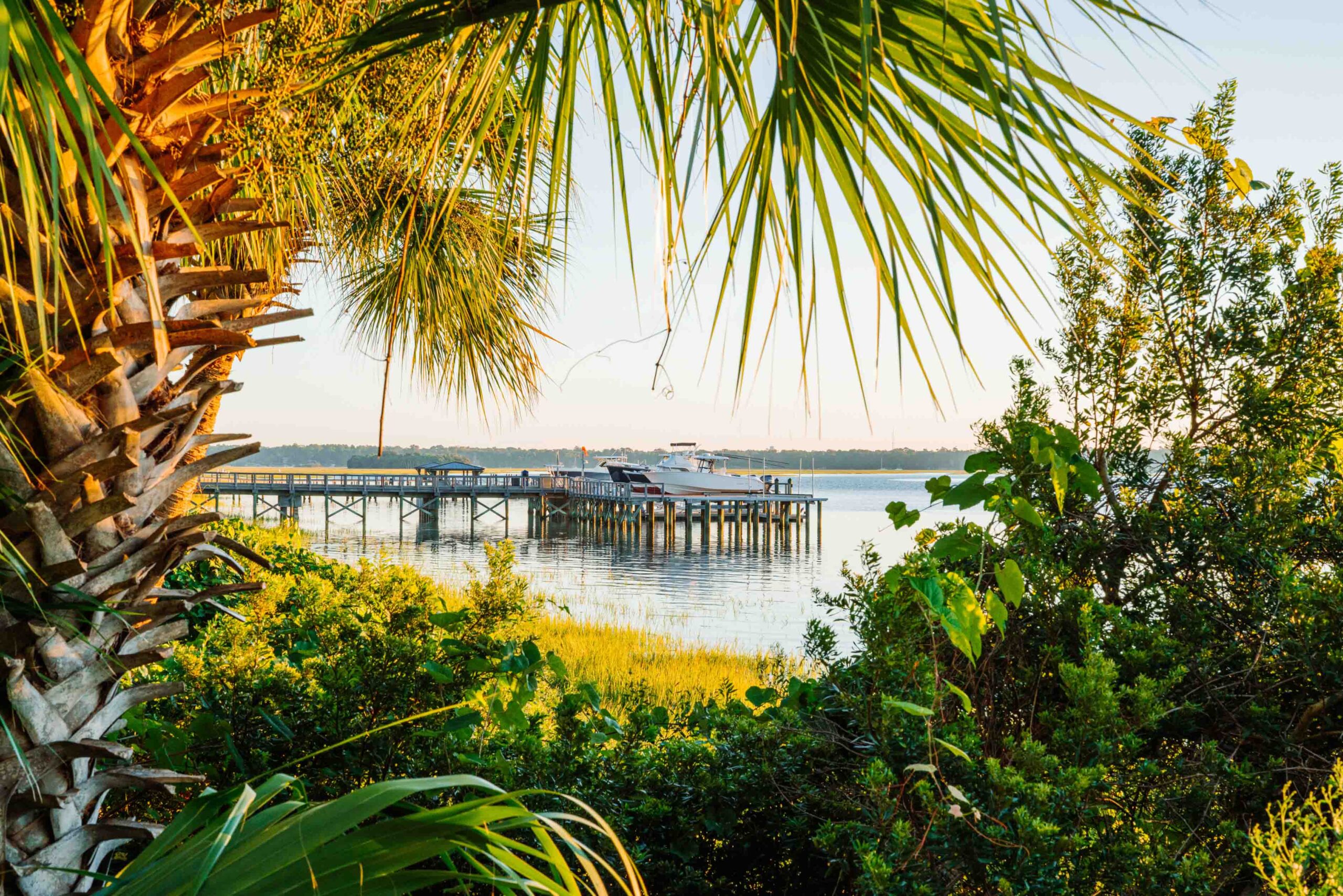
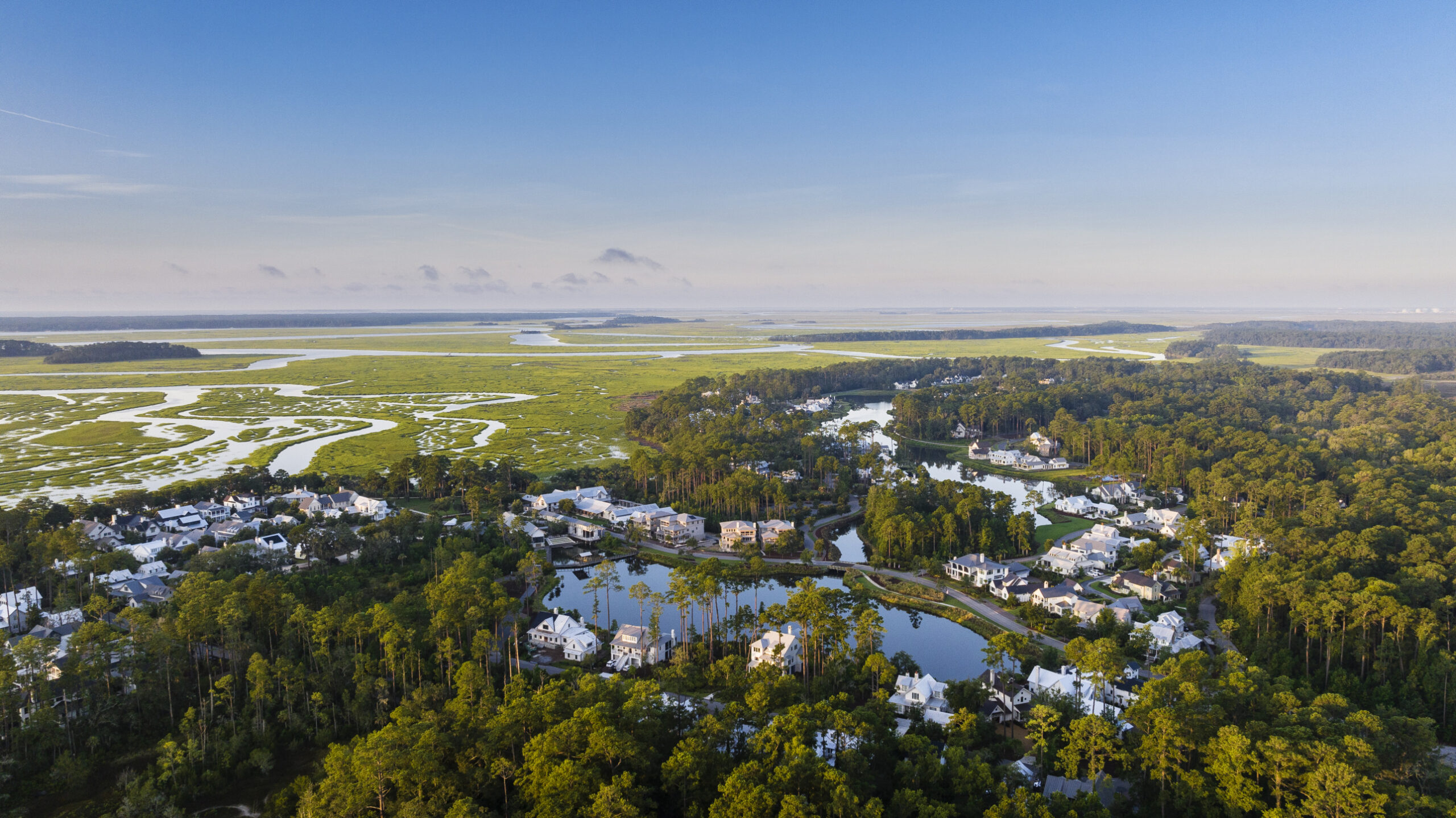
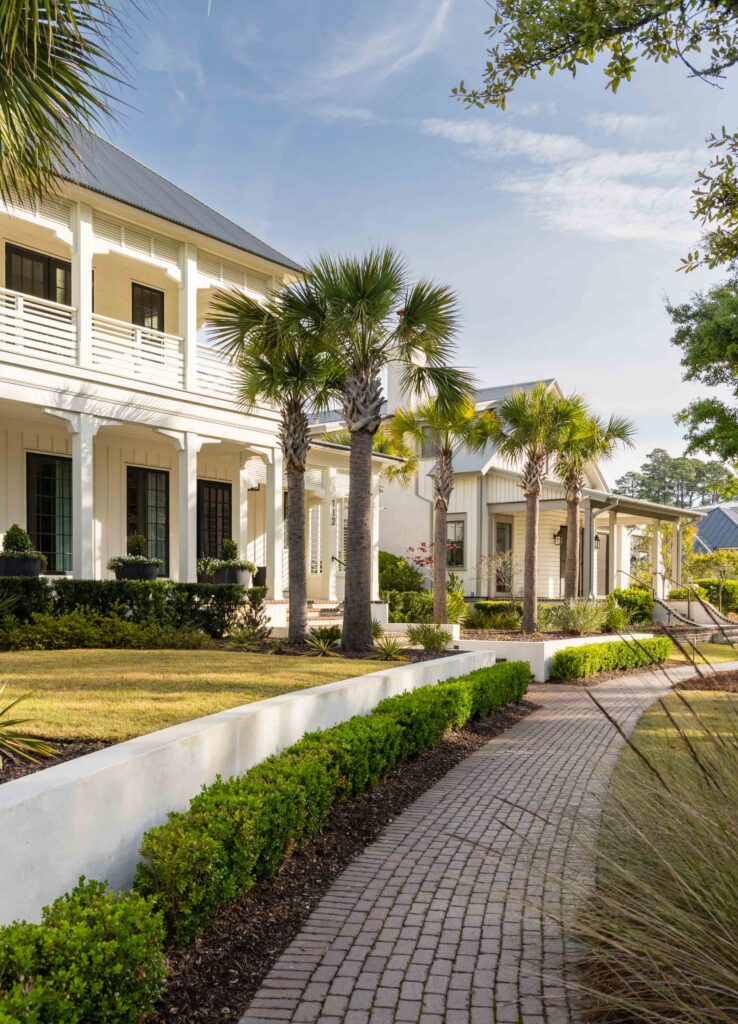
A home at Palmetto Bluff is more than a place to live. It's an opportunity to become part of a community shaped by nature, thoughtful architecture, and a deep respect for the land. Our approach to ownership and design celebrates the individuality of each home while preserving the beauty, character, and enduring sense of place that define the Bluff.
PROPERTY OWNERS ASSOCIATIONS
The Preservation Trust
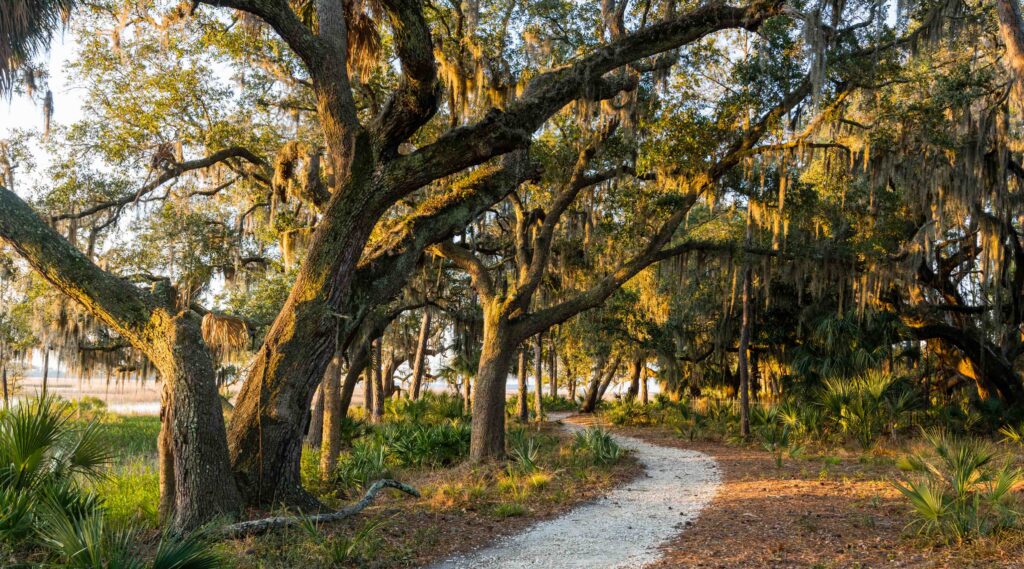
The Palmetto Bluff Preservation Trust plays an essential role in caring for the community and preserving its distinctive character. From maintaining common areas and roads to overseeing community standards and services, the Trust helps ensure that Palmetto Bluff remains as beautiful and thoughtfully maintained as the place homeowners first fell in love with.
DESIGN & CONSTRUCTION GUIDELINES
The Design Review Board
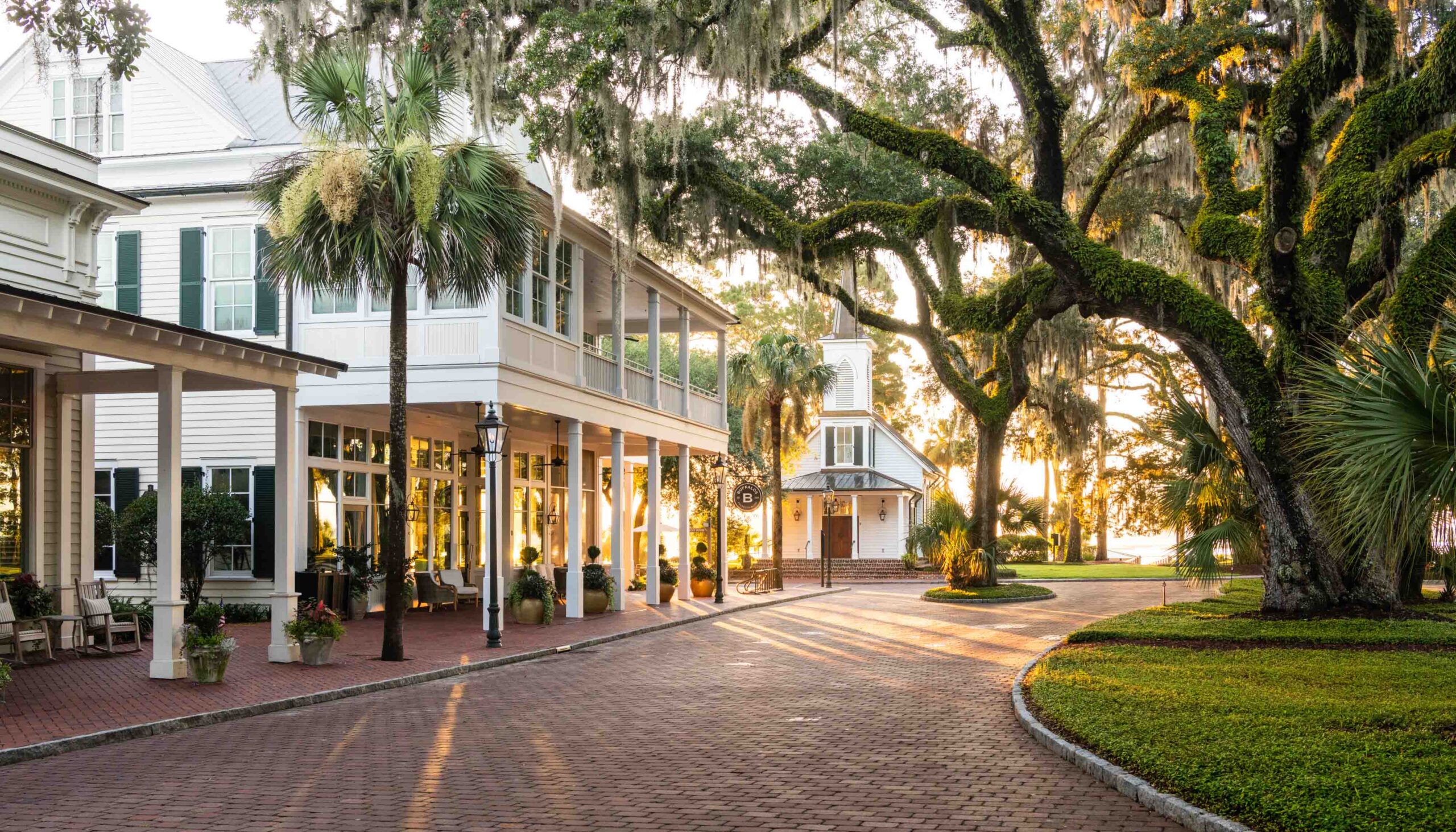
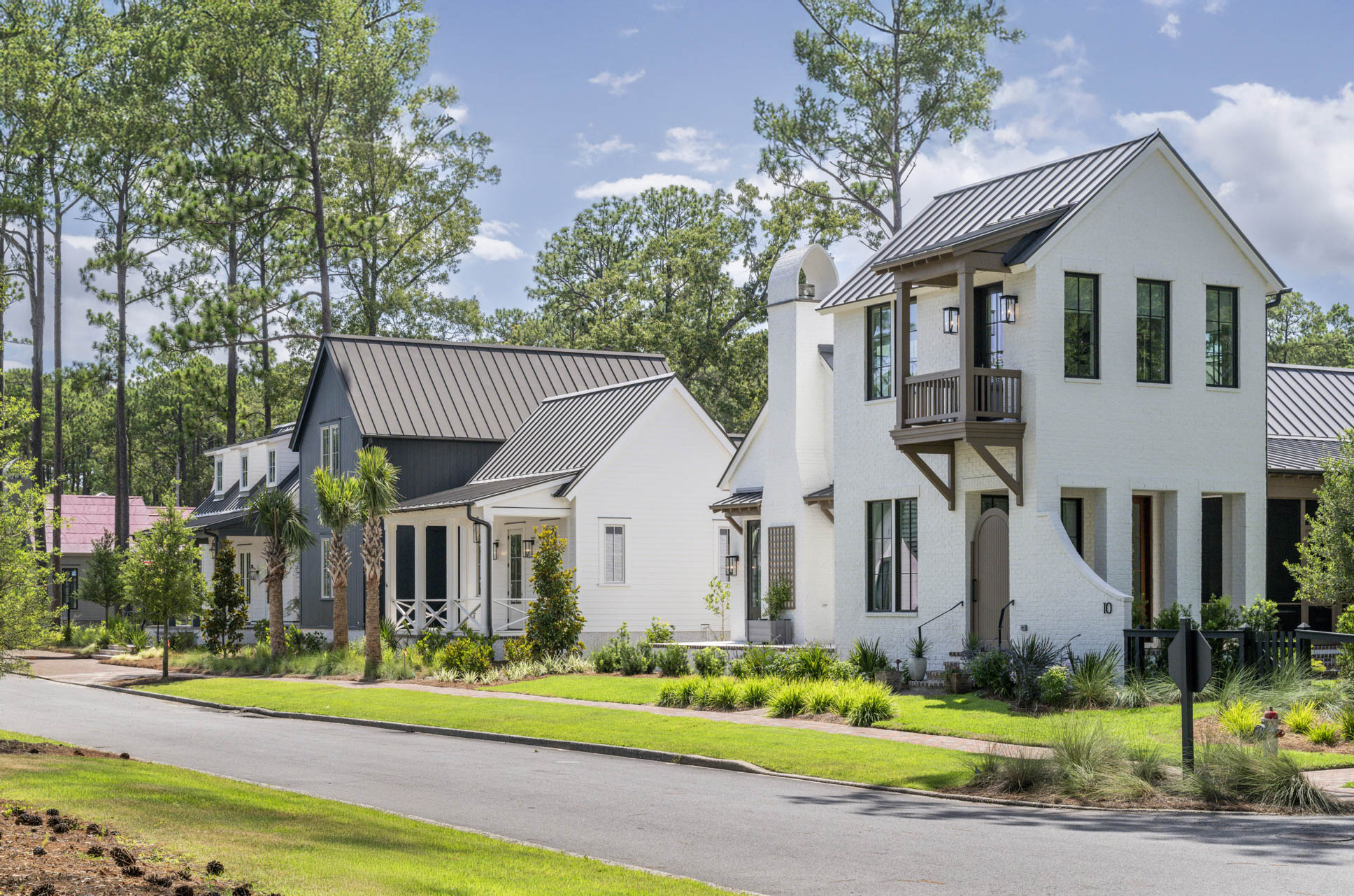
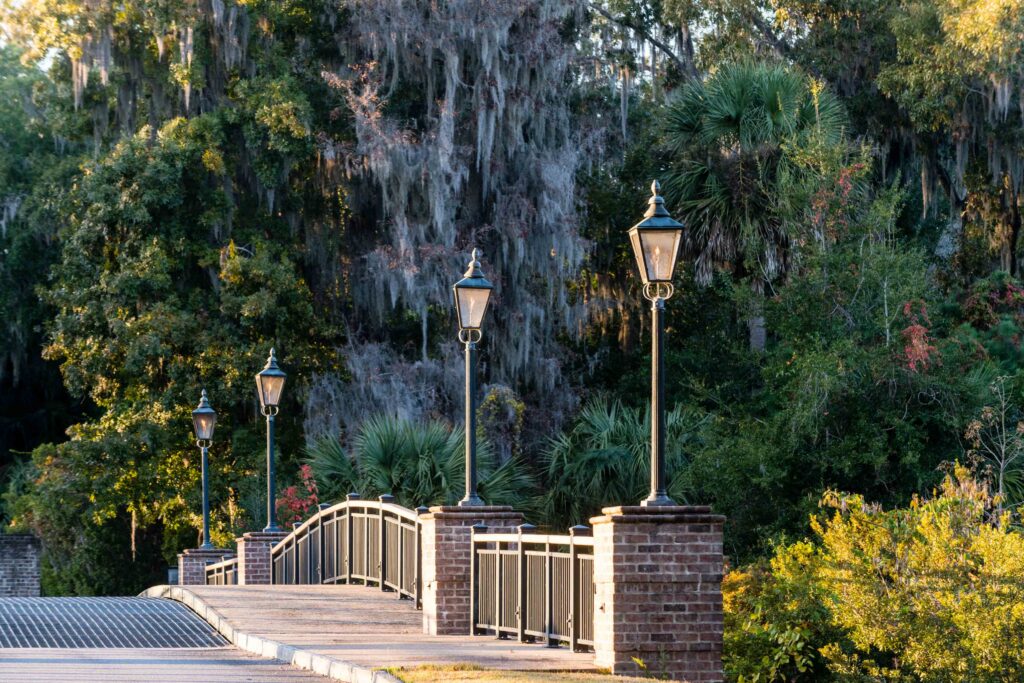
Every home contributes to the character of Palmetto Bluff. Through thoughtful architectural guidelines and a collaborative review process, the Design Review Board helps homeowners bring their vision to life while honoring the natural beauty and architectural traditions of the Lowcountry. The result is a community where individual expression and a shared sense of place exist in harmony.
Ownership & Design
Frequently Asked Questions
What are the current POA dues and what do they cover?
The 2026 General Assessment is $5,886.00 and covers common-area landscaping; road and shoulder repairs; trash and recycling services; safety and security services; common-area enhancements; gas lantern maintenance and repairs; brick-paver sidewalk repairs; storm-drain maintenance and repairs; bridge and dock repairs and maintenance; post office services; trail and park systems; dog park maintenance; dog-waste station repairs and maintenance; lagoon system maintenance; power-washing services; Fire Station No. 37 maintenance; tree care; insect control; gate systems; mail kiosks; the River Road Preserve comfort station; community garden maintenance and repairs; tree removal and mitigation; and sign maintenance and repairs.
Is there a one-time POA initiation fee?
No.
Are Club dues separate from POA dues?
Yes
What are the different Neighborhood Associations?
The Point Trust, Longfield NOA, Moreland Row Townhomes, Boathouse Row, West Village Trust & Village Trust
What are the rules around short-term or long-term rentals?
Short-term rentals (stays under six months, including paying friends or family) are permitted only for homes in a Designated Rental Area. Owners must register the home with the Club concierge and submit a reservation for each guest stay, along with a $25/night administration fee. Guests receive Club amenity access for an additional per-person fee, subject to community guidelines around parking, noise, and amenity use. Long-term rental terms are addressed separately under the Preservation Trust covenants — contact the POA office for details.
What does the DRB review – new construction only, or renovations and additions, too?
The DRB reviews any proposed exterior change to a home or its landscape — not just new construction. This includes renovations, additions, landscape changes, fence additions, and tree removals.
How long does DRB approval typically take?
The DRB meets twice a month, on the second and fourth Wednesday, with submittals due by 5 PM the prior Wednesday to make that meeting’s agenda. A separate Monday process handles Minor Improvements. Timing depends largely on how closely your design team’s submittal follows the Design Guidelines — incomplete submittals often require additional rounds of review.
Do I need my own architect?
Yes. Only licensed architects and landscape architects may submit design applications to the DRB, and only DRB-approved builders may make construction submittals. The exceptions are exterior color change requests and tree removal requests, which owners can submit directly.
Are there restrictions on home size, style, or exterior materials?
Yes. Each lot has a maximum impervious coverage limit that governs the footprint of structures and hardscape, and exterior colors are reviewed to maintain a varied streetscape rather than repeating palettes. All homes must align with the community’s Lowcountry architectural style. Full requirements are in the Design & Construction Guidelines on the Member website.
Do I need DRB approval for smaller projects like fences, pools, or landscaping?
Generally, yes. Fences and pools both require DRB review — for pools, the office confirms your lot has adequate space and impervious coverage available. For landscaping, adding sod always requires approval; adding a few plants from the approved list does not, but changes to more than 50% of existing landscaping need a landscape architect’s submittal.
RESIDENT STORIES
Finding Their Place at the Bluff
A first visit sparked a connection. A return visit led to the purchase of a homesite. Hear Amy and Scott Johnson share how they found their place at Palmetto Bluff—and the outdoor lifestyle that makes it feel like home.
Questions about ownership or the design process?
Talk to Our Real Estate Team.
They are the experts and can guide you through everything you need to know to start your life at Palmetto Bluff.