Written by Palmetto Bluff
Jun 22, 2023

In developing the Palmetto Bluff vernacular, a new vision emerged that drew a line in the sand between perfect and real.
By Barry Kaufman
One of the greatest minds the South has ever produced posed a question 130 or so years ago that, in all the intervening years of human advancement, we still have not been able to answer. Speaking through his character Huck Finn, Mark Twain wrote, “We had the sky up there, all speckled with stars, and we used to lay on our backs and look up at them, and discuss about whether they were made or only just happened.”
The stars, as beautiful as they are, retain the mystique that entranced Huck and Jim as they sailed the Mississippi. Were they made? Did they just happen? But then again, does it matter? When something is as beautiful as a night sky glistening with light, do you really want to question why?
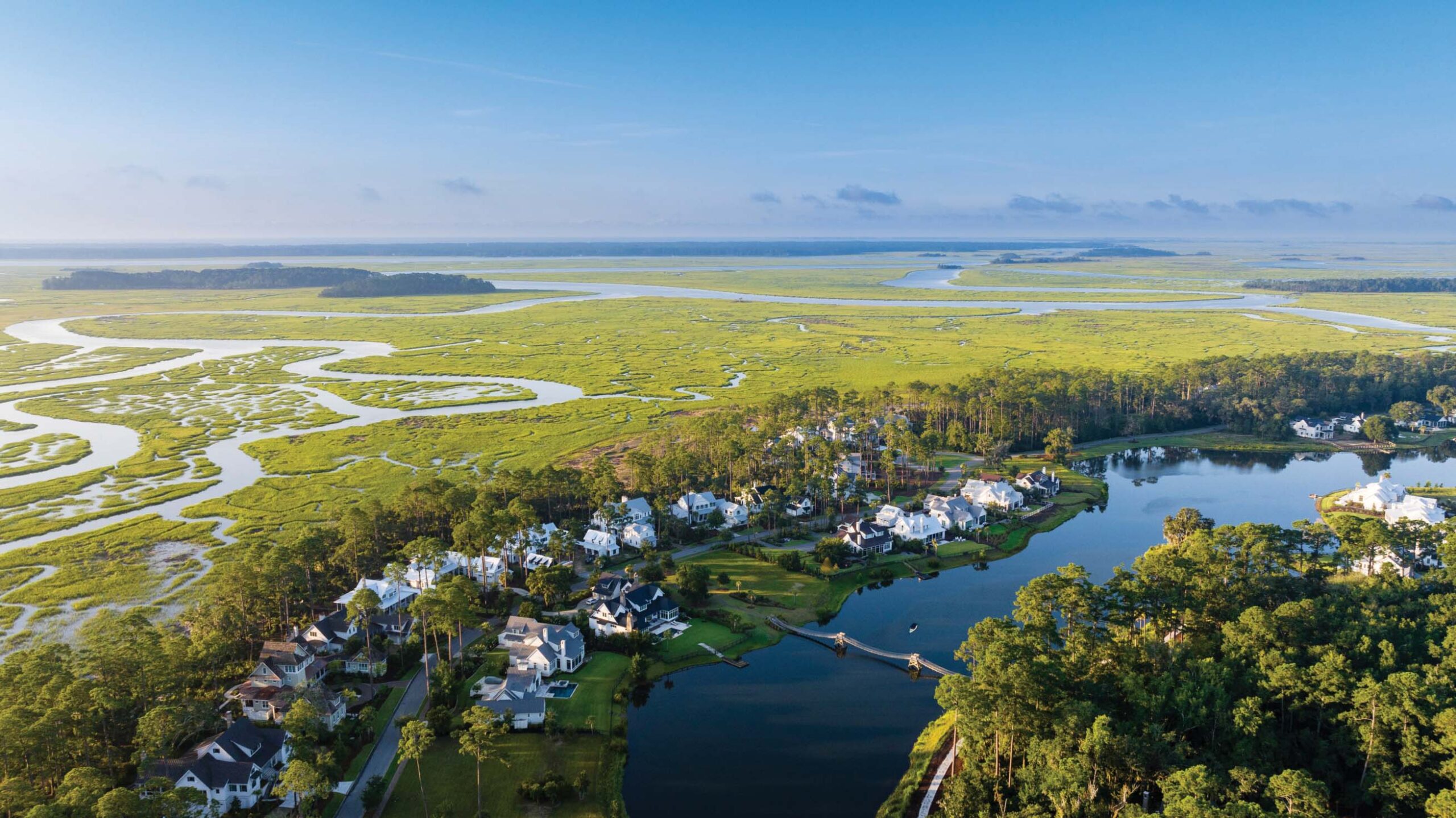
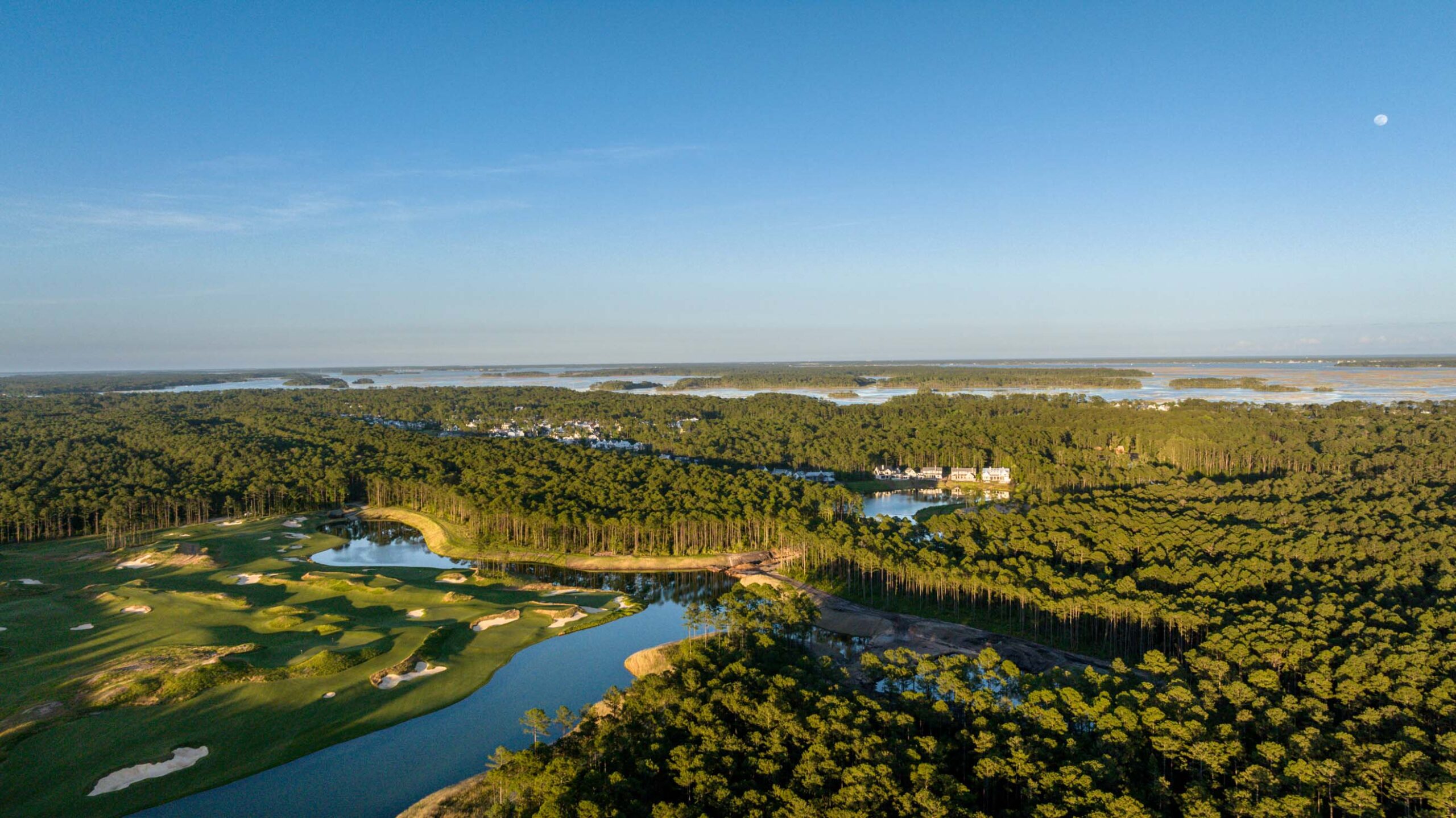
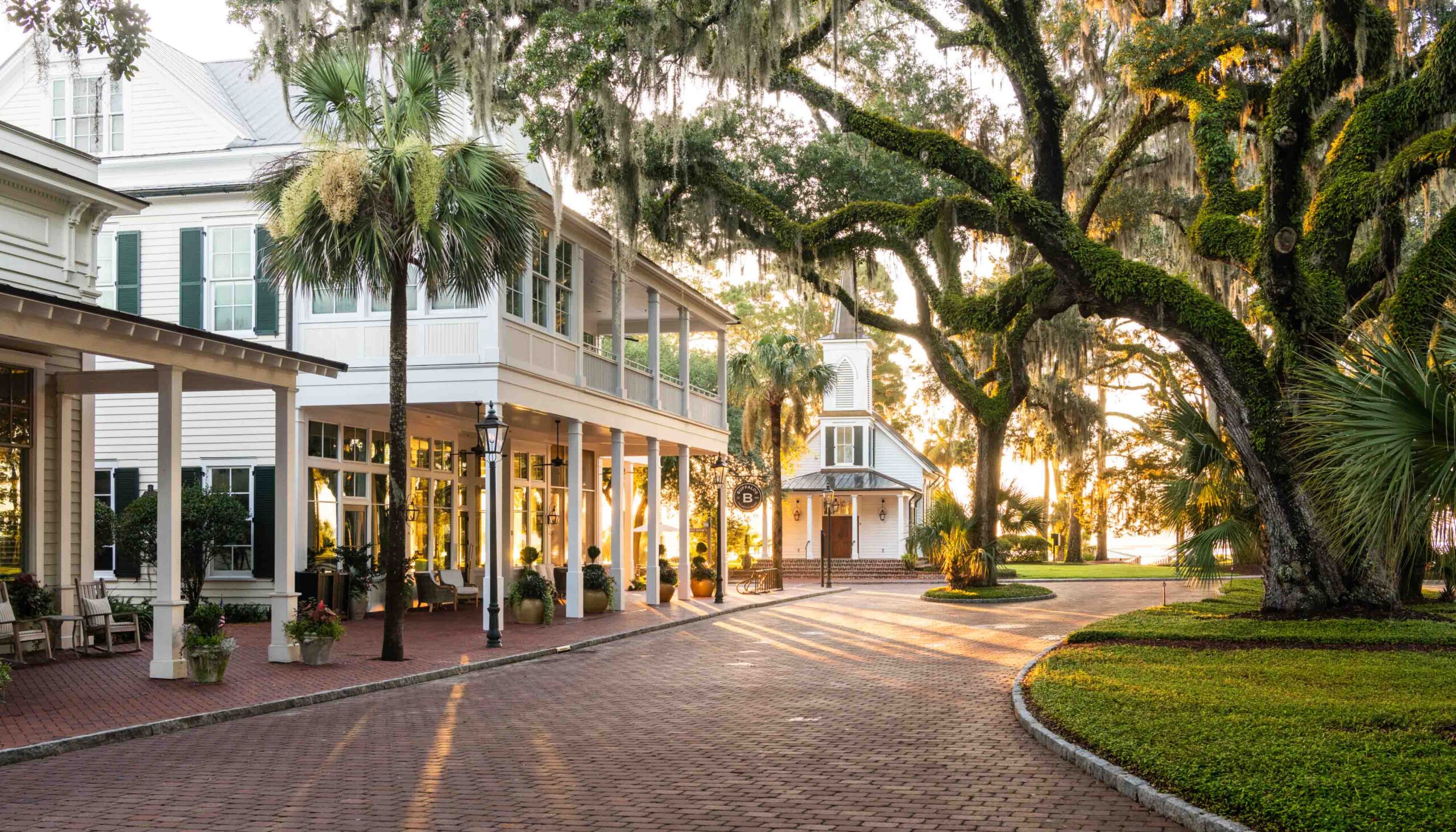
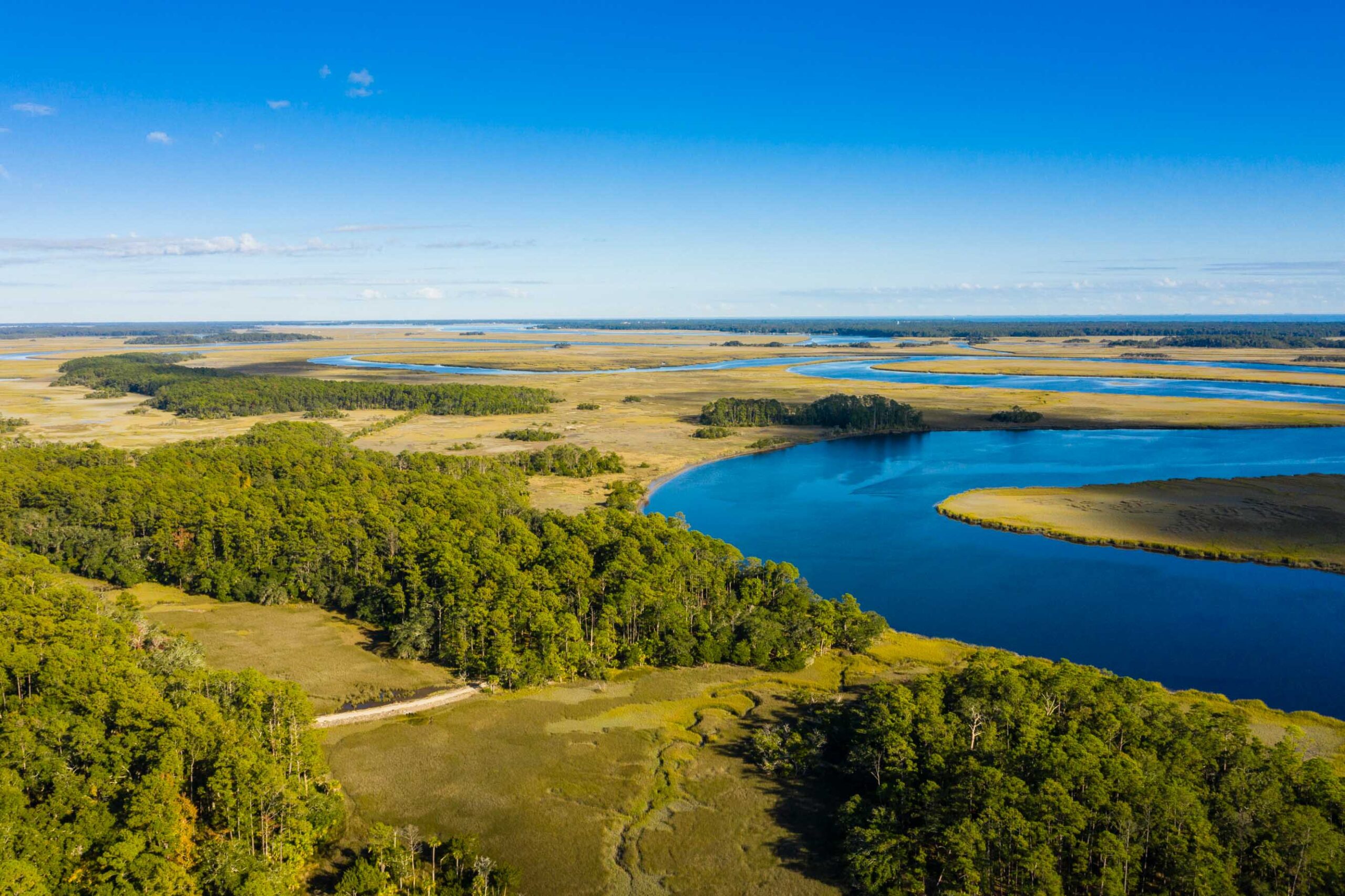
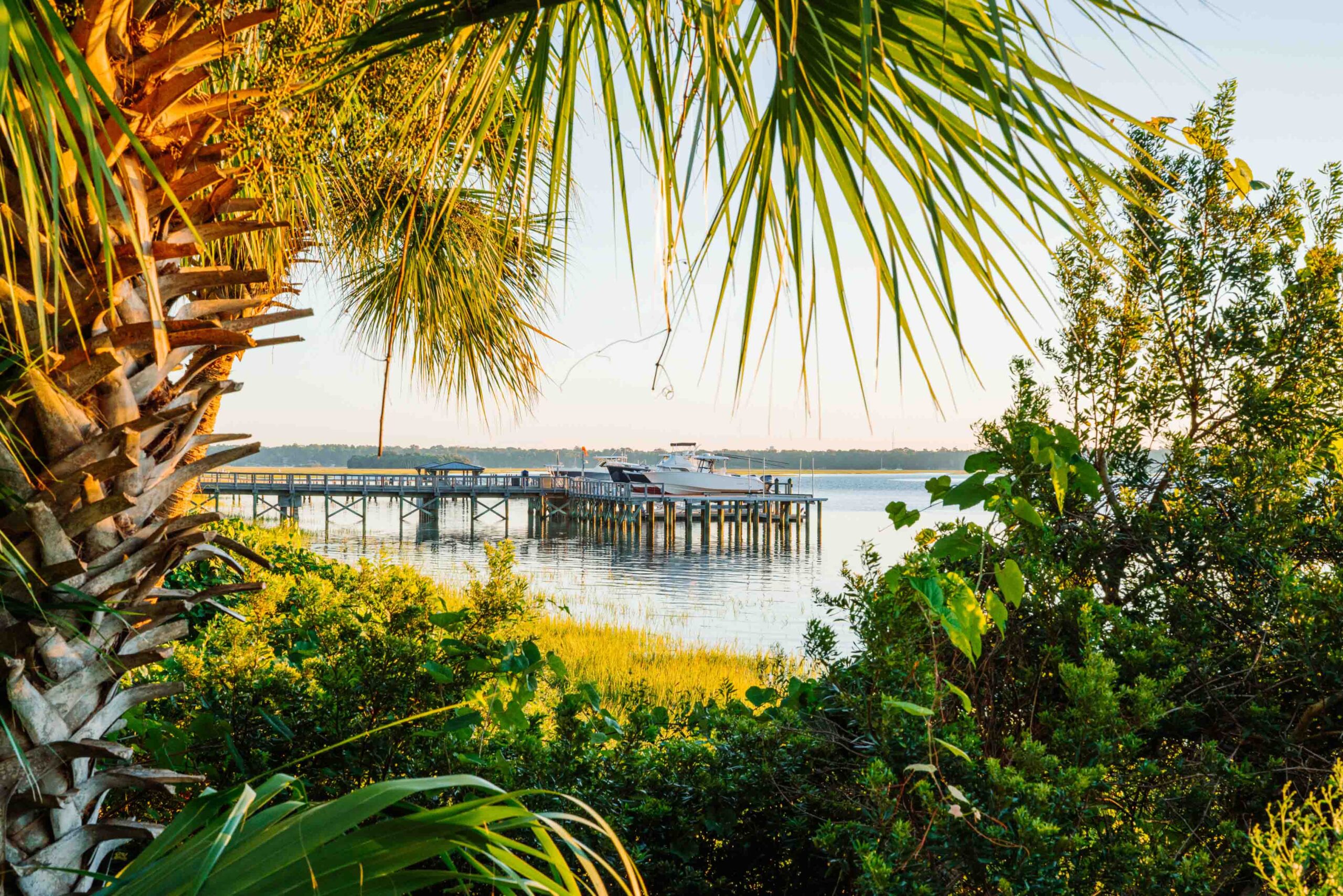
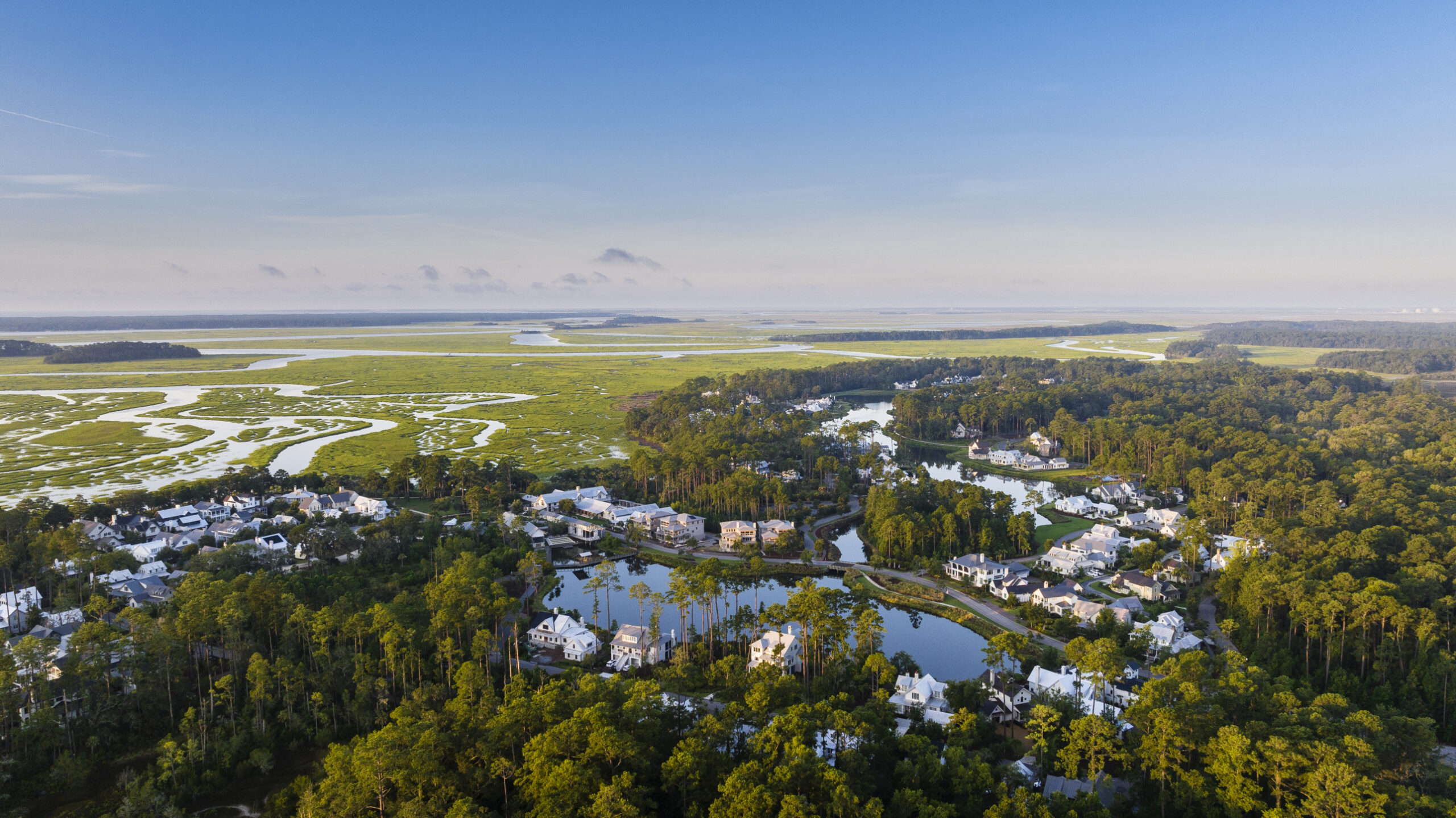
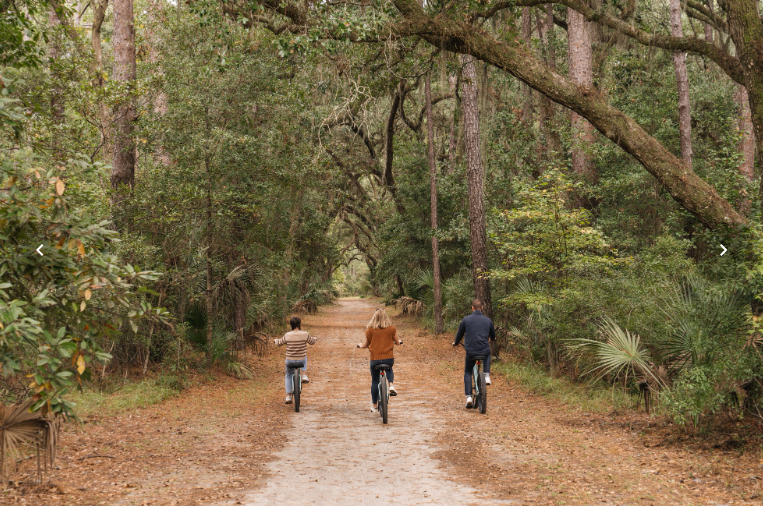
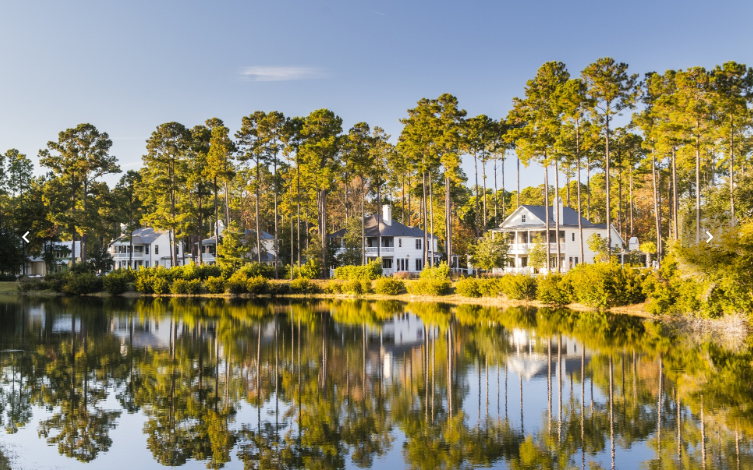
You might ponder a similar question when you enter the gates at Palmetto Bluff. The broad expanse of the bridge over the tranquil headwaters of the May River, the strip of road winding beneath a leafy canopy, the glimmer of water through the canopy of oaks at Wilson Village, feels like maybe it’s both. It was made, certainly, but somehow you can’t shake the feeling that it all just happened.
Ironically, that feeling that you’re seeing beauty’s spontaneous creation was very much by design.
“We didn’t want Palmetto Bluff to associate itself with being a planned project. We wanted it to evolve over time. That’s why they used to say, ‘It’s a place, not a project,’” says Director of Development and Construction David Sewell. “They didn’t want it to look like the standard kind of community that is up and down in seven days.”
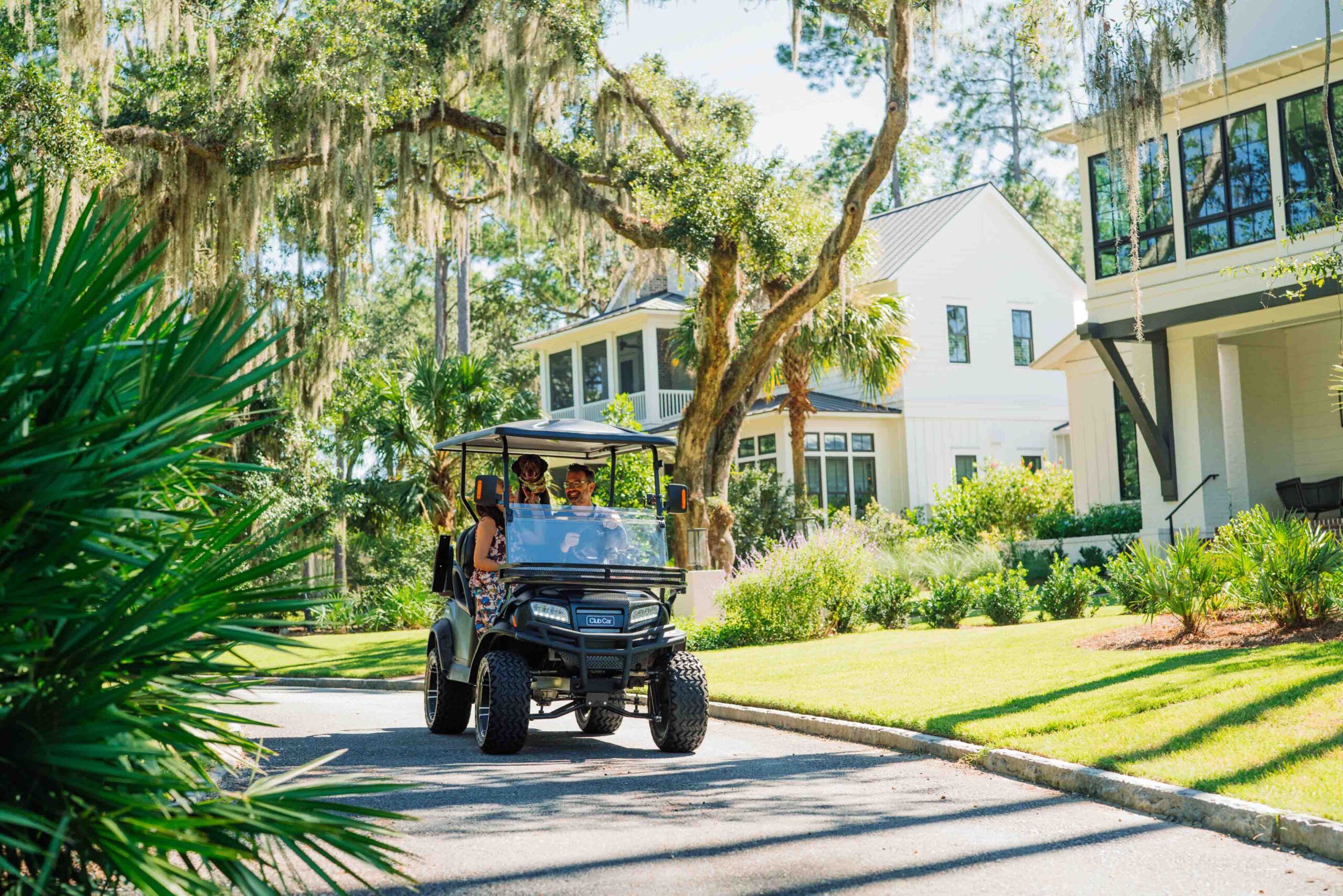
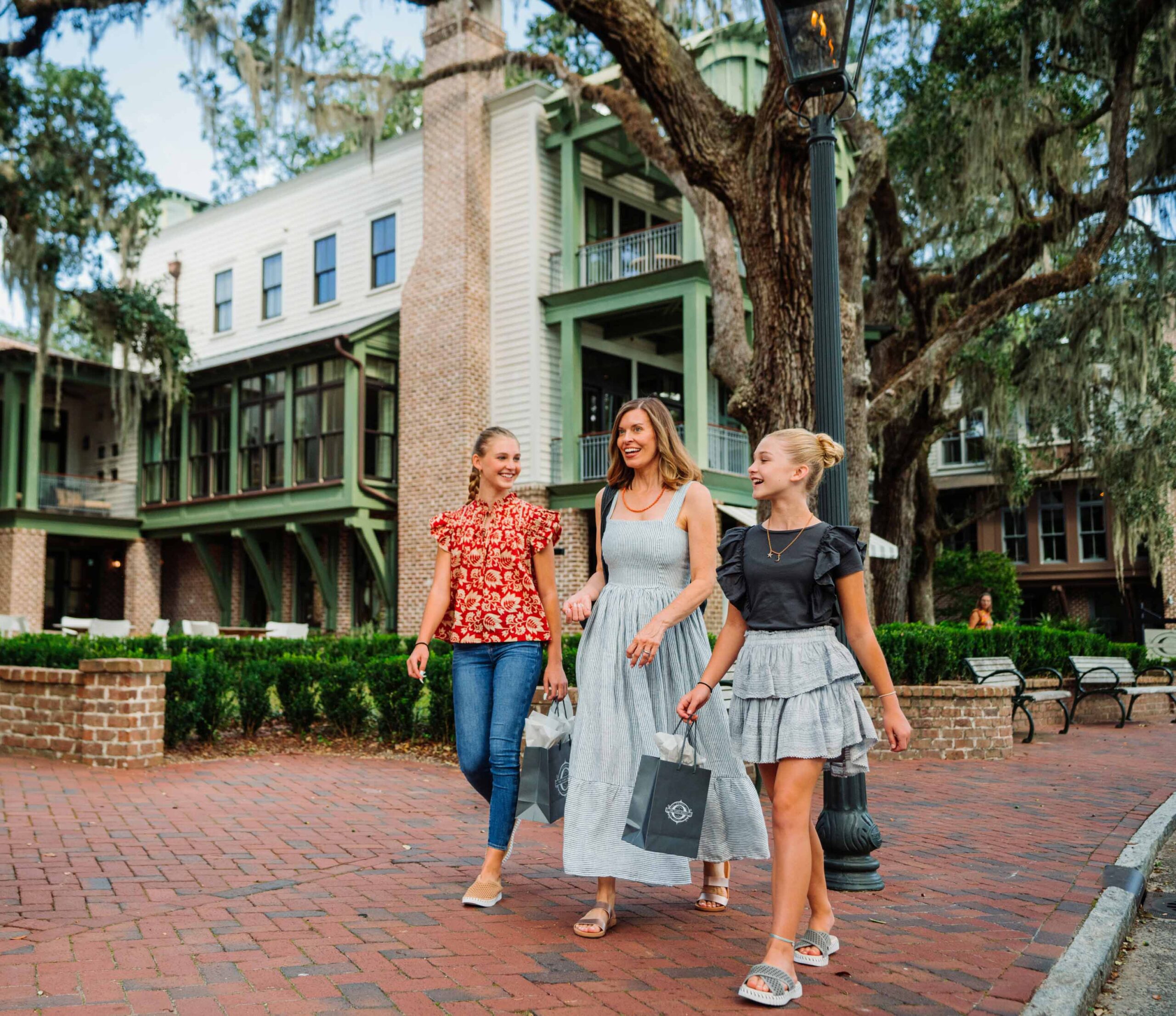
If you ask Sewell what makes Palmetto Bluff what it is, he’ll point to the countless details that were obsessed over in the early years. How the timeless granite curbs in Wilson Village were worth the expense and Herculean labor. How the gaslights that line the streets were handcrafted in New Orleans. How the type of asphalt used in the roads was chosen to mimic a quiet country lane. How the grass lining the roadside is kept just long enough to catch a breeze.
“By design we didn’t want any of this to be in your face. We wanted it to be subtle,” he says.
Over time, these subtleties coalesced into a look that is unmistakably Palmetto Bluff, not easily replicated (although many have tried). Spearheaded by original developer Jim Mosely and the San Francisco-based architecture firm Hart Howerton, it’s a look as Southern as sweet tea and as timeless as the May River.
“Jim Mosely and the team at Hart Howerton established a way of thinking that borrowed from the past,” said Mark Permar, who was part of the original development team. “But you borrow from that in a way that feels like it’s been there awhile. So then it gets down to material, window opening, color, texture, all the choices you have to make in a home are hopefully all intersecting into a vision that’s true to its location.”
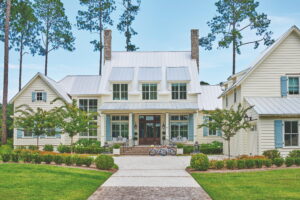
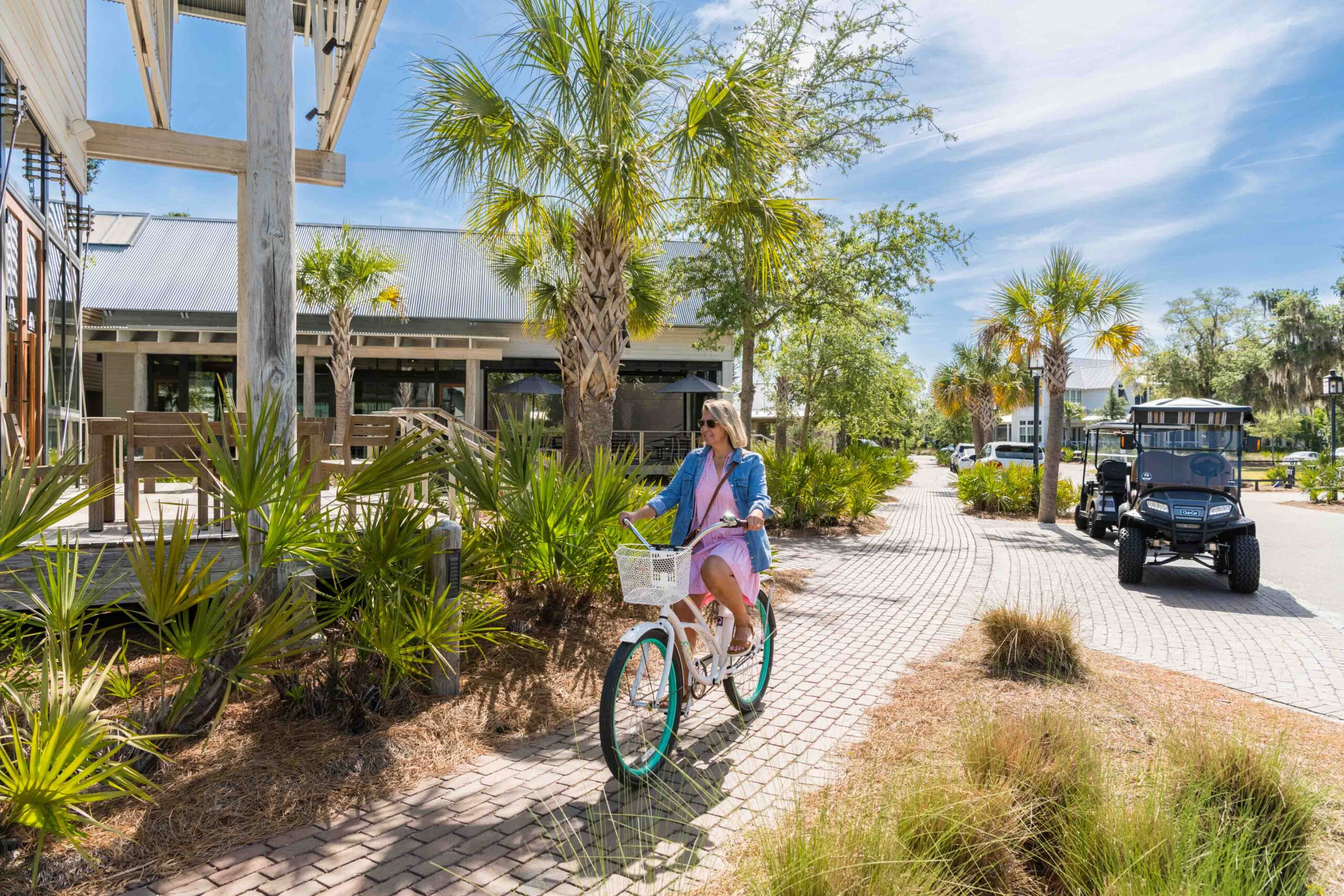
Part of Permar’s original role was translating that original vision, one rooted in the rich history of the Lowcountry and bringing it outside the small-town grid of Wilson Village’s streets. Just as the team had gone into exhaustive detail to create an atmosphere of a small coastal town, they also replicated the way small town streets give way to wide country roads, and the way small villages connect and express their own history.
“If you look at Moreland Village, for example, there’s a different approach to architecture,” said Permar. “The materials are similar, the color range is similar, but it’s more progressive in its architectural style. If you agree with certain principles—the sense of scale, the response to the environment—there are varied ways you can express that. It doesn’t need to fit neatly into a Lowcountry white bungalow.”
Of course Palmetto Bluff is more than just streets, villages, and amenities. Part of the draw has always been the people, the neighbors who share quiet evenings on a porch swing. And their homes do more to tell Palmetto Bluff’s story than any streetscape ever could.
“People who come here pretty much get it right away because there’s so much that’s been established,” said Stephanie Gentemann, who sits on Palmetto Bluff’s design review board. “During the original planning, they formed a set of guidelines that have not changed much since their inception.”
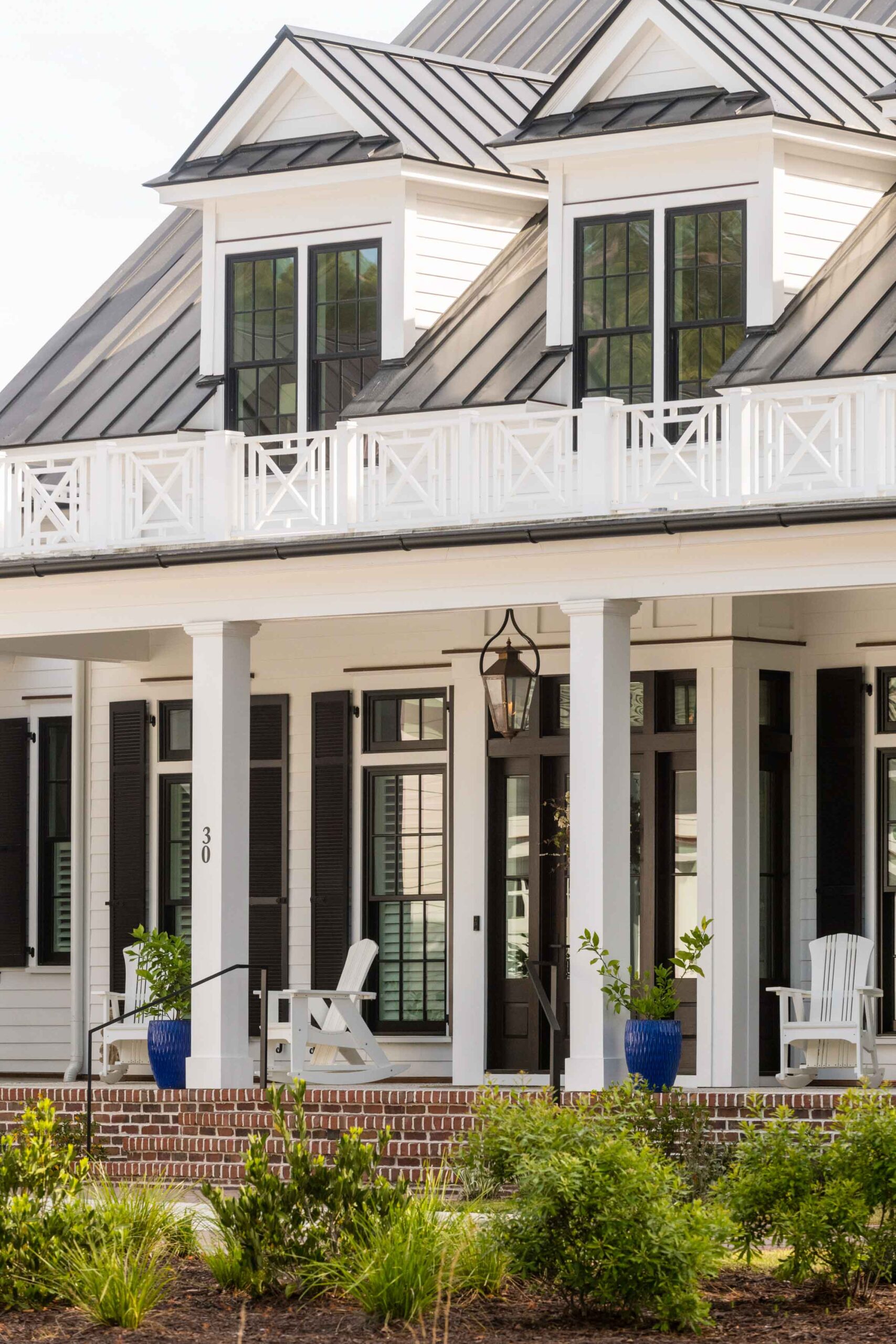
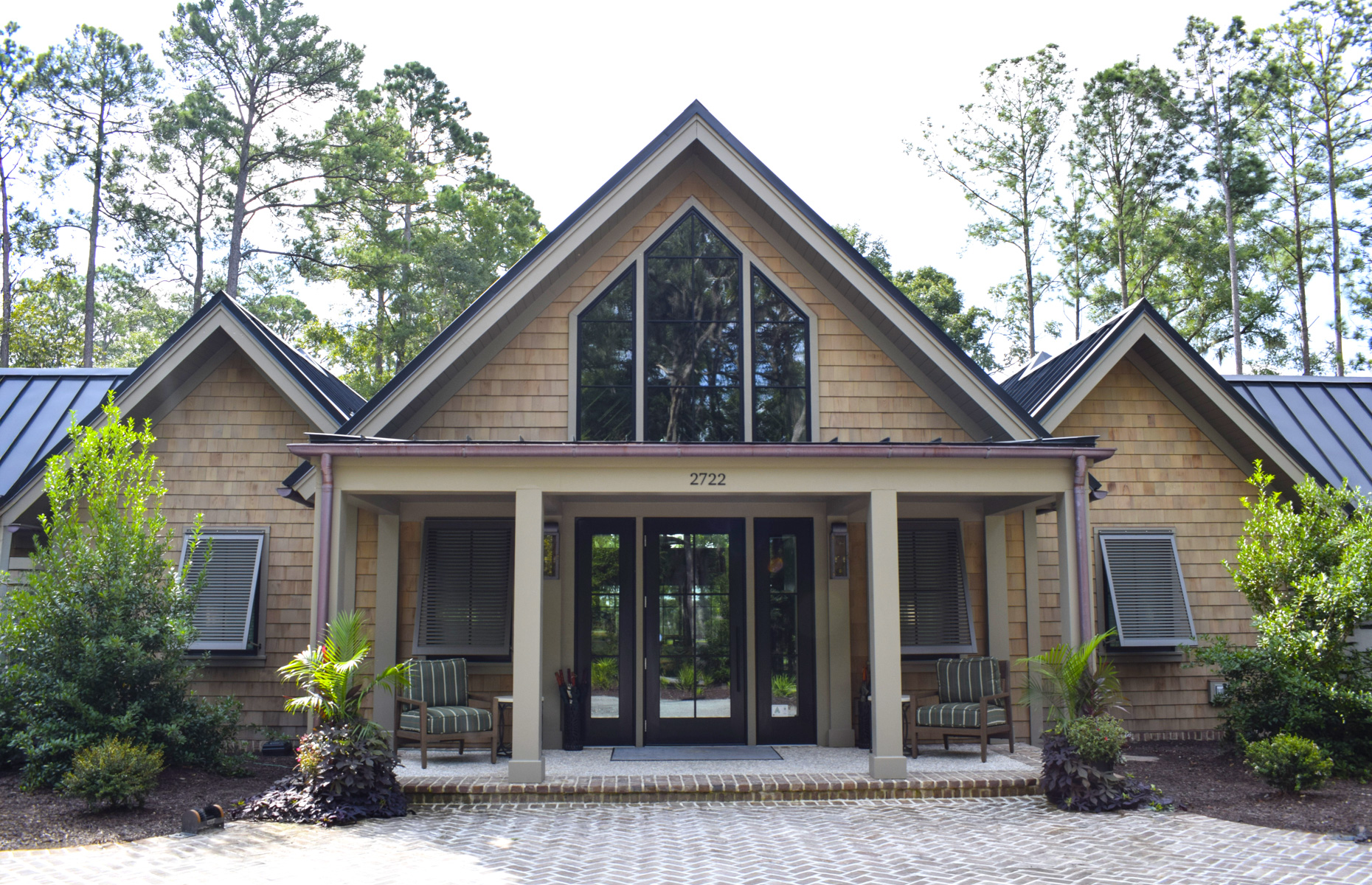
In the same subtle way that the architecture of Wilson and Moreland Villages evoke a sense of moving through time, homes in Palmetto Bluff carry the hallmarks of family estates that go back generations. A raised foundation was necessary in the antebellum era to catch the breeze and keep bugs away. Today they create a sense of scale. Wide front porches were a place to escape the stifling heat of the inside before air conditioning came along. Today they create a sense of hospitality.
There’s even a nod to history in the way that Palmetto Bluff homes tend to favor masses of smaller outbuildings rather than one single dominating structure.
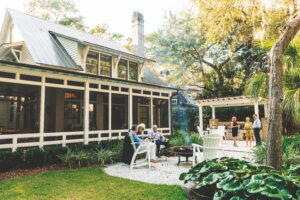
“It goes back to how families used to live,” said Gentemann. “You had a piece of land, you built a house, and then the house adapted to the family. This generational massing creates a language and breaks it down to a human scale.”
In this way, the homes help tell the story of a community with far more history than its relatively new modern era. The original developers set the tone, and as the story continues into the future, that unwavering dedication to authenticity serves as a throughline.
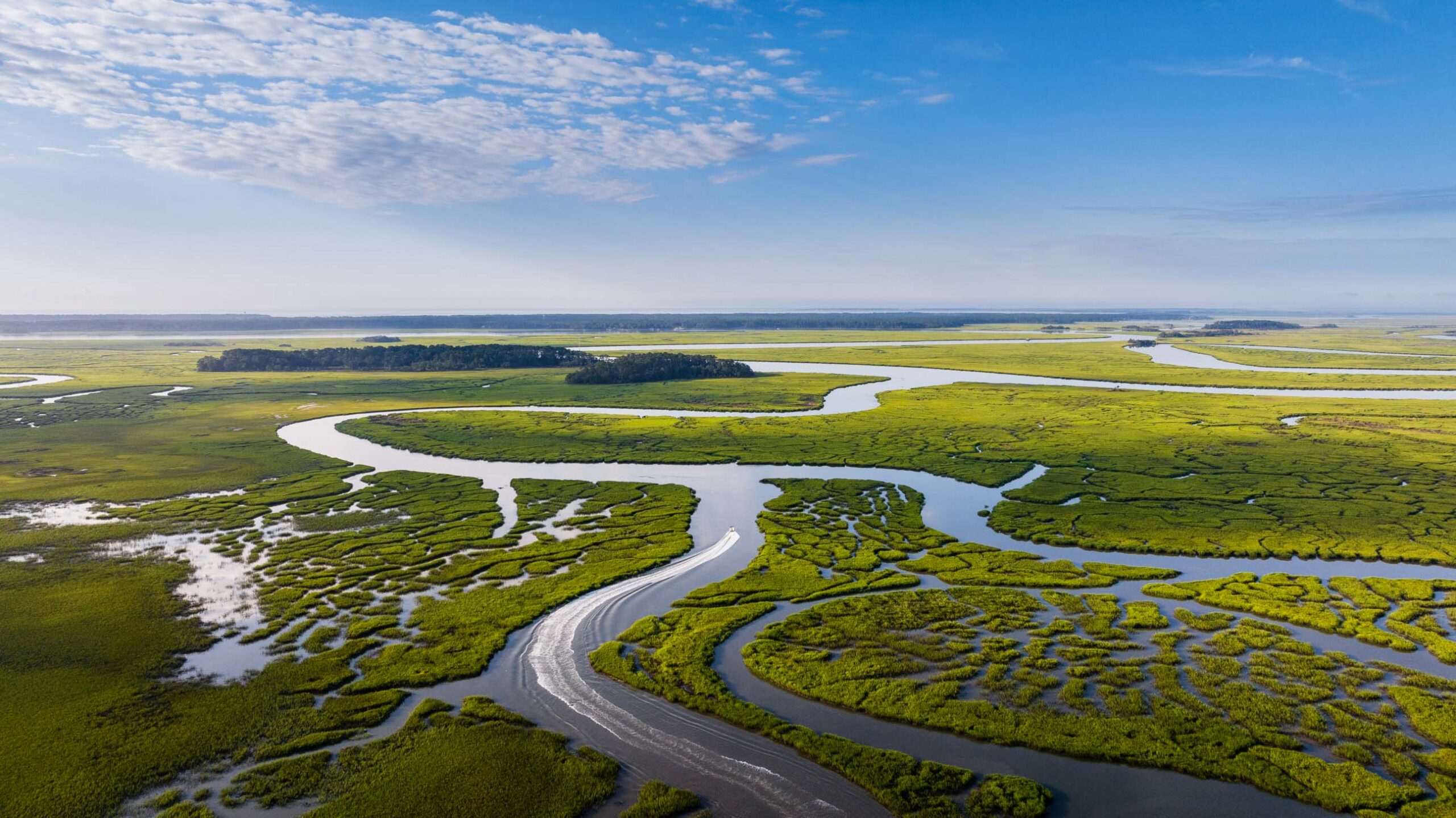
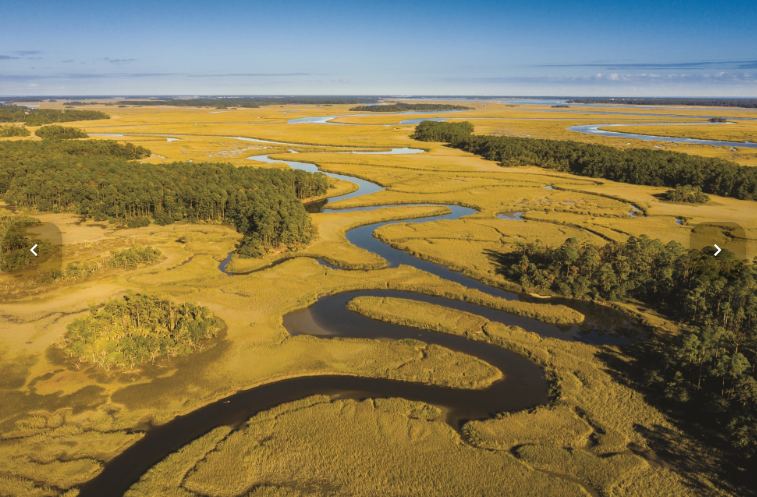
We wonder why the stars were made or just happen because they seem too beautiful to have been created by luck, yet scattered in a way that defies any kind of order. But then, when did order ever inspire anyone? There’s no order in the May River’s gentle curves, or in the spiraling boughs of a live oak. But there is beauty.
As Jim Mosely famously said of the story he started telling at Palmetto Bluff twenty years ago, “Perfect is not real. Perfect is not interesting. We wanted real. Imperfect. Authentic.”